Page loaded successfully. Showing biography for Allessandro Volpe.
Allessandro Volpe BIOGRAPHY
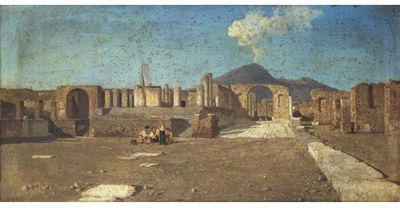
1820 Rome, Italy - 1887 Rome, Italy. Known for: Painting.
Alessandro La Volpe (Lucera, February 27, 1820 - Rome, August 2, 1887) was an Italian painter and teacher, an exponent of the Posillipo School. Son of Nicola, painter, Alessandro La Volpe was a pupil... Read full biography
Alessandro La Volpe (Lucera, February 27, 1820 - Rome, August 2, 1887) was an Italian painter and teacher, an exponent of the Posillipo School. Son of Nicola, painter, Alessandro La Volpe was a pupil of Gabriele Smargiassi and Salvatore Fergola at the Academy of Fine Arts in Naples and became a... Read full biography
Alessandro La Volpe (Lucera, February 27, 1820 - Rome, August 2, 1887) was an Italian painter and teacher, an exponent of the Posillipo School. Son of Nicola, painter, Alessandro La Volpe was a pupil of Gabriele Smargiassi and Salvatore Fergola at the Academy of Fine Arts in Naples and became a prominent exponent of the second generation of the Posillipo school. He painted, with great attention to detail, large landscapes: the Gulf of Naples seen from Posillipo, views of the Amalfi coast,... Read full biography
Alessandro La Volpe (Lucera, February 27, 1820 - Rome, August 2, 1887) was an Italian painter and teacher, an exponent of the Posillipo School. Son of Nicola, painter, Alessandro La Volpe was a pupil of Gabriele Smargiassi and Salvatore Fergola at the Academy of Fine Arts in Naples and became a prominent exponent of the second generation of the Posillipo school. He painted, with great attention to detail, large landscapes: the Gulf of Naples seen from Posillipo, views of the Amalfi coast, Ischia Capri Nisida Paestum and Pompeii, hilly landscapes and small ports with fishing boats. He was particularly influenced by the "rosy manner" of Gabriele Smargiassi and Filippo Palizzi. He made his debut at the Bourbon exhibition of 1848, with Temples... Read full biography
Alessandro La Volpe (Lucera, February 27, 1820 - Rome, August 2, 1887) was an Italian painter and teacher, an exponent of the Posillipo School. Son of Nicola, painter, Alessandro La Volpe was a pupil of Gabriele Smargiassi and Salvatore Fergola at the Academy of Fine Arts in Naples and became a prominent exponent of the second generation of the Posillipo school. He painted, with great attention to detail, large landscapes: the Gulf of Naples seen from Posillipo, views of the Amalfi coast, Ischia Capri Nisida Paestum and Pompeii, hilly landscapes and small ports with fishing boats. He was particularly influenced by the "rosy manner" of Gabriele Smargiassi and Filippo Palizzi. He made his debut at the Bourbon exhibition of 1848, with Temples of Paestum and Grotta di Bone. He participated in annual exhibitions of the Promoter of Fine Arts of Naples, exhib... Read full biography
Artist Biography
Biography page for Allessandro Volpe ((1820 - 1887)), known for Painting. Showing 1 biographical entries and 0 sample artworks.
Allessandro Volpe - Artist Info
About Allessandro Volpe
Name variants
Alessandro La Volpe
Biography from the Archives of askART
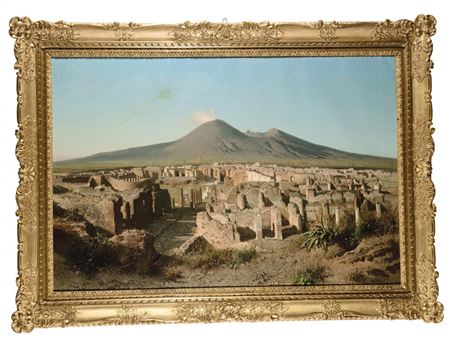 Alessandro La Volpe (Lucera, February 27, 1820 - Rome, August 2, 1887) was an Italian painter and teacher, an exponent of the Posillipo School.
Son of Nicola, painter, Alessandro La Volpe was a pupil of Gabriele Smargiassi and Salvatore Fergola at the Academy of Fine Arts in Naples and became a prominent exponent of the second generation of the Posillipo school.
He painted, with great attention to detail, large landscapes: the Gulf of Naples seen from Posillipo, views of the Amalfi coast, Ischia Capri Nisida Paestum and Pompeii, hilly landscapes and small ports with fishing boats. He was particularly influenced by the "rosy manner" of Gabriele Smargiassi and Filippo Palizzi.
He made his debut at the Bourbon exhibition of 1848, with Temples of Paestum and Grotta di Bone. He participated in annual exhibitions of the Promoter of Fine Arts of Naples, exhibiting in 1863 Bagno, a Landscape and Castello di Staggia; in 1864 Temple of Humbos in Upper Egypt and Marina di Paestum; in 1866 Panorama of Pompeii, canvas awarded with a gold medal and then exhibited in Paris in 1867.
He was elected honorary professor of the Academy of Fine Arts in Naples in 1870. He then moved to Rome and opened a studio in via Margutta. In 1880 he exhibited Naples from Frisio at the LI exhibition of the Society of amateurs and lovers of Rome.
In 1851 he was in the exhibition of Duke Maximilian of Leuchtenberg in Sicily and Egypt. From the expedition he returned with studies taken en plein air, in which he demonstrated his ability to grasp the effects of light.
In 1854, in Florence, he met Serafino De Tivoli who introduced him to the group of painters of the Staggia School, which had taken its name from the place where they met, to paint live, outdoors.
Works in museumsA rock: Rome, National Gallery of Modern and Contemporary Art, Rome
Ruins of the Greek theater of Taormina, 1864, National Museum of
Capodimonte, Naples: View of the Persano wood with raft on the Sele river, Royal Palace, Naples
Marechiaro or Marina di Posillipo, 201x106 cm., Gallery of the Academy of fine arts, Naples
Ruins in Pompeii and House of Actaeon in Pompeii, Musée des beaux-arts, Mulhouse
Porta Taormina and Ischia Castle, Vincenzo Bindi Civic Art Gallery, Giulianova
Watercolors, San Martino Museum - Ferrara Dentice collection, Naples.
Source:
Wikipedia, 2020