Page loaded successfully. Showing biography for Antonio Maria Esquivel.
Antonio Maria Esquivel BIOGRAPHY
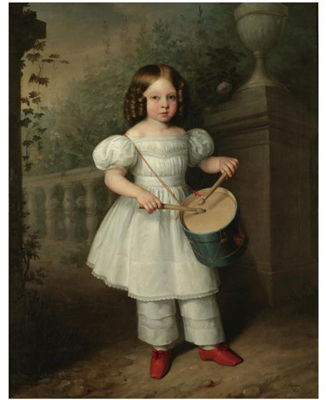
1806 Sevilla, Spain - 1857 Madrid, Spain. Known for: Romanticism, portraiture, history painting, religious themes.
Antonio María Esquivel was a Spanish painter from Seville who lived during the 19th century. He was the most representative and prolific painter of Sevillian Romanticism and one of the most... Read full biography
Antonio María Esquivel was a Spanish painter from Seville who lived during the 19th century. He was the most representative and prolific painter of Sevillian Romanticism and one of the most outstanding painters of his time in Spain. He was trained at the Seville Academy of Fine Arts and later... Read full biography
Antonio María Esquivel was a Spanish painter from Seville who lived during the 19th century. He was the most representative and prolific painter of Sevillian Romanticism and one of the most outstanding painters of his time in Spain. He was trained at the Seville Academy of Fine Arts and later became a member of the San Fernando Royal Academy. He was appointed chamber painter in 1843 and contributed to various publications. He was also an art critic and wrote on history painting and the German... Read full biography
Antonio María Esquivel was a Spanish painter from Seville who lived during the 19th century. He was the most representative and prolific painter of Sevillian Romanticism and one of the most outstanding painters of his time in Spain. He was trained at the Seville Academy of Fine Arts and later became a member of the San Fernando Royal Academy. He was appointed chamber painter in 1843 and contributed to various publications. He was also an art critic and wrote on history painting and the German Nazarenes. As a painter, he fully identified with Romanticism, which he expressed through the sentiment and aesthetic correctness of his work. His style, which is partly eclectic, is characterized by a great technical mastery that manages to... Read full biography
Antonio María Esquivel was a Spanish painter from Seville who lived during the 19th century. He was the most representative and prolific painter of Sevillian Romanticism and one of the most outstanding painters of his time in Spain. He was trained at the Seville Academy of Fine Arts and later became a member of the San Fernando Royal Academy. He was appointed chamber painter in 1843 and contributed to various publications. He was also an art critic and wrote on history painting and the German Nazarenes. As a painter, he fully identified with Romanticism, which he expressed through the sentiment and aesthetic correctness of his work. His style, which is partly eclectic, is characterized by a great technical mastery that manages to harmoniously balance the correctness of the drawing and the quality of the colors. He received many commissions for portraits in various formats, a... Read full biography
Artist Biography
Biography page for Antonio Maria Esquivel ((1806 - 1857)), known for Romanticism, portraiture, history painting, religious themes. Showing 1 biographical entries and 0 sample artworks.
Antonio Maria Esquivel - Artist Info
About Antonio Maria Esquivel
Name variants
Antonio Maria Esquivel Y Suarez De Urbina
Biography from Setdart
Antonio María Esquivel was a Spanish painter from Seville who lived during the 19th century. He was the most representative and prolific painter of Sevillian Romanticism and one of the most outstanding painters of his time in Spain. He was trained at the Seville Academy of Fine Arts and later became a member of the San Fernando Royal Academy. He was appointed chamber painter in 1843 and contributed to various publications. He was also an art critic and wrote on history painting and the German Nazarenes.
As a painter, he fully identified with Romanticism, which he expressed through the sentiment and aesthetic correctness of his work. His style, which is partly eclectic, is characterized by a great technical mastery that manages to harmoniously balance the correctness of the drawing and the quality of the colors. He received many commissions for portraits in various formats, and also produced several self-portraits.
He also executed group portraits and corporate portraits. With regard to religious themes, he was a follower of Murillo. His history paintings had a very personal, literary, and theatrical character, the result of the Romantic atmosphere in which he lived. He died in Madrid