Page loaded successfully. Showing biography for Carl Eldh.
Carl Eldh BIOGRAPHY
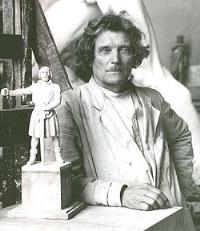
1873 Torshälla, Sweden - 1955 Stockholm, Sweden. Known for: Figurative sculpture, including public monuments, portrait busts, and architectural commissions.
In the first half of the 1900s, Carl Eldh became one of the busiest artists in Sweden. His public works are now spread throughout the country. Some of the most famous is Strindberg Monument in... Read full biography
In the first half of the 1900s, Carl Eldh became one of the busiest artists in Sweden. His public works are now spread throughout the country. Some of the most famous is Strindberg Monument in Tegnérlunden and Branting Monument at Railway Square, runners at the stadium and the sculptures around the... Read full biography
In the first half of the 1900s, Carl Eldh became one of the busiest artists in Sweden. His public works are now spread throughout the country. Some of the most famous is Strindberg Monument in Tegnérlunden and Branting Monument at Railway Square, runners at the stadium and the sculptures around the City Hall in Stockholm. Like many artists Eldh went to Paris in 1897. His production from the years in Paris is characterized by the elegant design language that marked the prevailing French ideal.... Read full biography
In the first half of the 1900s, Carl Eldh became one of the busiest artists in Sweden. His public works are now spread throughout the country. Some of the most famous is Strindberg Monument in Tegnérlunden and Branting Monument at Railway Square, runners at the stadium and the sculptures around the City Hall in Stockholm. Like many artists Eldh went to Paris in 1897. His production from the years in Paris is characterized by the elegant design language that marked the prevailing French ideal. He created a series of decorative works of the slender, naked women with titles like Ariadne and Daggkåpa. Alongside these he also created sculptures with a strong passion for social justice and portrayed the vulnerability of women in society's lower... Read full biography
In the first half of the 1900s, Carl Eldh became one of the busiest artists in Sweden. His public works are now spread throughout the country. Some of the most famous is Strindberg Monument in Tegnérlunden and Branting Monument at Railway Square, runners at the stadium and the sculptures around the City Hall in Stockholm. Like many artists Eldh went to Paris in 1897. His production from the years in Paris is characterized by the elegant design language that marked the prevailing French ideal. He created a series of decorative works of the slender, naked women with titles like Ariadne and Daggkåpa. Alongside these he also created sculptures with a strong passion for social justice and portrayed the vulnerability of women in society's lower strata. Eldh studied in Paris at the Académie Colarossi, and he was inspired by other sculptors... Read full biography
Artist Biography
Biography page for Carl Eldh ((1873 - 1955)), known for Figurative sculpture, including public monuments, portrait busts, and architectural commissions. Showing 2 biographical entries and 0 sample artworks.
Carl Eldh - Artist Info
About Carl Eldh
Biography from Stockholm Auktionsverk
In the first half of the 1900s, Carl Eldh became one of the busiest artists in Sweden. His public works are now spread throughout the country. Some of the most famous is Strindberg Monument in Tegnérlunden and Branting Monument at Railway Square, runners at the stadium and the sculptures around the City Hall in Stockholm. Like many artists Eldh went to Paris in 1897. His production from the years in Paris is characterized by the elegant design language that marked the prevailing French ideal.
He created a series of decorative works of the slender, naked women with titles like Ariadne and Daggkåpa. Alongside these he also created sculptures with a strong passion for social justice and portrayed the vulnerability of women in society's lower strata.
Eldh studied in Paris at the Académie Colarossi, and he was inspired by other sculptors who at the time worked in Paris, but perhaps most by the greatest of them all Auguste Rodin. He spoke about Paris and of a visit to Rodin's studio where he was well received and was given great encouragement. At the World Expo in 1900, his sculpture Innocence gained the honorable mention by the French State. Two years later he won the gold medal at the Salon with his two works Grieving Mother and Linnea.
Carl Eldh returned to Sweden in 1904 and Paris time became a starting point for his future artistic career.Biography from Bukowski Stockholm
Carl Eldh was born in 1873 in Torshälla and became one of Sweden’s leading figurative sculptors. Eldh began his career as an ornamental carver, contributing to projects such as the renovation of Uppsala Cathedral, before travelling to Paris, where he spent several years studying drawing and sculpture under the influence of Auguste Rodin.
Carl Eldh returned to Stockholm and later commissioned architect Ragnar Östberg to design a combined residence and studio in Bellevue Park. Preserved in its original state after his death, the studio reflects Eldh’s working environment and remains a significant site for understanding his practice.
Carl Eldh created numerous public sculptures, many of which stand in parks and squares throughout Stockholm, and he is represented with smaller works in several Swedish museum collections. Carl Eldh’s studio museum is open to the public.