Page loaded successfully. Showing biography for Charles Prendergast.
Charles Prendergast BIOGRAPHY
1863 St. John's, Newfoundland - 1948 Norwalk, Connecticut. Known for: Figure, etcher, sculptor, craftsman.
Charles E. Prendergast (1863-1948), born in St. John's, Newfoundland, was the younger brother of the better known artist, Maurice Prendergast (1858-1924; member of "The Eight" with Robert Henri,... Read full biography
Charles E. Prendergast (1863-1948), born in St. John's, Newfoundland, was the younger brother of the better known artist, Maurice Prendergast (1858-1924; member of "The Eight" with Robert Henri, Everett Shinn, et al). The brothers lived and worked together in Massachusetts until they moved to New... Read full biography
Charles E. Prendergast (1863-1948), born in St. John's, Newfoundland, was the younger brother of the better known artist, Maurice Prendergast (1858-1924; member of "The Eight" with Robert Henri, Everett Shinn, et al). The brothers lived and worked together in Massachusetts until they moved to New York City in 1914. Charles Prendergast was both a craftsman and artist, who originally made his reputation as a frame and furniture maker in an Arts and Crafts style. Because of the financial success... Read full biography
Charles E. Prendergast (1863-1948), born in St. John's, Newfoundland, was the younger brother of the better known artist, Maurice Prendergast (1858-1924; member of "The Eight" with Robert Henri, Everett Shinn, et al). The brothers lived and worked together in Massachusetts until they moved to New York City in 1914. Charles Prendergast was both a craftsman and artist, who originally made his reputation as a frame and furniture maker in an Arts and Crafts style. Because of the financial success of the craft aspect of his work, Charles was often able to help his older brother monetarily. He made frames inspired by Renaissance designs that were simply carved and finished with gilt and raw gesso. By 1912 he was painting gesso panels as well as... Read full biography
Charles E. Prendergast (1863-1948), born in St. John's, Newfoundland, was the younger brother of the better known artist, Maurice Prendergast (1858-1924; member of "The Eight" with Robert Henri, Everett Shinn, et al). The brothers lived and worked together in Massachusetts until they moved to New York City in 1914. Charles Prendergast was both a craftsman and artist, who originally made his reputation as a frame and furniture maker in an Arts and Crafts style. Because of the financial success of the craft aspect of his work, Charles was often able to help his older brother monetarily. He made frames inspired by Renaissance designs that were simply carved and finished with gilt and raw gesso. By 1912 he was painting gesso panels as well as carved and decorated chests and screens in exotic motifs. Well-known collectors like Albert C. Barnes (the Barnes Foundation in Merion,... Read full biography
Artist Biography
Biography page for Charles Prendergast ((1863 - 1948)), known for Figure, etcher, sculptor, craftsman. Showing 1 biographical entries and 0 sample artworks.
Charles Prendergast - Artist Info
About Charles Prendergast
Biography from the Archives of askART
 Charles E. Prendergast (1863-1948), born in St. John's, Newfoundland, was the younger brother of the better known artist, Maurice Prendergast (1858-1924; member of "The Eight" with Robert Henri, Everett Shinn, et al). The brothers lived and worked together in Massachusetts until they moved to New York City in 1914.
Charles Prendergast was both a craftsman and artist, who originally made his reputation as a frame and furniture maker in an Arts and Crafts style. Because of the financial success of the craft aspect of his work, Charles was often able to help his older brother monetarily.
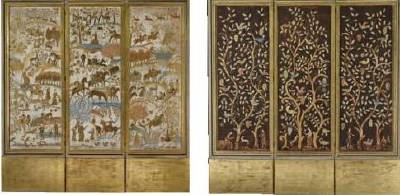
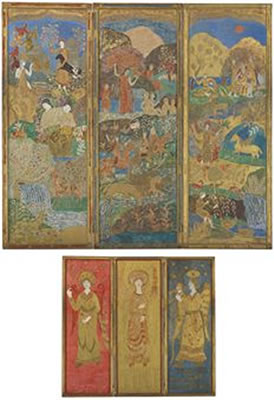
He made frames inspired by Renaissance designs that were simply carved and finished with gilt and raw gesso. By 1912 he was painting gesso panels as well as carved and decorated chests and screens in exotic motifs. Well-known collectors like Albert C. Barnes (the Barnes Foundation in Merion, Pennsylvania), John Quinn and Lillie P. Bliss (major benefactor of the Museum of Modern Art) snapped up these panels.
Prendergast's work displays Near Eastern and oriental influences in style and subject, much of it drawn from the Chinese and Persian collections in Boston's Museum of Fine Arts that he so admired. The stylized posture of the figure in the decorative panel, "The Dance," c. 1916, clearly reveals these influences and perhaps that of India, as well as harkening back to Art Nouveau. A figure dances in a landscape with gold leaf deer in the background. Deer were a favorite subject of the artist. They appeared frequently in the early work.
In 1925, after the death of Maurice, Charles traveled to France and married Eugénie van Kemmel (1895-1994) upon their return to America. They lived in Westport, Connecticut until his death in 1948.
In the 1920s, Charles developed his own paintings, which were closely related, in their modernist-impressionistic, mosaic-like style, to that of Maurice. His beach scenes, circuses and polo-players are painted in a "naïve" style that both hides and reveals his long association with modern art. His painting, "Circus," 1940, tempera and gold leaf on incised, gessoed masonite, from the collection of the Williams College Museum of Art, is a well designed, two-dimensional, somewhat childlike depiction of clowns, bareback riders and performing elephants in the center ring. The style is simpler, without the broken color of his own earlier paintings and those of Maurice.
The Terra Museum of American Art in Chicago has in its collection a wooden chest by Charles Prendergast, an example of his work as an artisan. Made in 1920, the chest is approximately five feet long, two feet high and a foot and a half wide with a frieze of polychromed and gold-leafed figures and other decorative shapes incised on a gessoed panel around the sides.
Charles Prendergast exhibited at the Kraushaar Galleries in New York City, October 15-November 2, 1935. The Williams College Museum of Art in Williamstown, Massachusetts has 400 works by both Prendergasts, the largest holdings of any museum, including watercolors, oils and sketchbooks by Maurice and frames created by Charles.
The latter's widow donated these works, plus archival material relating to the careers of the brothers, that has made the Williams College Museum a center for scholarship on the Prendergasts and their contemporaries.
In the last two years of his life, 1946 and 1947, Charles Prendergast painted a series of small watercolors of blacks in Winter Park, Florida. One depicts a woman and child hanging laundry under palm trees that reach to the sun.
Perry Rathbone writes: "...(Prendergast's) watercolors, like the panels and screens, depend upon his unerring sense of two-dimensional pattern, they are alive with decorative color and they are dictated by a similar naiveté. Many of them reflect (his) travels in Europe. In all of them, as in his entire uvre, Charles expressed that which one inevitably associates with the Prendergasts, the exciting beauty of the visual world and the joy of living."*
Sources:
http://www.williams.edu/WCMA/collections/american/prendergast/index.html
http://www.tfaoi.com/aa/1aa/1aa651.htm
http://www.adelsongalleries.com/AmerImp/Pages/prenclot.htm
http://www.adelsongalleries.com/AmerImp/Pages/prendanc.htm
.