Page loaded successfully. Showing biography for Dimitri Plavinsky.
Dimitri Plavinsky BIOGRAPHY
1937 Moscow, Russia - 2012. Known for: Structural symbolism, painting, graphics, installation art.
Dmitri Plavinsky was born in Moscow in 1937. In 1956, he graduated from the theater department of the 1905 Institute of Art. In the sixties, Plavinsky became one of the founders and leaders of the... Read full biography
Dmitri Plavinsky was born in Moscow in 1937. In 1956, he graduated from the theater department of the 1905 Institute of Art. In the sixties, Plavinsky became one of the founders and leaders of the artistic nonconformist movement in Russia. Since 1991, he has lived and worked in New York. His art... Read full biography
Dmitri Plavinsky was born in Moscow in 1937. In 1956, he graduated from the theater department of the 1905 Institute of Art. In the sixties, Plavinsky became one of the founders and leaders of the artistic nonconformist movement in Russia. Since 1991, he has lived and worked in New York. His art works are in the collections of several American museums, including the Metropolitan Museum of Art and the Museum of Modern Art in New York, as well as major museums in Russia and Europe. The book,... Read full biography
Dmitri Plavinsky was born in Moscow in 1937. In 1956, he graduated from the theater department of the 1905 Institute of Art. In the sixties, Plavinsky became one of the founders and leaders of the artistic nonconformist movement in Russia. Since 1991, he has lived and worked in New York. His art works are in the collections of several American museums, including the Metropolitan Museum of Art and the Museum of Modern Art in New York, as well as major museums in Russia and Europe. The book, Dimitri Plavinsky, by Johne E. Bowit, is the first comprehensive monograph of the art of Dmitri Plavinsky--paintings, graphic art, objects, and installations from 1958 to 2000. It consists of three sections. The first section is made up of essays by John... Read full biography
Dmitri Plavinsky was born in Moscow in 1937. In 1956, he graduated from the theater department of the 1905 Institute of Art. In the sixties, Plavinsky became one of the founders and leaders of the artistic nonconformist movement in Russia. Since 1991, he has lived and worked in New York. His art works are in the collections of several American museums, including the Metropolitan Museum of Art and the Museum of Modern Art in New York, as well as major museums in Russia and Europe. The book, Dimitri Plavinsky, by Johne E. Bowit, is the first comprehensive monograph of the art of Dmitri Plavinsky--paintings, graphic art, objects, and installations from 1958 to 2000. It consists of three sections. The first section is made up of essays by John E. Bowlt, who introduces the artist; Alexander Jakimovich, who positions Plavinsky's art within th... Read full biography
Artist Biography
Biography page for Dimitri Plavinsky ((1937 - 2012)), known for Structural symbolism, painting, graphics, installation art. Showing 2 biographical entries and 0 sample artworks.
Dimitri Plavinsky - Artist Info
About Dimitri Plavinsky
Name variants
Dmitry Plavinsky
Biography from the Archives of askART
 Dmitri Plavinsky was born in Moscow in 1937. In 1956, he graduated from the theater department of the 1905 Institute of Art. In the sixties, Plavinsky became one of the founders and leaders of the artistic nonconformist movement in Russia.
Since 1991, he has lived and worked in New York. His art works are in the collections of several American museums, including the Metropolitan Museum of Art and the Museum of Modern Art in New York, as well as major museums in Russia and Europe.
The book, Dimitri Plavinsky, by Johne E. Bowit, is the first comprehensive monograph of the art of Dmitri Plavinsky--paintings, graphic art, objects, and installations from 1958 to 2000. It consists of three sections. The first section is made up of essays by John E. Bowlt, who introduces the artist; Alexander Jakimovich, who positions Plavinsky's art within the historical and philosophical context of contemporary art; and Elizaveta Plavinskaya-Mikhailova, who offers an in-depth discussion of the themes and techniques in Plavinsky's graphic art. The second section is a catalog of Plavinsky's work. In the third section, the artist presents his reflections on art, culture, and travels.
The catalog portion is divided into seven chapters, the last of which, "Abomination of Desolation," deals with the compulsory inculcation of atheism in the Soviet Union and, as a consequence of that governmental policy, the breakdown of moral principles and the way of life of the peasantry, as well as the destruction of the Russian village.
The artistic themes range from the temporal space marked by the origins on earth of the prototypes of fish, reptiles, and other prehistoric animals to the genesis of primeval cultures, ancient and early Christian states, and the computer era of the twenty-first century, with the City of New York as its symbol.
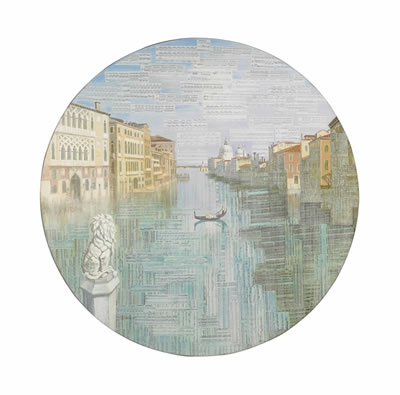
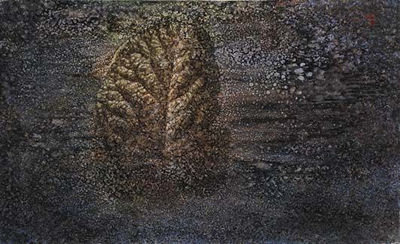
Plavinsky defines his artistic style as one of Structural Symbolism, in which the unified image of the world is broken down into sequences of symbols submerged in the layers of time: past, present, and future. Different directions of the symbols, incongruous speeds in the temporal space, layers shining one through another--all of this creates an X-ray image of Time Unified.
Source:
Product Description, www.Amazon.com
http://www.amazon.com/Dmitri-Plavinsky-Johne-E-Bowlt/dp/0847823156Biography from Sovcom
Dimitri Plavinsky studied at the Moscow Regional Art School in memory of 1905 and became one of the organizers of the nonconformist art movement in the late 1950s. He participated in various exhibitions, including the first exhibition of unofficial art in the Beekeeping Pavilion at VDNKh in 1975. Plavinsky's works are housed in prestigious institutions such as the State Tretyakov Gallery and the Museum of Contemporary Art of Russia, as well as in collections in Russia and abroad. He has been living and working in New York since 1991.