Page loaded successfully. Showing biography for Dino Rosin.
Dino Rosin BIOGRAPHY
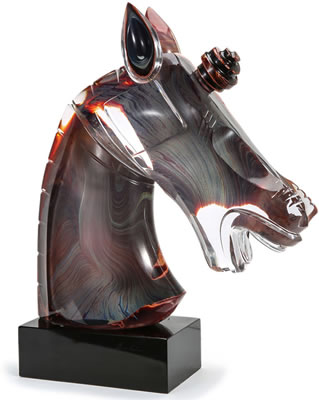
Born 1948 Venice, Italy. Known for: Hand-blown glass, abstract sculpture, torsos, figurative.
Dino Rosin was born in Venice May 30, 1948. His family moved to the glass-making island of Murano when he was two months old. At the age of twelve Dino Rosin left school and began work as an... Read full biography
Dino Rosin was born in Venice May 30, 1948. His family moved to the glass-making island of Murano when he was two months old. At the age of twelve Dino Rosin left school and began work as an apprentice at the Barovier and Toso glass works where he remained until he joined his brothers, Loredano and... Read full biography
Dino Rosin was born in Venice May 30, 1948. His family moved to the glass-making island of Murano when he was two months old. At the age of twelve Dino Rosin left school and began work as an apprentice at the Barovier and Toso glass works where he remained until he joined his brothers, Loredano and Mirko, at their factory, Artvet, in 1963. Dino Rosin continued at Artvet until 1975 when he moved to Loredano Rosin's newly established studio as his assistant. There, Dino Rosin collaborated with... Read full biography
Dino Rosin was born in Venice May 30, 1948. His family moved to the glass-making island of Murano when he was two months old. At the age of twelve Dino Rosin left school and began work as an apprentice at the Barovier and Toso glass works where he remained until he joined his brothers, Loredano and Mirko, at their factory, Artvet, in 1963. Dino Rosin continued at Artvet until 1975 when he moved to Loredano Rosin's newly established studio as his assistant. There, Dino Rosin collaborated with his brother for more than 25 years. Dino Rosin was Loredano Rosin's right hand in the "piazza" and a master in his own right in cold work. In 1988 Dino Rosin was invited to Pilchuck Glass School* in Washington to teach solid free dash hand glass... Read full biography
Dino Rosin was born in Venice May 30, 1948. His family moved to the glass-making island of Murano when he was two months old. At the age of twelve Dino Rosin left school and began work as an apprentice at the Barovier and Toso glass works where he remained until he joined his brothers, Loredano and Mirko, at their factory, Artvet, in 1963. Dino Rosin continued at Artvet until 1975 when he moved to Loredano Rosin's newly established studio as his assistant. There, Dino Rosin collaborated with his brother for more than 25 years. Dino Rosin was Loredano Rosin's right hand in the "piazza" and a master in his own right in cold work. In 1988 Dino Rosin was invited to Pilchuck Glass School* in Washington to teach solid free dash hand glass sculpture with Loredano and the American glass artist, William Morris. Examples of his skill at cutting and finishing large glass sculptures ha... Read full biography
Artist Biography
Biography page for Dino Rosin ((Born 1948)), known for Hand-blown glass, abstract sculpture, torsos, figurative. Showing 2 biographical entries and 0 sample artworks.
Dino Rosin - Artist Info
About Dino Rosin
Biography from the Archives of askART
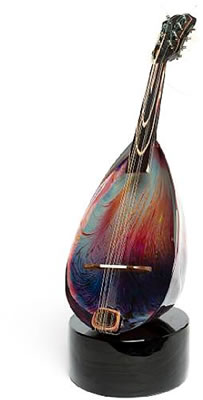 Dino Rosin was born in Venice May 30, 1948. His family moved to the glass-making island of Murano when he was two months old. At the age of twelve Dino Rosin left school and began work as an apprentice at the Barovier and Toso glass works where he remained until he joined his brothers, Loredano and Mirko, at their factory, Artvet, in 1963.
Dino Rosin continued at Artvet until 1975 when he moved to Loredano Rosin's newly established studio as his assistant. There, Dino Rosin collaborated with his brother for more than 25 years. Dino Rosin was Loredano Rosin's right hand in the "piazza" and a master in his own right in cold work.
In 1988 Dino Rosin was invited to Pilchuck Glass School* in Washington to teach solid free dash hand glass sculpture with Loredano and the American glass artist, William Morris. Examples of his skill at cutting and finishing large glass sculptures have been exhibited throughout the world. Dino Rosin's work is his own name and has also been seen at the Museo dell'arte vetraria in Murano Italy. Dino Rosin is now carrying on in the tradition of his deceased brother Loredano. Dino Rosin's skillful use of "calcedonia" glass is unique and makes his pieces recognizable.
CALCEDONIA GLASS
Calcedonia is one of the oldest and rarest types of glass. Calcedonia was first developed on Murano during the mid-fifteenth century. For 500 years, the mystery of creating Calcedonia has fascinated the world. Artifacts made of Calcedonia glass are among the most treasured holdings of many famous museums. The uncertainties and difficulties of Calcedonia glass production were resolved only by the masters of Murano and lost with the fall of the Venetian Republic. The secret of the production of Calcedonia was finally rediscovered by Lorenza Radi in 1856, but lost again by the turn of the 20th century.
In 1977, the master Loredano Rosin, working with his brother Dino Rosin, again achieved the miracle of Calcedonia, and used the ancient and historical glass to create hand made sculpture of modern and romantic design. The Striations of color are achieved by adding about 4 1/2 pounds (1 Kilo) of silver nitrate to each batch of Calcedonia glass. The exact shades and degree of striation can not be controlled and creates the un-predicable beauty of each piece.
Source:
"Dino Rosin", Exposures, www.exposuresfineart.com/artist/Dino_Rosin/biography/
* For references for these terms and others, see AskART Glossary http://www.askart.com/AskART/lists/Art_Definition.aspxBiography from SebastianCharles Auctions
Dino Rosin, born in 1938 in Italy, was a renowned glass artist known for his mastery of the ancient Venetian technique of lampworking. He created exquisite and intricate glass sculptures that captured the essence of nature and fluidity through vibrant colors and intricate forms. Rosin's work combined traditional craftsmanship with a contemporary artistic vision, making him a celebrated artist in the world of glass art.