Page loaded successfully. Showing biography for Doitsu Sakai.
Doitsu Sakai BIOGRAPHY
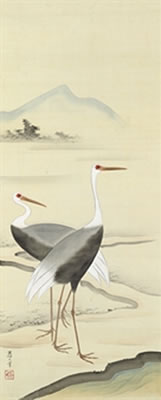
1845 - 1913. Known for: Ink and color botanical scroll images.
Sakai Doitsu was the son of Yamamoto Sodo (act. first half of the 19th cent.), who was a direct student of Sakai Hoitsu (1761-1828). Doitsu was adopted by Sakai Ohitsu (1826-1862), thereby acquiring... Read full biography
Sakai Doitsu was the son of Yamamoto Sodo (act. first half of the 19th cent.), who was a direct student of Sakai Hoitsu (1761-1828). Doitsu was adopted by Sakai Ohitsu (1826-1862), thereby acquiring the Sakai family name, and became the fourth generation master of Ugean, the painting studio... Read full biography
Sakai Doitsu was the son of Yamamoto Sodo (act. first half of the 19th cent.), who was a direct student of Sakai Hoitsu (1761-1828). Doitsu was adopted by Sakai Ohitsu (1826-1862), thereby acquiring the Sakai family name, and became the fourth generation master of Ugean, the painting studio established by Hoitsu in Negishi, Edo. One of Doitsu most well-known paintings currently in the collection of the Tokyo National Museum is a two-fold screen based on a work by Hoitsu depicting flowering... Read full biography
Sakai Doitsu was the son of Yamamoto Sodo (act. first half of the 19th cent.), who was a direct student of Sakai Hoitsu (1761-1828). Doitsu was adopted by Sakai Ohitsu (1826-1862), thereby acquiring the Sakai family name, and became the fourth generation master of Ugean, the painting studio established by Hoitsu in Negishi, Edo. One of Doitsu most well-known paintings currently in the collection of the Tokyo National Museum is a two-fold screen based on a work by Hoitsu depicting flowering plants of summer and autumn, which was included in the World's Columbian Exposition in Chicago in 1893. Source:. "Doitsu Sakai," Scholten-Japanese Art, Web, April 2017... Read full biography
Sakai Doitsu was the son of Yamamoto Sodo (act. first half of the 19th cent.), who was a direct student of Sakai Hoitsu (1761-1828). Doitsu was adopted by Sakai Ohitsu (1826-1862), thereby acquiring the Sakai family name, and became the fourth generation master of Ugean, the painting studio established by Hoitsu in Negishi, Edo. One of Doitsu most well-known paintings currently in the collection of the Tokyo National Museum is a two-fold screen based on a work by Hoitsu depicting flowering plants of summer and autumn, which was included in the World's Columbian Exposition in Chicago in 1893. Source:. "Doitsu Sakai," Scholten-Japanese Art, Web, April 2017... Read full biography
Artist Biography
Biography page for Doitsu Sakai ((1845 - 1913)), known for Ink and color botanical scroll images. Showing 1 biographical entries and 0 sample artworks.
Doitsu Sakai - Artist Info
About Doitsu Sakai
Biography
Sakai Doitsu was the son of Yamamoto Sodo (act. first half of the 19th cent.), who was a direct student of Sakai Hoitsu (1761-1828). Doitsu was adopted by Sakai Ohitsu (1826-1862), thereby acquiring the Sakai family name, and became the fourth generation master of Ugean, the painting studio established by Hoitsu in Negishi, Edo.
One of Doitsu most well-known paintings currently in the collection of the Tokyo National Museum is a two-fold screen based on a work by Hoitsu depicting flowering plants of summer and autumn, which was included in the World's Columbian Exposition in Chicago in 1893.
Source:
"Doitsu Sakai," Scholten-Japanese Art, Web, April 2017...But wait, there's more...
Displaying 703 of 994 characters.
Subscriber Members, please Sign In for full artist biographies and all services.
For non-paying users, good news! Full text bios for all artists are available every Friday.
If you are not currently a member, please See Details about membership.