Page loaded successfully. Showing biography for Emil Orlik.
Emil Orlik BIOGRAPHY
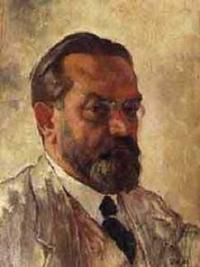
1870 Prague, Czech Republic - 1932 Berlin, Germany. Known for: Portrait, figure and still-life paintings, woodblocks, lithographs.
Emil Orlik's prints and techniques went through extensive changes as he traveled internationally, learning new methods wherever he went. Known for his portraits of a wide variety of well-known... Read full biography
Emil Orlik's prints and techniques went through extensive changes as he traveled internationally, learning new methods wherever he went. Known for his portraits of a wide variety of well-known individuals ranging from Josephine Baker to Albert Einstein to Marc Chagall, Orlik was an artistic... Read full biography
Emil Orlik's prints and techniques went through extensive changes as he traveled internationally, learning new methods wherever he went. Known for his portraits of a wide variety of well-known individuals ranging from Josephine Baker to Albert Einstein to Marc Chagall, Orlik was an artistic chameleon, never sticking to one genre or style but studying many. His prints catalogue his travels, creating a kind of pictorial diary of the years 1892 - 1900 in particular. Many of his works-often done in... Read full biography
Emil Orlik's prints and techniques went through extensive changes as he traveled internationally, learning new methods wherever he went. Known for his portraits of a wide variety of well-known individuals ranging from Josephine Baker to Albert Einstein to Marc Chagall, Orlik was an artistic chameleon, never sticking to one genre or style but studying many. His prints catalogue his travels, creating a kind of pictorial diary of the years 1892 - 1900 in particular. Many of his works-often done in color- appeared in the European periodical PAN, along with Toulouse-Lautrec, Kathe Kollwitz, and Max Klinger. In 1900 he traveled to Japan and spent a year studying Japanese woodblock cutting and printing. Japanese culture fascinated him, and he... Read full biography
Emil Orlik's prints and techniques went through extensive changes as he traveled internationally, learning new methods wherever he went. Known for his portraits of a wide variety of well-known individuals ranging from Josephine Baker to Albert Einstein to Marc Chagall, Orlik was an artistic chameleon, never sticking to one genre or style but studying many. His prints catalogue his travels, creating a kind of pictorial diary of the years 1892 - 1900 in particular. Many of his works-often done in color- appeared in the European periodical PAN, along with Toulouse-Lautrec, Kathe Kollwitz, and Max Klinger. In 1900 he traveled to Japan and spent a year studying Japanese woodblock cutting and printing. Japanese culture fascinated him, and he began learning the language before he'd arrived, and his studies of Japanese culture led him to the art of Utamaro and Hor... Read full biography
Artist Biography
Biography page for Emil Orlik ((1870 - 1932)), known for Portrait, figure and still-life paintings, woodblocks, lithographs. Showing 1 biographical entries and 0 sample artworks.
Emil Orlik - Artist Info
About Emil Orlik
Biography from the Archives of askART
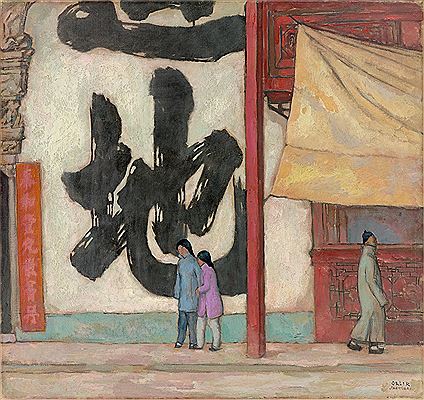 Emil Orlik's prints and techniques went through extensive changes as he traveled internationally, learning new methods wherever he went. Known for his portraits of a wide variety of well-known individuals ranging from Josephine Baker to Albert Einstein to Marc Chagall, Orlik was an artistic chameleon, never sticking to one genre or style but studying many.
His prints catalogue his travels, creating a kind of pictorial diary of the years 1892 - 1900 in particular. Many of his works-often done in color- appeared in the European periodical PAN, along with Toulouse-Lautrec, Kathe Kollwitz, and Max Klinger. In 1900 he traveled to Japan and spent a year studying Japanese woodblock cutting and printing. Japanese culture fascinated him, and he began learning the language before he'd arrived, and his studies of Japanese culture led him to the art of Utamaro and Horoshige. Within four months of his arrival he was proficient enough to converse with the artisans whose work he admired and under whom he studied.
His success in the study of the Japanese arts inspired him, and he continued his traveling in order to further his personal education of both culture and art. His travels took him to North Africa and the Far East. He never limited himself to popular subject matter; instead, he studied any scene that inspired him, from major events or everyday life. Orlik made 14 lithographs of the trial of Arthur Schnitzler and his fellow actors' re-inactment of the banned play, Aus dem Reigin, for which Orlik was a defense witness. After the trial, Orlik began working for the theater as a designer of costumes, stage sets and posters.
He was also commissioned to design color posters for the Best-Litovsk Peace Conference at which Russia and Germany ended their conflict. He produced 72 lithographs, including a number of Leon Trotsky. Around this time he also began his study of photography, and by the mid-1920's was photographing celebrities such as Marlene Dietrich and Eintstein.
Orlik died of a heart attack in 1932. His brother Hugo was willed the estate, and with it the numerous works of art Orlik had collected throughout the years. Hugo Orlik and his family perished in WWII at the hands of the Nazi's, and the only survivor was an aunt who regained what little was left of Emil's effects. To this day Orlik work is still exhibited throughout the world.
Source:
Annex Galleries