Page loaded successfully. Showing biography for Giuseppe Cadenasso.
Giuseppe Cadenasso BIOGRAPHY
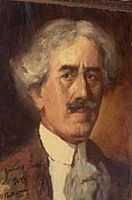
1858 Genoa, Italy - 1918 San Francisco, California. Known for: Landscape, still life and genre painting.
Born near Genoa, Italy on Jan. 2, 1858, Giuseppe Cadenasso, at age nine, sailed from Genoa to northern California where his uncle owned a vineyard. As a young man he moved to San Francisco where he... Read full biography
Born near Genoa, Italy on Jan. 2, 1858, Giuseppe Cadenasso, at age nine, sailed from Genoa to northern California where his uncle owned a vineyard. As a young man he moved to San Francisco where he worked as a barber, waiter, and sang Italian opera at the Tivoli Opera House. His raw talents as an... Read full biography
Born near Genoa, Italy on Jan. 2, 1858, Giuseppe Cadenasso, at age nine, sailed from Genoa to northern California where his uncle owned a vineyard. As a young man he moved to San Francisco where he worked as a barber, waiter, and sang Italian opera at the Tivoli Opera House. His raw talents as an artist were discovered by Jules Tavernier who took him to the studio of Joseph Harrington who gave him free art lessons. He later earned enough money for further study under Arthur Mathews at the Mark... Read full biography
Born near Genoa, Italy on Jan. 2, 1858, Giuseppe Cadenasso, at age nine, sailed from Genoa to northern California where his uncle owned a vineyard. As a young man he moved to San Francisco where he worked as a barber, waiter, and sang Italian opera at the Tivoli Opera House. His raw talents as an artist were discovered by Jules Tavernier who took him to the studio of Joseph Harrington who gave him free art lessons. He later earned enough money for further study under Arthur Mathews at the Mark Hopkins Institute. His studio-home on Russian Hill at 17 Macondray Lane was called "The Sign of the Eucalyptus." He later moved across the bay where he headed the art department at Mills College from 1902. Cadenasso painted scenes of the marshes and... Read full biography
Born near Genoa, Italy on Jan. 2, 1858, Giuseppe Cadenasso, at age nine, sailed from Genoa to northern California where his uncle owned a vineyard. As a young man he moved to San Francisco where he worked as a barber, waiter, and sang Italian opera at the Tivoli Opera House. His raw talents as an artist were discovered by Jules Tavernier who took him to the studio of Joseph Harrington who gave him free art lessons. He later earned enough money for further study under Arthur Mathews at the Mark Hopkins Institute. His studio-home on Russian Hill at 17 Macondray Lane was called "The Sign of the Eucalyptus." He later moved across the bay where he headed the art department at Mills College from 1902. Cadenasso painted scenes of the marshes and eucalypti of Berkeley, Oakland, and Alameda. Motivated by tone and harmony, he developed a. Source: Edan Hughes, "Artists in California, 1786-1940".... Read full biography
Artist Biography
Biography page for Giuseppe Cadenasso ((1858 - 1918)), known for Landscape, still life and genre painting. Showing 3 biographical entries and 0 sample artworks.
Giuseppe Cadenasso - Artist Info
About Giuseppe Cadenasso
Name variants
Guiseppe Cadensasso
Biography from the Archives of askART
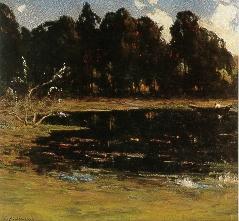 Born near Genoa, Italy on Jan. 2, 1858, Giuseppe Cadenasso, at age nine, sailed from Genoa to northern California where his uncle owned a vineyard. As a young man he moved to San Francisco where he worked as a barber, waiter, and sang Italian opera at the Tivoli Opera House.
His raw talents as an artist were discovered by Jules Tavernier who took him to the studio of Joseph Harrington who gave him free art lessons. He later earned enough money for further study under Arthur Mathews at the Mark Hopkins Institute.
His studio-home on Russian Hill at 17 Macondray Lane was called "The Sign of the Eucalyptus." He later moved across the bay where he headed the art department at Mills College from 1902.
Cadenasso painted scenes of the marshes and eucalypti of Berkeley, Oakland, and Alameda. Motivated by tone and harmony, he developed an original style and often used his fingers to spread the colors. His lyrical landscapes earned him the title of "the Corot of California."
Returning home from seeing his son off to the World War, Cadenasso was struck by an automobile at Powell and Post streets in San Francisco and died of injuries on Feb. 11, 1918. (Four days earlier on the same street, the artist Ben Raborg was killed when hit by a cable car.)
Exhibition:
Mechanics' Institute. (SF), 1884-97
San Francisco Art Association and Bohemian Club, 1894-1918
California Midwinter Int'l Expo, 1894
Alaska-Yukon Expo (Seattle), 1909 (gold medal);
Paul Elders (SF), 1905, 1912 (solos)
Calif. State Fair, 1890s (gold medal)
Kanst Gallery (LA), 1915
Panama Pacific International Exposition, 1915
Collections:
California Historical Society, St Mary's College (Moraga); Bohemian Club; Oakland Museum; Mills College (Oakland); Nevada State Capitol (portrait of Governor Jones); De Young Museum.Biography from the Archives of askART
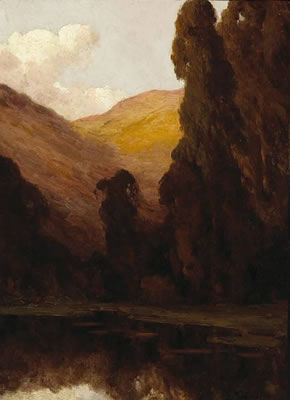 Known as the "Corot of California," Giuseppe Cadenasso did lyrical, tonalist style landscape painting, spreading the colors with his fingers rather than brushes. He was especially noted for depictions of eucalyptus trees and sunlit marshes, and underscoring his association with native trees was the fact that his first studio, on Russian Hill, was called "The Sign of the Eucalyptus."
Cadenasso was one of the most popular and respected San Francisco artists during the late 1890s and early 1900s. From 1903 to 1917, he was an art instructor at Mills College and during that time, had a studio in Oakland. In 1909, he was awarded the Gold Medal at the Alaska-Yukon Exposition in Seattle.
Unlike many of his peers, Cadenasso did not train in Europe but got his art education in California. There he was discovered by Jules Tavernier who took him to the studio of Joseph Harrington, who gave him free art lessons. He earned enough money to study at the Mark Hopkins Institute as a student of Arthur Mathews and Raymond Yelland. He was also much encouraged by fellow student, Granville Redmond.
He was born in Genoa, Italy in 1858, and at age nine, traveled from Genoa to California, where his uncle owned a vineyard. As a young man, he earned money for his art education from jobs in San Francisco as a waiter and barber and sang Italian opera at the Tivoli Opera House.
He died on February 11, 1918 at Powell and Post Streets, where he was struck by a car when returning from seeing his son off to World War I.
Source:
Edan Hughes, Artists in California, 1786-1940Biography from William A. Karges Fine Art
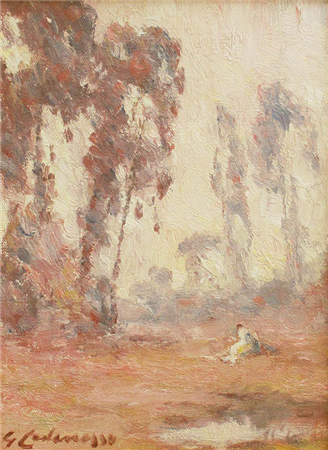 Giuseppe Cadenasso was born in Italy in 1858, and moved to Northern California at an early age. Shortly after, he moved to San Francisco where he worked at a number of jobs including a stint singing with the Tivoli Opera house.
Cadenasso's art caught the eye of established artist Jules Tavernier, who arranged for Cadenasso to receive free art lessons. Later earning enough money, Cadenasso studied under Arthur Mathews at the Mark Hopkins Institute. In 1902, he moved across the Bay to Oakland, where he was head of the Mills College Art Department.
Most inspired by the muted colors of the Tonalist painters, Cadenasso excelled at painting the atmospheric light of the Bay Area. Giuseppe Cadenasso died of injuries suffered after being hit by a car in San Francisco in 1918.