Page loaded successfully. Showing biography for Hans Berger.
Hans Berger BIOGRAPHY
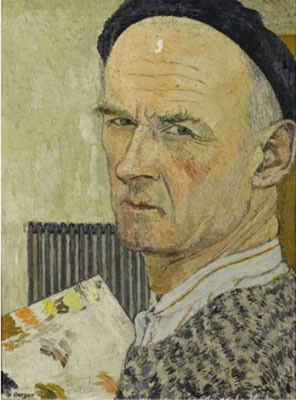
1882 Biel, Switzerland - 1977 Geneva, Switzerland. Known for: Modernist landscape, portrait and still-life painting.
Hans Berger was born in 1882. He was a Swiss painter, who studied in Geneva. In 1909, the artist received the 3rd place win in the Concours Diday in Geneva. A year later, a solo exhibition at the... Read full biography
Hans Berger was born in 1882. He was a Swiss painter, who studied in Geneva. In 1909, the artist received the 3rd place win in the Concours Diday in Geneva. A year later, a solo exhibition at the Musée Rath was dedicated to him. Ferdinand Hodler was counted as one of his buyers, among others.... Read full biography
Hans Berger was born in 1882. He was a Swiss painter, who studied in Geneva. In 1909, the artist received the 3rd place win in the Concours Diday in Geneva. A year later, a solo exhibition at the Musée Rath was dedicated to him. Ferdinand Hodler was counted as one of his buyers, among others.
Hans Berger was born in 1882. He was a Swiss painter, who studied in Geneva. In 1909, the artist received the 3rd place win in the Concours Diday in Geneva. A year later, a solo exhibition at the Musée Rath was dedicated to him. Ferdinand Hodler was counted as one of his buyers, among others.
Hans Berger was born in 1882. He was a Swiss painter, who studied in Geneva. In 1909, the artist received the 3rd place win in the Concours Diday in Geneva. A year later, a solo exhibition at the Musée Rath was dedicated to him. Ferdinand Hodler was counted as one of his buyers, among others.
Artist Biography
Biography page for Hans Berger ((1882 - 1977)), known for Modernist landscape, portrait and still-life painting. Showing 1 biographical entries and 0 sample artworks.
Hans Berger - Artist Info
About Hans Berger
Biography
Hans Berger was born in 1882. He was a Swiss painter, who studied in Geneva.
In 1909, the artist received the 3rd place win in the Concours Diday in Geneva. A year later, a solo exhibition at the Musée Rath was dedicated to him. Ferdinand Hodler was counted as one of his buyers, among others.