Page loaded successfully. Showing biography for Henry Roderick Newman.
Henry Roderick Newman BIOGRAPHY
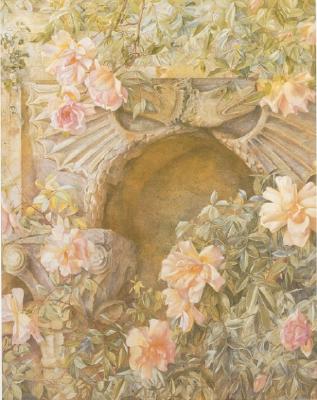
1833 or 1843 Easton, New York - 1917/18 Florence, Italy. Known for: Architectural-landscape, flower painting.
Born in Easton, New York, Henry Roderick Newman was a Pre-Raphaelite landscape and still-life painter, who moved with his family to New York City in 1843. Along with John Bunyon Bristol, Newman was... Read full biography
Born in Easton, New York, Henry Roderick Newman was a Pre-Raphaelite landscape and still-life painter, who moved with his family to New York City in 1843. Along with John Bunyon Bristol, Newman was one of the first significant American painters to paint in Florida. He was attracted to the area for... Read full biography
Born in Easton, New York, Henry Roderick Newman was a Pre-Raphaelite landscape and still-life painter, who moved with his family to New York City in 1843. Along with John Bunyon Bristol, Newman was one of the first significant American painters to paint in Florida. He was attracted to the area for health reasons, and painted in the area of St. Augustine from 1868 until the summer of 1869. Some of these paintings were later acquired by his friend and patron, John Ruskin, the English... Read full biography
Born in Easton, New York, Henry Roderick Newman was a Pre-Raphaelite landscape and still-life painter, who moved with his family to New York City in 1843. Along with John Bunyon Bristol, Newman was one of the first significant American painters to paint in Florida. He was attracted to the area for health reasons, and painted in the area of St. Augustine from 1868 until the summer of 1869. Some of these paintings were later acquired by his friend and patron, John Ruskin, the English aesthetician, with whom he traveled. Today he remains known primarily for his membership in the American Pre-Raphaelite Association for the Advancement of Truth in Art, but his most accomplished work was likely done between 1875 and 1900 during his expatriate... Read full biography
Born in Easton, New York, Henry Roderick Newman was a Pre-Raphaelite landscape and still-life painter, who moved with his family to New York City in 1843. Along with John Bunyon Bristol, Newman was one of the first significant American painters to paint in Florida. He was attracted to the area for health reasons, and painted in the area of St. Augustine from 1868 until the summer of 1869. Some of these paintings were later acquired by his friend and patron, John Ruskin, the English aesthetician, with whom he traveled. Today he remains known primarily for his membership in the American Pre-Raphaelite Association for the Advancement of Truth in Art, but his most accomplished work was likely done between 1875 and 1900 during his expatriate years. At that time, he established himself as one of the most important, some say the most important, American watercolorists working abr... Read full biography
Artist Biography
Biography page for Henry Roderick Newman ((1833 or 1843 - 1917/18)), known for Architectural-landscape, flower painting. Showing 1 biographical entries and 0 sample artworks.
Henry Roderick Newman - Artist Info
About Henry Roderick Newman
Biography from the Archives of askART
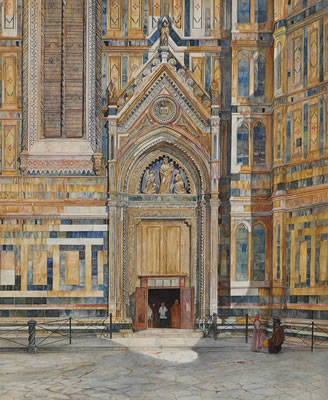 Born in Easton, New York, Henry Roderick Newman was a Pre-Raphaelite landscape and still-life painter, who moved with his family to New York City in 1843.
Along with John Bunyon Bristol, Newman was one of the first significant American painters to paint in Florida. He was attracted to the area for health reasons, and painted in the area of St. Augustine from 1868 until the summer of 1869. Some of these paintings were later acquired by his friend and patron, John Ruskin, the English aesthetician, with whom he traveled.
Today he remains known primarily for his membership in the American Pre-Raphaelite Association for the Advancement of Truth in Art, but his most accomplished work was likely done between 1875 and 1900 during his expatriate years. At that time, he established himself as one of the most important, some say the most important, American watercolorists working abroad. His specialty subjects were religious architectural structures, floral pictures, and views of endangered historical landmarks.
Many of his paintings were of Egypt where he lived much of his life, visiting for many months each year for 25 years, as well as in Italy. In 1869, he studied with Thomas Couture in France, and shortly after, he was a student of Jean Leon Gerome who emphasized figural drawing and painting. However, he didn't stay long with Gerome because he was disappointed in the instruction and was also insecure with the onset of the Franco-Prussian War.
Moving to Italy, he specialized in ecclesiastical masterpieces of architecture, and from there he traveled to Egypt and later to Japan.