Page loaded successfully. Showing biography for Joseph Beuys.
Joseph Beuys BIOGRAPHY
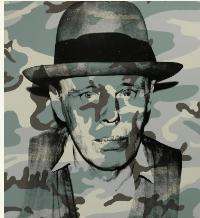
1921 Cleves, Germany - 1986 Dusseldorf, Germany. Known for: Cartoons, sculpture, installation and performance art, drawing.
Joseph Beuys was born on May 12, 1921 in the little town of Cleves in the Northwestern corner of Germany, near the Dutch border. (Beuys is a Dutch name; it rhymes with "voice"). He grew up in the... Read full biography
Joseph Beuys was born on May 12, 1921 in the little town of Cleves in the Northwestern corner of Germany, near the Dutch border. (Beuys is a Dutch name; it rhymes with "voice"). He grew up in the troubled years of post World War I Germany. He worked on farms as a boy, as an adolescent he joined a... Read full biography
Joseph Beuys was born on May 12, 1921 in the little town of Cleves in the Northwestern corner of Germany, near the Dutch border. (Beuys is a Dutch name; it rhymes with "voice"). He grew up in the troubled years of post World War I Germany. He worked on farms as a boy, as an adolescent he joined a traveling circus. At nineteen, he was conscripted into the Luftwaffe and was injured several times. In 1945 he turned to sculpture and painting. His drawings and paintings were exploratory studies of... Read full biography
Joseph Beuys was born on May 12, 1921 in the little town of Cleves in the Northwestern corner of Germany, near the Dutch border. (Beuys is a Dutch name; it rhymes with "voice"). He grew up in the troubled years of post World War I Germany. He worked on farms as a boy, as an adolescent he joined a traveling circus. At nineteen, he was conscripted into the Luftwaffe and was injured several times. In 1945 he turned to sculpture and painting. His drawings and paintings were exploratory studies of natural forms. In 1947 he enrolled at Dusseldorf Academy of Art. From 1951 to 1954 he worked at sculpture and drawings at his own studio in Dusseldorf. On September 19, 1959 he married Eva Wurmbach, an art teacher; they have a daughter, Jessyka. They... Read full biography
Joseph Beuys was born on May 12, 1921 in the little town of Cleves in the Northwestern corner of Germany, near the Dutch border. (Beuys is a Dutch name; it rhymes with "voice"). He grew up in the troubled years of post World War I Germany. He worked on farms as a boy, as an adolescent he joined a traveling circus. At nineteen, he was conscripted into the Luftwaffe and was injured several times. In 1945 he turned to sculpture and painting. His drawings and paintings were exploratory studies of natural forms. In 1947 he enrolled at Dusseldorf Academy of Art. From 1951 to 1954 he worked at sculpture and drawings at his own studio in Dusseldorf. On September 19, 1959 he married Eva Wurmbach, an art teacher; they have a daughter, Jessyka. They also had a son. In 1961 he was appointed Professor of scu... Read full biography
Artist Biography
Biography page for Joseph Beuys ((1921 - 1986)), known for Cartoons, sculpture, installation and performance art, drawing. Showing 2 biographical entries and 0 sample artworks.
Joseph Beuys - Artist Info
About Joseph Beuys
Biography from the Archives of askART
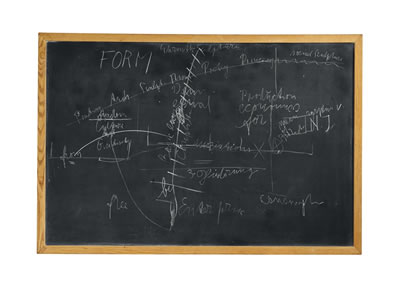 Joseph Beuys was born on May 12, 1921 in the little town of Cleves in the Northwestern corner of Germany, near the Dutch border. (Beuys is a Dutch name; it rhymes with "voice"). He grew up in the troubled years of post World War I Germany. He worked on farms as a boy, as an adolescent he joined a traveling circus. At nineteen, he was conscripted into the Luftwaffe and was injured several times. In 1945 he turned to sculpture and painting.
His drawings and paintings were exploratory studies of natural forms. In 1947 he enrolled at Dusseldorf Academy of Art. From 1951 to 1954 he worked at sculpture and drawings at his own studio in Dusseldorf. On September 19, 1959 he married Eva Wurmbach, an art teacher; they have a daughter, Jessyka. They also had a son.
In 1961 he was appointed Professor of sculpture at the Dusseldorf Academy of Art. Although he has often been ranked "somewhere between clown and gangster" by ultraconservatives and is always a controversial figure, he is totally serious in his conception of the artist as educator and political philosopher.
Though Beuys called himself a sculptor, he engaged in many media, including drawing, performance and installation art. The one constant was his embrace of discarded materials, especially felt and animal fur, all seemingly drawn from the ruins of a devastated land. Beuys died on January 23, 1986 in Dusseldorf
Written and compiled by Jean Ershler Schatz, artist and researcher of Laguna Woods, California.
Sources include:
World Artists, 1950-1980 by Claude Marks
Mark Rosenthal in ARTnews, May 1999
David Sylvester in Art in America, April 1999
From the internet, Artchive.comBiography from Bukowski Stockholm
Joseph Beuys, German cartoonist, sculptor, art theorist. Active both in Europe and the USA. One of Germany's most influential conceptual post-war artists, including in the Fluxus movement. Studied at the Düsseldorf Academy of Art from 1946 to 1951, where he became professor of sculpture in 1961.
His interest in natural science, folk tales and mythology has left clear traces in his extremely diverse work, which ranges from traditional techniques such as drawing, painting and sculpture to action art. Here he wants to point out how art can have a healing effect on both artist and viewer, when it addresses both social, psychological and political topics.
He is particularly noted for works that incorporate fat and felt, two common materials – one organic and one manufactured, which had a deeply personal meaning for the artist himself, e.g. the sculpture The Fat Chair and Felt Corner (1964) and the installation Talg (1977).