Page loaded successfully. Showing biography for Jules Pascin.
Jules Pascin BIOGRAPHY
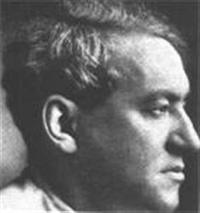
1885 Vidin, Bulgaria - 1930 Paris, France. Known for: Modernist female figure painting, landscape, early cartoons.
Jules Pascin was born in 1885 in Vidin, Bulgaria. His name was Julius Mordecai Pincas and he was the eighth of eleven children of a Spanish Sephardic Jew and his Serbian-Italian wife. He was raised... Read full biography
Jules Pascin was born in 1885 in Vidin, Bulgaria. His name was Julius Mordecai Pincas and he was the eighth of eleven children of a Spanish Sephardic Jew and his Serbian-Italian wife. He was raised in Bucharest, Romania. He attended art schools in Vienna and Munich and traveled to Berlin and Paris.... Read full biography
Jules Pascin was born in 1885 in Vidin, Bulgaria. His name was Julius Mordecai Pincas and he was the eighth of eleven children of a Spanish Sephardic Jew and his Serbian-Italian wife. He was raised in Bucharest, Romania. He attended art schools in Vienna and Munich and traveled to Berlin and Paris. From 1905 to 1929, he worked as a satirical cartoonist for a Munich weekly. From 1914 to 1920 he lived in America. He changed his name to Pascin (French) but he was equally at home in any country; he... Read full biography
Jules Pascin was born in 1885 in Vidin, Bulgaria. His name was Julius Mordecai Pincas and he was the eighth of eleven children of a Spanish Sephardic Jew and his Serbian-Italian wife. He was raised in Bucharest, Romania. He attended art schools in Vienna and Munich and traveled to Berlin and Paris. From 1905 to 1929, he worked as a satirical cartoonist for a Munich weekly. From 1914 to 1920 he lived in America. He changed his name to Pascin (French) but he was equally at home in any country; he became a citizen of the United States in 1920. He traveled extensively in the southern states and portrayed the downtrodden segments of society. In 1920 he returned to Paris and from there he traveled throughout Europe and North Africa. He changed... Read full biography
Jules Pascin was born in 1885 in Vidin, Bulgaria. His name was Julius Mordecai Pincas and he was the eighth of eleven children of a Spanish Sephardic Jew and his Serbian-Italian wife. He was raised in Bucharest, Romania. He attended art schools in Vienna and Munich and traveled to Berlin and Paris. From 1905 to 1929, he worked as a satirical cartoonist for a Munich weekly. From 1914 to 1920 he lived in America. He changed his name to Pascin (French) but he was equally at home in any country; he became a citizen of the United States in 1920. He traveled extensively in the southern states and portrayed the downtrodden segments of society. In 1920 he returned to Paris and from there he traveled throughout Europe and North Africa. He changed his mediums from watercolor and drawing to oil paint. Pascin's preoccupation was women. Everywhere he went he liked to s... Read full biography
Artist Biography
Biography page for Jules Pascin ((1885 - 1930)), known for Modernist female figure painting, landscape, early cartoons. Showing 4 biographical entries and 0 sample artworks.
Jules Pascin - Artist Info
About Jules Pascin
Name variants
Jules Pasquin, Jules Pincas
Biography from the Archives of askART
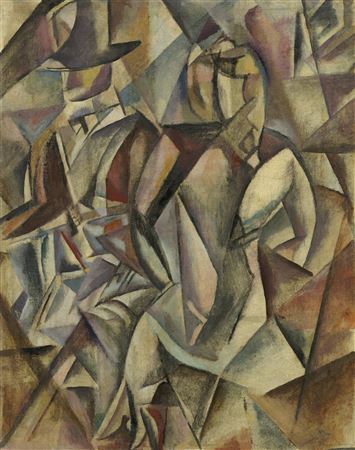 Jules Pascin was born in 1885 in Vidin, Bulgaria. His name was Julius Mordecai Pincas and he was the eighth of eleven children of a Spanish Sephardic Jew and his Serbian-Italian wife. He was raised in Bucharest, Romania. He attended art schools in Vienna and Munich and traveled to Berlin and Paris. From 1905 to 1929, he worked as a satirical cartoonist for a Munich weekly. From 1914 to 1920 he lived in America.
He changed his name to Pascin (French) but he was equally at home in any country; he became a citizen of the United States in 1920. He traveled extensively in the southern states and portrayed the downtrodden segments of society. In 1920 he returned to Paris and from there he traveled throughout Europe and North Africa. He changed his mediums from watercolor and drawing to oil paint.
Pascin's preoccupation was women. Everywhere he went he liked to sponge up wine, Pernod and brandy; he liked to work with thirty or forty friends carousing about him in his studio. Mostly his subjects and companions were the girls of easy, and available virtue.
Pascin was sensuously ugly with heavy features under a perennial black derby. As he began to age, his art more and more portrayed the image of an old man teased by willing sprites. Slowly his vision of women softened to match their contours. As his nudes grew ever more evanescent in powdery pastels, they also became even more erotic.
In 1930, at the age of forty-five, Pascin slashed his wrists, wrote a note to his mistress on the wall in blood, and finding death too slow in coming determinedly hanged himself from his studio door.
Sources include:
Time Magazine, January 20, 1967
Written and submitted by Jean Ershler Schatz, artist and researcher from Laguna Woods, California.Biography from the Archives of askART
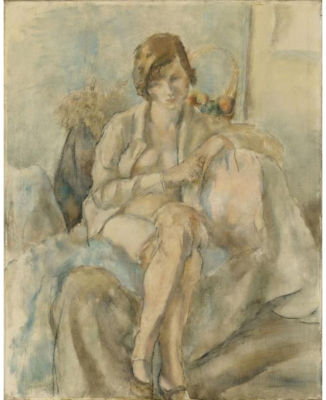 Born in Widdin, Bulgaria with the name of Julius Pincas, he was raised in Bucharest, Romania. He later adopted the name, Jules Pascin, under which all his paintings are known. He attended art schools in Vienna and Munich and traveled to Berlin and Paris. From 1905 to 1929, he worked as a satirical cartoonist for a Munich weekly. Later he changed his mediums from watercolor and drawing to oil.
From 1914 to 1920, he lived in America and became a U.S. citizen to escape military service in France. He traveled extensively in the southern states and portrayed downtrodden segments of society. In 1920, he returned to Paris, where he was a regular at the fashionable Cafe du Dome.
He also traveled throughout Europe and North Africa. However, in 1927, he returned to New York City to re-establish his American citizenship. He stayed in Brooklyn Heights with Robert Laurent and Yasuo Kuniyoshi, and with "his trademark derby hat and outlandish drunken antics" (Pollock, 73) was very popular in a circle that included art dealer, Edith Halpert.
Suffering depression and alcoholism, two years later, he committed suicide on the eve of a prestigious solo show by slitting his wrists and hanging himself in his studio in Montmartre.
Sources include:
Peter Hastings Falk, Editor, Who Was Who in American Art
Lindsay Pollock, The Girl With the GalleryBiography from RoGallery
Born Julius Mordecai Pincas in Vidin, a small town in Bulgaria, the artist spent part of his childhood in Bucharest before attending boarding school in Vienna. About 1902, he studied painting in Vienna and in 1903 or 1904 went to Munich, where he enrolled at the Heymann Art School. During this period, he worked as an illustrator, contributing cartoons to such German periodicals as Jugend and Simplicissimus. He also further studied in Berlin.
In 1905, about the time that he changed his surname to Pascin, he moved to Paris, where as a member of an international circle of artists who frequented the Cafe du Dome, he became a leading modernist. He had his first one-man show at the Paul Cassirer Gallery in Berlin in 1907, and later exhibited at the Berlin Secession and the Cologne Sonderbund-Ausstellung.
On immigrating to New York City in 1914, Pascin associated with a coterie of progressive painters, among them Walt Kuhn, Yasuo Kuniyoshi, and Max Weber, who were influenced by his figurative style in which he conjoined elements of Expressionism and Cubism with a highly personal vision of his environment. His aesthetic, especially his subtle handling of line and tone and his fine draftsmanship, was especially influential to Kuniyoshi and to such artists as Peggy Bacon. During the 1920s he exhibited in both Paris and New York and traveled extensively.
Although Pascin's watercolors, oils, and drawings were generally well received, a series of unfavorable reviews in 1930 left him severely depressed. He committed suicide in Paris in June of that year.Biography from Oise Encheres, Chantilly
Julius Pinkas, known as Pascin, was born in Viddin (Bulgaria) in 1885. He first stayed in Vienna, Berlin, left for Munich, and he was 20 when he moved to Paris in 1905; Paris is teeming with artists from all over the world (Modigliani, Soutine, Picasso, Chagall, etc.); the latter welcomed him and he immediately collaborated on several Parisian publications.
An individualist not very sensitive to external influences, Pascin has an unusual personality, constantly oscillating between seduction or appearing, and an anxious nature, plagued by permanent doubt and even despair. Frail, dark in appearance, it haunts the terraces of the Dôme and La Rotonde. He draws his contemporaries, attaching himself to the human condition, is passionate about the female body which he draws in all its curves.
In 1914, Pascin had to leave Paris because of his Bulgarian nationality, and he left for the United States, settled in New York where he took American nationality. He travels, bringing back drawings and watercolors (Cuba, Texas, Florida, etc.). He is looking for a new mode of expression. In 1920, Pascin returned to Paris. He passionately began to engrave, learning this art from Jean-Gabriel Daragnès. He drinks, leads a dissolute life, attends brothels where he covers his notebooks with voluptuous, sometimes erotic drawings. The world of Pascin is then not very far from that of Toulouse-Lautrec.
His drawings, like his painting, express a great sadness, a deep distress that he then manages less and less to master. In 1923, the artist adopted his so-called "pearly" way, using pastel colors, becoming an expert in the technique of glazing and transparency, also constantly returning to the theme of prostitution, an environment in which he found himself. now completely melted. His line is both supple and incisive. Bohemian, unrepentant spendthrift, consumed by alcohol, exhausted, sick, depressed, constantly putting his life to the extreme limits of possible, he committed suicide on June 2, 1930, the very day of the opening of an exhibition dedicated to him.