Page loaded successfully. Showing biography for Keeley Halswelle.
Keeley Halswelle BIOGRAPHY
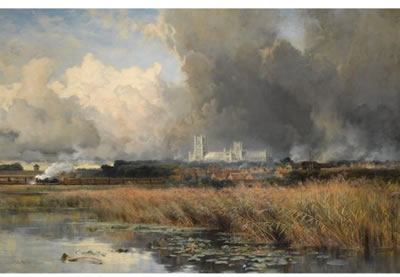
1832 Richmond, Surrey, England - 1891 Paris, France. Known for: Book and newsprint illustration, dramatic, romantic landscape painting, drawing.
Keeley Halswelle ( 1832 – 1891 ). John Keeley Halswell, also known professionally as Keeley Halswelle, was born in Richmond, Surrey, United Kingdom, in April of 1832. After a classical English... Read full biography
Keeley Halswelle ( 1832 – 1891 ). John Keeley Halswell, also known professionally as Keeley Halswelle, was born in Richmond, Surrey, United Kingdom, in April of 1832. After a classical English education in Richmond, including classes in drawing and painting due to his youthful talent and interest... Read full biography
Keeley Halswelle ( 1832 – 1891 ). John Keeley Halswell, also known professionally as Keeley Halswelle, was born in Richmond, Surrey, United Kingdom, in April of 1832. After a classical English education in Richmond, including classes in drawing and painting due to his youthful talent and interest in art, Halswell became a book and newsprint illustrator known professionally as Keeley Halswelle working for a number of printers and print publications including the Illustrated London News, known at... Read full biography
Keeley Halswelle ( 1832 – 1891 ). John Keeley Halswell, also known professionally as Keeley Halswelle, was born in Richmond, Surrey, United Kingdom, in April of 1832. After a classical English education in Richmond, including classes in drawing and painting due to his youthful talent and interest in art, Halswell became a book and newsprint illustrator known professionally as Keeley Halswelle working for a number of printers and print publications including the Illustrated London News, known at its creation in 1842 as the “world’s first illustrated weekly news magazine,” selling over 300,000 copies every week by 1863. In 2010 the entire catalog of the Illustrated London News was digitized and is currently available on-line by subscription... Read full biography
Keeley Halswelle ( 1832 – 1891 ). John Keeley Halswell, also known professionally as Keeley Halswelle, was born in Richmond, Surrey, United Kingdom, in April of 1832. After a classical English education in Richmond, including classes in drawing and painting due to his youthful talent and interest in art, Halswell became a book and newsprint illustrator known professionally as Keeley Halswelle working for a number of printers and print publications including the Illustrated London News, known at its creation in 1842 as the “world’s first illustrated weekly news magazine,” selling over 300,000 copies every week by 1863. In 2010 the entire catalog of the Illustrated London News was digitized and is currently available on-line by subscription allowing viewers to follow the development of Halswelle’s illustration work over his period with the publication, inc... Read full biography
Artist Biography
Biography page for Keeley Halswelle ((1832 - 1891)), known for Book and newsprint illustration, dramatic, romantic landscape painting, drawing. Showing 1 biographical entries and 0 sample artworks.
Keeley Halswelle - Artist Info
About Keeley Halswelle
Name variants
Keeley Halsewelle, K Halswelle, Keeley Kalswelle
Biography from the Archives of askART
 Keeley Halswelle ( 1832 – 1891 )
John Keeley Halswell, also known professionally as Keeley Halswelle, was born in Richmond, Surrey, United Kingdom, in April of 1832. After a classical English education in Richmond, including classes in drawing and painting due to his youthful talent and interest in art, Halswell became a book and newsprint illustrator known professionally as Keeley Halswelle working for a number of printers and print publications including the Illustrated London News, known at its creation in 1842 as the “world’s first illustrated weekly news magazine,” selling over 300,000 copies every week by 1863.
In 2010 the entire catalog of the Illustrated London News was digitized and is currently available on-line by subscription allowing viewers to follow the development of Halswelle’s illustration work over his period with the publication, including many of his illustrations from 1859 to 1885.
While making a good living and achieving fame as a book illustrator of such popular works as Byron’s Poems, 1861; Scott’s Poems 1861; and Wordsworth’s Poems, 1863, Halswelle returned to painting successful landscape works in a dramatic and personal version of the romantic style.
As early as 1852, Halswelle had exhibited work in the Royal Scottish Academy* where he was elected an Associate in 1866. Founded in 1818 and granted a royal charter in 1838, the Academy is Scotland’s national gallery of art. During this period, Halswelle is recorded in city registries as a resident of Edinburgh, living at Belfield House, Duddingston Village, a residential suburb of Edinburgh.
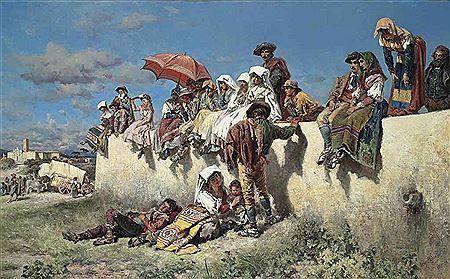
In and around Edinburgh, Halswelle began to increasingly paint landscapes of the expansive Scottish countryside in a romantic and colorful style of masterful drawing, revealed brushstroke and dramatic chiaroscuro and color. During this period, Halswelle’s more formal, Roba di Roma” was an award winner at Burlington House and at the annual competitive exhibition at Manchester. His Non Angli sed Angeli completed in 1877 was also exhibited in the Royal Scottish Academy in 1878.
After his earlier and continued success as a book illustrator and his growing interest in painting, Halswelle left Scotland in the 1870s for an extended period of time to travel and study on the continent and throughout Italy where he perfected his unique style of romantic landscape painting that he added to his considerable skill as a draughtsman.
Back in Scotland, Halswelle continued to gain fame from a number of successful and award winning topographical paintings for which he is best known today including his well-known, The River Thames above Maidenhead now in the Millbank Gallery as part of philanthropist Henry Tate’s gift of paintings to the nation in 1884.
Halswelle was elected as a member of the Institute of Painters in Oil Colours, London, in 1882, today known as the Royal Institute of Oil Painters*, when the group was granted royal status by King Edward VII in 1909. At the Institute, Halswelle joined established English painters and artists painting in England including Sir Lawrence Alma-Tadema, Walter Sickert, Henri Fantin-Latour, John Collier and others in this select society of renowned artists who worked exclusively in oils.
Halswelle died of pneumonia during a trip to Paris in 1891. He was married three times and was survived by his last wife, Helen Gordon and their two sons. He is buried near his last residence and studio at Stoner House, Steep, in Hampshire. Halswelle is included in The Dictionary of National Biography, 1901, and the Oxford Dictionary of National Biography, now also on-line.
Halswelle’s Gypsy Encampment, Danbury Common of 1889 is an important painting from the end of his best period in oil painting. Here, Halswelle paints a stormy early evening on the windswept common grounds near Danbury, England, seen in the center-left background. Overhead dark and ominous clouds help create a dramatic environment for the meagre camp of a small band of Gypsies who have wandered onto this communal acreage as they travel throughout parts of the countryside of the United Kingdom in search of part-time employment as day laborers and experts in the occult sciences, including fortune telling.
While banned and persecuted throughout much of their history, the Romani people are descended from Sanskrit speaking Hindu cultures from India who traveled west in search of a better and safer existence. By the sixteenth century the Romanichal, as they were called in England, had entered Scotland and other parts of England. In 1530, under the reign of Henry VIII, the Egyptian Act called for their expulsion from the British Isles, but by 1576, the Crown granted any remaining Romani people the privilege of staying in the country and wandering between tracts of land designated public or common by the Crown as long as the Gypsies agreed to pay a yearly tax.
In many ways, Gypsies came to symbolize the wandering and transitory forces of the mysterious and exotic east. These attributes find their way into the mainstream of culture in Britain. Gypsies appear in different incarnations of mystery and criminality as early as the plays of William Shakespeare’s Midsummer Night’s Dream, As You Like It, Othello, and the Tempest. And Gypsies had been incorporated as dark forces into a number of Italian Renaissance paintings by masters like Giorgione and known to British artists like Halswelle through engravings and etchings.
Gypsy Encampment, Danbury Common painted two years before the artist’s death, combines the exotic and mysterious associations of Gypsy culture, pictured here literally on the outskirts of civic life, with the sublimity and grandeur of the English countryside, by a master of the romantic school of painting in the United Kingdom at the approach of a new century.
Written and submitted by Gary R. Libby, art historian, author, curator
* For more in-depth information about these terms and others, see AskART.com Glossary http://www.askart.com/AskART/lists/Art_Definition.aspx