Page loaded successfully. Showing biography for Konstantin Ivanovich Gorbatov.
Konstantin Ivanovich Gorbatov BIOGRAPHY
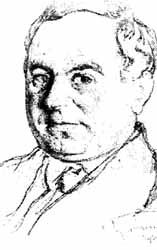
1876 Stavropol, Russia - 1945 Berlin, Germany. Known for: Landscape, figure, portrait, interior, and town-and city scenes.
Konstantin Gorbatov came to fine art unusually late in his career when moved to St. Petersburg, Russia in 1904. He trained at the Baron Stieglitz Central School for Technical Draftsmanship before... Read full biography
Konstantin Gorbatov came to fine art unusually late in his career when moved to St. Petersburg, Russia in 1904. He trained at the Baron Stieglitz Central School for Technical Draftsmanship before converting his energies into the freer form of painting. He completed his studies at the St. Petersburg... Read full biography
Konstantin Gorbatov came to fine art unusually late in his career when moved to St. Petersburg, Russia in 1904. He trained at the Baron Stieglitz Central School for Technical Draftsmanship before converting his energies into the freer form of painting. He completed his studies at the St. Petersburg Academy of Arts aged thirty-five. Amongst his teachers were Alexei Kisselev and Nikolai Dubovskoy. Despite early artistic links with St. Petersburg, however, Gorbatov also shares many traits with his... Read full biography
Konstantin Gorbatov came to fine art unusually late in his career when moved to St. Petersburg, Russia in 1904. He trained at the Baron Stieglitz Central School for Technical Draftsmanship before converting his energies into the freer form of painting. He completed his studies at the St. Petersburg Academy of Arts aged thirty-five. Amongst his teachers were Alexei Kisselev and Nikolai Dubovskoy. Despite early artistic links with St. Petersburg, however, Gorbatov also shares many traits with his contemporaries from the Moscow School of the World of Art movement, such as Yuon, Petrovichev and Zhukovsky. Principally, as Lyudmilla Denisova argues, in the quest for a National Russian landscape as evident in his choice of subject the medieval... Read full biography
Konstantin Gorbatov came to fine art unusually late in his career when moved to St. Petersburg, Russia in 1904. He trained at the Baron Stieglitz Central School for Technical Draftsmanship before converting his energies into the freer form of painting. He completed his studies at the St. Petersburg Academy of Arts aged thirty-five. Amongst his teachers were Alexei Kisselev and Nikolai Dubovskoy. Despite early artistic links with St. Petersburg, however, Gorbatov also shares many traits with his contemporaries from the Moscow School of the World of Art movement, such as Yuon, Petrovichev and Zhukovsky. Principally, as Lyudmilla Denisova argues, in the quest for a National Russian landscape as evident in his choice of subject the medieval towns of Novgorod and Pskov (L.Denisova, Konstantin Gorbatov: K 125 letiyu so dnya rozhdeniya, Moscow: No... Read full biography
Artist Biography
Biography page for Konstantin Ivanovich Gorbatov ((1876 - 1945)), known for Landscape, figure, portrait, interior, and town-and city scenes. Showing 3 biographical entries and 0 sample artworks.
Konstantin Ivanovich Gorbatov - Artist Info
About Konstantin Ivanovich Gorbatov
Name variants
Constantin Gorbatoff, Konstantin Ivanovich Gorbatow
Biography from the Archives of askART
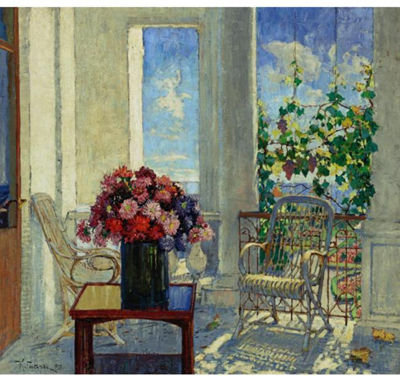 Konstantin Gorbatov came to fine art unusually late in his career when moved to St. Petersburg, Russia in 1904. He trained at the Baron Stieglitz Central School for Technical Draftsmanship before converting his energies into the freer form of painting. He completed his studies at the St. Petersburg Academy of Arts aged thirty-five.
Amongst his teachers were Alexei Kisselev and Nikolai Dubovskoy.
Despite early artistic links with St. Petersburg, however, Gorbatov also shares many traits with his contemporaries from the Moscow School of the World of Art movement, such as Yuon, Petrovichev and Zhukovsky.
Principally, as Lyudmilla Denisova argues, in the quest for a National Russian landscape as evident in his choice of subject the medieval towns of Novgorod and Pskov (L.Denisova, Konstantin Gorbatov: K 125 letiyu so dnya rozhdeniya, Moscow: Novyi Ermitazh, 2001, p.3).
He moved to Berlin in 1926 but continued to travel extensively throughout Europe during the late 30s, visiting Palestine and Syria in 1934 and 1935. As a Soviet citizen he was forbidden to leave Germany during World War II; he died in Berlin shortly thereafter.
Gorbatov is represented in the collection of Historical, Architectural and Art Museum, Moscow, amongst other collections.
Source:
Sphinx Fine Art
http://www.sphinxfineart.com/Gorbatov-Konstantin-Ivanovich-DesktopBiography from Auctionata
A major Russian painter of Impressionism, Konstantin Gorbatov was born in Stavropol in the Samara province in 1876. In 1895 he attended the technical drawing school of Baron Stieglitz in St. Petersburg. In 1904, he joined the architecture class at the Academy of Arts, however, he decided a year later to join the painting class instead. There he studied from 1905 to 1911 under the Impressionist painter Nikolay Nikanorovich Dubovskoy, who stylistically influenced his work, which always followed the Impressionist way of painting. During this time, he also created some graphic works for a satirical magazine he used to work for.
A scholarship enabled him a study trip to Rome. An invitation of the Russian writer Maxim Gorky, led him to the island of Capri, followed by a trip through large parts of Europe. Back in Russia, he painted landscapes, views of cities and small towns in the north of the Volga. The Island of Capri, where he later lived for several years, often appeared as subject in his paintings.
In 1926, Gorbatov settled in Berlin, where he achieved great success as a painter in the beginning. With the rise of the Nazi regime and the corresponding understanding of art in Germany it became increasingly difficult to work. A departure was impossible, so that stayed in Berlin till the end of the war, living sickly and in poverty.
After his death in 1945 Gorbatov bequeathed all his works to the Academy of Arts in Leningrad, eventually they were stored and exhibited at the Moscow State Museum of History and Art in the New Jerusalem Monastery.Biography from Sovcom
Professor of the St. Petersburg Academy of Arts. In the early 1890s. studied in Samara with artists F.E. Burov and A. Egorov. In 1895 he entered the Central School of Technical Drawing of Baron Stieglitz, in 1896 he entered the construction department of the Riga Polytechnic and continued his studies in painting in the studio of D. Clark. In 1904 he entered the architectural department of the Academy of Arts, from 1905 to 1911. studied at the painting department of the Academy of Arts under V.E. Dubovsky and A.A. Kiseleva. In 1911, for the painting “They Sailed” he received the title of artist, a trip abroad and an international gold medal at an exhibition in Munich. In 1912 he traveled around Europe. Upon returning to Russia, he painted landscapes, views of northern cities and small Volga towns. In 1922 he emigrated from Russia and settled in Berlin. According to the artist’s will, all his paintings after his death were transferred to the Academy of Arts in Leningrad, and are currently stored in the Moscow Regional Art Museum in New Jerusalem.