Page loaded successfully. Showing biography for Moshe Gershuni.
Moshe Gershuni BIOGRAPHY
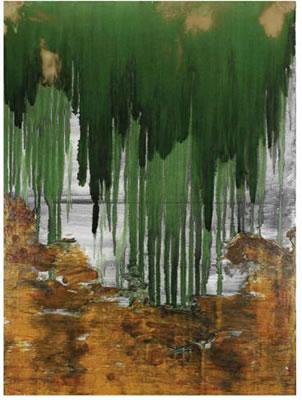
1936 Tel Aviv - 2017. Known for: Painting and sculpture.
Moshe Gershuni was born in 1936 in Tel Aviv to parents who migrated from Poland; He grew up in a secular home, had a religious education throughout his childhood. His future works were heavily... Read full biography
Moshe Gershuni was born in 1936 in Tel Aviv to parents who migrated from Poland; He grew up in a secular home, had a religious education throughout his childhood. His future works were heavily influenced by religious teachings, as well as the effects of the Holocaust. Gershuni’s artistic path began... Read full biography
Moshe Gershuni was born in 1936 in Tel Aviv to parents who migrated from Poland; He grew up in a secular home, had a religious education throughout his childhood. His future works were heavily influenced by religious teachings, as well as the effects of the Holocaust. Gershuni’s artistic path began in the 60's of the 20th century with abstract sculpture in "Avni Institute of Art and Design" where his teachers were part of the art movement "Ofakim Hadashim". His first solo exhibition was... Read full biography
Moshe Gershuni was born in 1936 in Tel Aviv to parents who migrated from Poland; He grew up in a secular home, had a religious education throughout his childhood. His future works were heavily influenced by religious teachings, as well as the effects of the Holocaust. Gershuni’s artistic path began in the 60's of the 20th century with abstract sculpture in "Avni Institute of Art and Design" where his teachers were part of the art movement "Ofakim Hadashim". His first solo exhibition was unveiled in 1969 in the Israel Museum. He presented abstract paintings and sculptures in which he expressed the influence of "Pop Art" on his works. In the 1970's Gershuni produced a series of works which were influenced by conceptual art while at the same... Read full biography
Moshe Gershuni was born in 1936 in Tel Aviv to parents who migrated from Poland; He grew up in a secular home, had a religious education throughout his childhood. His future works were heavily influenced by religious teachings, as well as the effects of the Holocaust. Gershuni’s artistic path began in the 60's of the 20th century with abstract sculpture in "Avni Institute of Art and Design" where his teachers were part of the art movement "Ofakim Hadashim". His first solo exhibition was unveiled in 1969 in the Israel Museum. He presented abstract paintings and sculptures in which he expressed the influence of "Pop Art" on his works. In the 1970's Gershuni produced a series of works which were influenced by conceptual art while at the same time referring to the post-minimalist values at the time. He exposes the process of the artist work while Gershuni preserved th... Read full biography
Artist Biography
Biography page for Moshe Gershuni ((1936 - 2017)), known for Painting and sculpture. Showing 2 biographical entries and 0 sample artworks.
Moshe Gershuni - Artist Info
About Moshe Gershuni
Biography from Tiroche Auction House
Moshe Gershuni was born in 1936 in Tel Aviv to parents who migrated from Poland; He grew up in a secular home, had a religious education throughout his childhood. His future works were heavily influenced by religious teachings, as well as the effects of the Holocaust. Gershuni’s artistic path began in the 60's of the 20th century with abstract sculpture in "Avni Institute of Art and Design" where his teachers were part of the art movement "Ofakim Hadashim". His first solo exhibition was unveiled in 1969 in the Israel Museum. He presented abstract paintings and sculptures in which he expressed the influence of "Pop Art" on his works. In the 1970's Gershuni produced a series of works which were influenced by conceptual art while at the same time referring to the post-minimalist values at the time. He exposes the process of the artist work while Gershuni preserved the characteristics of form within conceptual art, that is, the use of text, its arrangement in series and the reflexive dimension of the works. Among the new characteristics that appeared in his works, was a whole series of clearly biographical references, both to the artist and to his family. During those years Gershuni was a member of the group "Metzer – Messer Project" their activities emphasized the work methods of art as an element in social progress. In 1972 Gershuni began to teach in the Department of Fine Arts of “Bezalel.” He was considered one of the central teachers that supported experimental and political art. This controversy lead tohim being fired. . In 1978 Gershuni began to teach at "HaMidrasha" in Ramat Hasharon until 1986. During those years he exhibited installations in different museums and galleries. In 1977 he began to incorporate the memory of the Holocaust to a greater extend and even exhibited in the Israeli Pavilion at the Venice Biennial of Art. By the early 1980's you can see a drastic change in his work, he started to use the color red in his works, referencing the Holocaust and conjuring personal, zionistic, Muslim and Christian symbols. All this while sharing his point of view of himself, which leads to his consciousness as a homo-sexual and adds another layer to his works: the discussion about identity. At the same time, he also worked on prints that incorporated Jewish texts and iconographic elements. In 2003, he was awarded the "Israel Prize for Painting" for his work, but after refusing to attend the ceremony, it was revoked and he was deprived of receiving the prize. Later on, even after his death, his works were exhibited in different exhibitions in Israel and around the world. Gershuni's art stands out for being a re-artist who touches on political, social and personal content and who has influenced Israeli art to free itself from restraint and offer a wealth of emotion on various key issues in the Israeli society.Biography from Montefiore Auction House
Moshe Gershuni, the painter, was born in 1936 in Tel Aviv. Moshe currently lives in Tel Aviv. Moshe Gershuni was one of the first artists in Israel to explore highly modernistic, iconoclastic possibilities, at the end of the 1960s, creating works which were paradigms of Conceptual art, and in the 1970s extending his art to public performance. As a stimulating teacher in Bezalel, he fueled the imagination of many young artists, especially towards political involvement.
At the Venice Biennale in 1980, Gershuni showed paintings on paper in red lacquer, amidst canals of blood, creating an atmosphere of Holocaust. Immediately afterwards he began a period of painting which stands out as a milestone in Israeli art. Using free scrawl, drip, finger paint, and calligraphy, he suggests personal, Zionist, Moslem and Christian symbols. These works seem to have been created in a trance. His recent silk screens ("Kaddish") are among the finest produced in the country in recent years.