Page loaded successfully. Showing biography for Paul Lehr.
Paul Lehr BIOGRAPHY
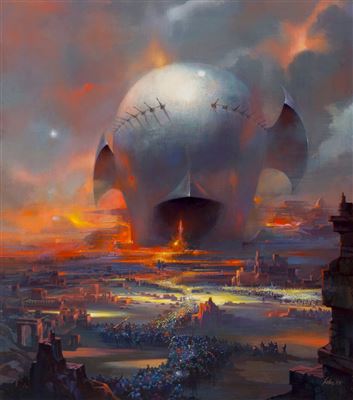
1930 - 1998. Known for: Science fiction book illustration, surrealism, painting, sculpture.
Paul Lehr. Among the very few artists who are able to evoke the science fiction genre without depicting the specific scenes from the books they illustrate, Paul Lehr stands out for dominating the... Read full biography
Paul Lehr. Among the very few artists who are able to evoke the science fiction genre without depicting the specific scenes from the books they illustrate, Paul Lehr stands out for dominating the science fiction covers in the mid-1960s into the 1970s. He attended the Pratt Institute (NY) from... Read full biography
Paul Lehr. Among the very few artists who are able to evoke the science fiction genre without depicting the specific scenes from the books they illustrate, Paul Lehr stands out for dominating the science fiction covers in the mid-1960s into the 1970s. He attended the Pratt Institute (NY) from 1953-1956, earning a certificate in illustration. There, he studied with Philip Guston, Richard Lindner, Calvin Albert and most importantly, Stanley Meltzoff in Red Bank, New Jersey. In the late 1960s he... Read full biography
Paul Lehr. Among the very few artists who are able to evoke the science fiction genre without depicting the specific scenes from the books they illustrate, Paul Lehr stands out for dominating the science fiction covers in the mid-1960s into the 1970s. He attended the Pratt Institute (NY) from 1953-1956, earning a certificate in illustration. There, he studied with Philip Guston, Richard Lindner, Calvin Albert and most importantly, Stanley Meltzoff in Red Bank, New Jersey. In the late 1960s he moved to Pennsylvania and had a studio out in his barn. He painted landscapes and made sculpture with his good friends, New Jersey artists Ronald Wing and Steven Bagnell. While Lehr's earliest published works show Meltzoff's influence, with whom he... Read full biography
Paul Lehr. Among the very few artists who are able to evoke the science fiction genre without depicting the specific scenes from the books they illustrate, Paul Lehr stands out for dominating the science fiction covers in the mid-1960s into the 1970s. He attended the Pratt Institute (NY) from 1953-1956, earning a certificate in illustration. There, he studied with Philip Guston, Richard Lindner, Calvin Albert and most importantly, Stanley Meltzoff in Red Bank, New Jersey. In the late 1960s he moved to Pennsylvania and had a studio out in his barn. He painted landscapes and made sculpture with his good friends, New Jersey artists Ronald Wing and Steven Bagnell. While Lehr's earliest published works show Meltzoff's influence, with whom he briefly shared a studio, Lehr soon developed his own unique voice and palette. His imagery, although representation... Read full biography
Artist Biography
Biography page for Paul Lehr ((1930 - 1998)), known for Science fiction book illustration, surrealism, painting, sculpture. Showing 2 biographical entries and 0 sample artworks.
Paul Lehr - Artist Info
About Paul Lehr
Biography from Stillwell House Fine Art & Antiques
 Paul Lehr
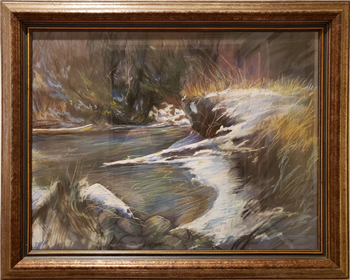
Among the very few artists who are able to evoke the science fiction genre without depicting the specific scenes from the books they illustrate, Paul Lehr stands out for dominating the science fiction covers in the mid-1960s into the 1970s. He attended the Pratt Institute (NY) from 1953-1956, earning a certificate in illustration. There, he studied with Philip Guston, Richard Lindner, Calvin Albert and most importantly, Stanley Meltzoff in Red Bank, New Jersey. In the late 1960s he moved to Pennsylvania and had a studio out in his barn. He painted landscapes and made sculpture with his good friends, New Jersey artists Ronald Wing and Steven Bagnell.
While Lehr's earliest published works show Meltzoff's influence, with whom he briefly shared a studio, Lehr soon developed his own unique voice and palette. His imagery, although representational, shared abstract and surrealist affinities with the art of Richard Powers, whose earlier success paved the way for experimentation in illustrative art. Lehr followed his own dictum with original and brilliantly colored "futurescapes".
These often featured enormous egg-like or spherical objects, set against grand but barren future landscapes, with the human figures, if any, scaled as so to appear dwarfed by their surroundings. His paintings were "atmospheric... built around the use of saturated colors in a multiplicity of harmonies... highly evocative of the central themes of science fiction," according to Vincent Di Fate, who chose Lehr's work for the jacket cover of his important visual survey of science fiction art, Infinite Worlds (1997).
Lehr worked in a variety of media, including oils, acrylics (sometimes in combination with oil), pastels and gouache, often on Masonite or wood panel, and signed every work with a scripted "Lehr". In June 1998, he wrote: "I try to take advantage of intuition and accidents that occur on the way to completion of a work of art. I like to be mentally free and let the subconscious enter into the creative process. Like many artists, my consciousness has been dominated by the urge to create. It has been this way since the beginning..."
Source:
Frank, Jane. A Biographical Dictionary: Science Fiction and Fantasy Artists of the Twentieth Century. Published by McFarland & Company, Inc., Jefferson, North Carolina, and London, 2009. p. 316-7.Biography from Eldred's
Paul Lehr was an artist and illustrator well known for the cover art he produced for science fiction novels in the 60's and 70's.