Page loaded successfully. Showing biography for Svend Wiig Hansen.
Svend Wiig Hansen BIOGRAPHY
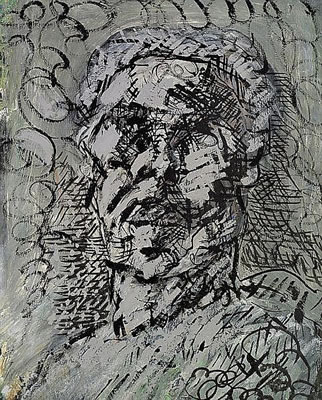
1922 Mogeltonder, Denmark - 1997 Helsingor, Denmark. Known for: Single and group figure sculpture, church and theatre decoration.
Svend Wiig Hansen (20 December 1922, Møgeltønder – 15 March 1997, Helsingør) was a Danish sculptor and painter also known as Wiig Hansen. He was initially undecided about his career, working as a... Read full biography
Svend Wiig Hansen (20 December 1922, Møgeltønder – 15 March 1997, Helsingør) was a Danish sculptor and painter also known as Wiig Hansen. He was initially undecided about his career, working as a circus clown and a singer until a job requiring his help in the completion of climbing angels convinced... Read full biography
Svend Wiig Hansen (20 December 1922, Møgeltønder – 15 March 1997, Helsingør) was a Danish sculptor and painter also known as Wiig Hansen. He was initially undecided about his career, working as a circus clown and a singer until a job requiring his help in the completion of climbing angels convinced him he should become a sculptor. After studying at the Royal Academy of Denmark* under Johannes Bjerg and Einar Utzon-Frank (1946–1950), he created early sculptures that included his monumental burnt... Read full biography
Svend Wiig Hansen (20 December 1922, Møgeltønder – 15 March 1997, Helsingør) was a Danish sculptor and painter also known as Wiig Hansen. He was initially undecided about his career, working as a circus clown and a singer until a job requiring his help in the completion of climbing angels convinced him he should become a sculptor. After studying at the Royal Academy of Denmark* under Johannes Bjerg and Einar Utzon-Frank (1946–1950), he created early sculptures that included his monumental burnt clay Torso (1951) inspired by Aristide Maillol and his cement Moder Jord (Mother Earth, 1953) influenced in part by pre-columbian sculpture. The gigantic group sculpture of Mennesket ved havet (Men at Sea, (1994) near Esbjerg is inspired by Cycladic... Read full biography
Svend Wiig Hansen (20 December 1922, Møgeltønder – 15 March 1997, Helsingør) was a Danish sculptor and painter also known as Wiig Hansen. He was initially undecided about his career, working as a circus clown and a singer until a job requiring his help in the completion of climbing angels convinced him he should become a sculptor. After studying at the Royal Academy of Denmark* under Johannes Bjerg and Einar Utzon-Frank (1946–1950), he created early sculptures that included his monumental burnt clay Torso (1951) inspired by Aristide Maillol and his cement Moder Jord (Mother Earth, 1953) influenced in part by pre-columbian sculpture. The gigantic group sculpture of Mennesket ved havet (Men at Sea, (1994) near Esbjerg is inspired by Cycladic art and the figures on Easter Island. Slægt løfter slægt (1997), which was installed for a period on Gamme... Read full biography
Artist Biography
Biography page for Svend Wiig Hansen ((1922 - 1997)), known for Single and group figure sculpture, church and theatre decoration. Showing 1 biographical entries and 0 sample artworks.
Svend Wiig Hansen - Artist Info
About Svend Wiig Hansen
Name variants
Wiig Hansen, Svend Wiig-Hansen
Biography from the Archives of askART
 Svend Wiig Hansen (20 December 1922, Møgeltønder – 15 March 1997, Helsingør) was a Danish sculptor and painter also known as Wiig Hansen. He was initially undecided about his career, working as a circus clown and a singer until a job requiring his help in the completion of climbing angels convinced him he should become a sculptor.
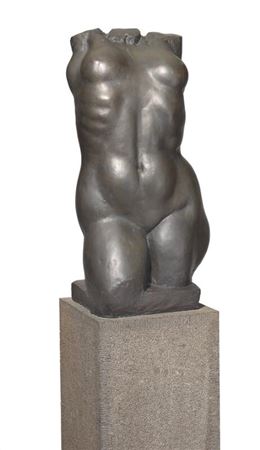
After studying at the Royal Academy of Denmark* under Johannes Bjerg and Einar Utzon-Frank (1946–1950), he created early sculptures that included his monumental burnt clay Torso (1951) inspired by Aristide Maillol and his cement Moder Jord (Mother Earth, 1953) influenced in part by pre-columbian sculpture.
The gigantic group sculpture of Mennesket ved havet (Men at Sea, (1994) near Esbjerg is inspired by Cycladic art and the figures on Easter Island. Slægt løfter slægt (1997), which was installed for a period on Gammel Strand in Copenhagen, depicts a naked couple bearing a naked woman.
His recognition as a painter began in 1955 with De søgende. His expression is characterized by stark colouring in his depiction of the human body, often set in a desolate landscape. Among his most important works are Menneskeridt (1959), the series Mennesker i forvandling (People in Transformation, 1963) and Jorden græder (The Earth Weeps, 1981).
His work as a decorator can be seen in Kastrup Church (1978), the central hospital in Herning and in Copenhagen's Royal Theatre with his aluminum Himmelrejsen (Heavenly Journey, 1989)
Wiig Hansen received the Swedish Prince Eugen Medal in 1976 and was awarded both the Eckersberg Medal and the Thorvaldsen Medal but chose not to receive them.
Source:"Svend Wiig Hansen," Wikipedia, Dec. 2018
* For more in-depth information about these terms and others, see AskART.com Glossary http://www.askart.com/AskART/lists/Art_Definition.aspx