Page loaded successfully. Showing biography for Theodore Russell Davis.
Theodore Russell Davis BIOGRAPHY
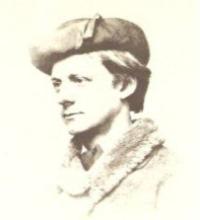
1840 Boston, Massachusetts - 1894 Asbury Park, New Jersey. Known for: Illustrator, Civil War reportorial.
With a long, diverse career as an illustrator, especially of Civil War subjects, Theodore Davis, known as Theo, is said to have "covered more areas of the fighting than any other artist." His work... Read full biography
With a long, diverse career as an illustrator, especially of Civil War subjects, Theodore Davis, known as Theo, is said to have "covered more areas of the fighting than any other artist." His work was highly detailed in documenting people and places, and much of it resulted from hurried notes he... Read full biography
With a long, diverse career as an illustrator, especially of Civil War subjects, Theodore Davis, known as Theo, is said to have "covered more areas of the fighting than any other artist." His work was highly detailed in documenting people and places, and much of it resulted from hurried notes he took during battles. He was wounded twice and had his horse shot out from under him. In his Civil War reporting, he worked for Harper's, but traveled with William H. Russell, a neutral British... Read full biography
With a long, diverse career as an illustrator, especially of Civil War subjects, Theodore Davis, known as Theo, is said to have "covered more areas of the fighting than any other artist." His work was highly detailed in documenting people and places, and much of it resulted from hurried notes he took during battles. He was wounded twice and had his horse shot out from under him. In his Civil War reporting, he worked for Harper's, but traveled with William H. Russell, a neutral British journalist, and told people he was an artist for the Illustrated London News. This way, he also served as a spy for the North because he learned much about Southern weaponry. Sometimes he was in the center of the action, especially when he traveled with... Read full biography
With a long, diverse career as an illustrator, especially of Civil War subjects, Theodore Davis, known as Theo, is said to have "covered more areas of the fighting than any other artist." His work was highly detailed in documenting people and places, and much of it resulted from hurried notes he took during battles. He was wounded twice and had his horse shot out from under him. In his Civil War reporting, he worked for Harper's, but traveled with William H. Russell, a neutral British journalist, and told people he was an artist for the Illustrated London News. This way, he also served as a spy for the North because he learned much about Southern weaponry. Sometimes he was in the center of the action, especially when he traveled with General Grant's staff at the Vicksburg campaign and was part of General Sherman's March to the Sea. After the War, he continued reportorial wo... Read full biography
Artist Biography
Biography page for Theodore Russell Davis ((1840 - 1894)), known for Illustrator, Civil War reportorial. Showing 2 biographical entries and 0 sample artworks.
Theodore Russell Davis - Artist Info
About Theodore Russell Davis
Biography from the Archives of askART
 Born Boston, 1840; died Asbury Park, NJ, Nov. 10, 1894. Illustrator. Instructed in drawing and wood engraving. Joined Harper's Weekly as an illustrator in 1861. Prolific Civil War Artist. Made a trip west in 1865 by way of Louisiana, Texas and Kansas then went by stage to Denver and on to Santa Fe.
His sketches were published in Harper's. In approximately 1867 he was invited by General Hancock to accompany the Indian expedition in Kansas. A number of sketches of Kansas scenes are known from this trip.Biography from the Archives of askART
 With a long, diverse career as an illustrator, especially of Civil War subjects, Theodore Davis, known as Theo, is said to have "covered more areas of the fighting than any other artist." His work was highly detailed in documenting people and places, and much of it resulted from hurried notes he took during battles. He was wounded twice and had his horse shot out from under him.
In his Civil War reporting, he worked for Harper's, but traveled with William H. Russell, a neutral British journalist, and told people he was an artist for the Illustrated London News. This way, he also served as a spy for the North because he learned much about Southern weaponry. Sometimes he was in the center of the action, especially when he traveled with General Grant's staff at the Vicksburg campaign and was part of General Sherman's March to the Sea.
After the War, he continued reportorial work for Harper's, recording Southern reconstruction and travelling extensively in the Far West. He was one of the first artists to document the Sioux Indians, and in 1865, helped fight against one of their attacks on an Overland Stage leaving Atchison, Kansas. He was with General Custer in 1867 and traveled with Hancock's Indian Expedition in 1867. Towards the end of his career, he retired to Asbury Park, New Jersey to do free-lance work. He was a consultant on cyclorama painting projects and for the July, 1889 issue of St. Nicholas magazine, wrote a treatise titled How a Battle is Sketched.
Source:
"The Illustrator in America", 1860-2000, by Walt Reed
"Who Was Who in American Art" by Peter Falk