Page loaded successfully. Showing biography for Tilly Kettle.
Tilly Kettle BIOGRAPHY
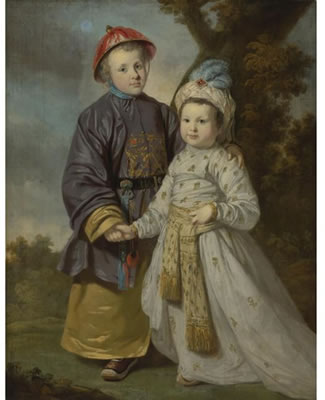
1734 - 1786. Known for: Portrait painting of aristocrats.
In 1768, Tilly Kettle sailed to India with the British East India Company, landing at Madras (now Chennai), where he remained for two years. There, he painted Lord Pigot and Muhammad Ali Khan twice... Read full biography
In 1768, Tilly Kettle sailed to India with the British East India Company, landing at Madras (now Chennai), where he remained for two years. There, he painted Lord Pigot and Muhammad Ali Khan twice (once alone and once with five of his sons). He also painted non-portraits, including Dancing Girls... Read full biography
In 1768, Tilly Kettle sailed to India with the British East India Company, landing at Madras (now Chennai), where he remained for two years. There, he painted Lord Pigot and Muhammad Ali Khan twice (once alone and once with five of his sons). He also painted non-portraits, including Dancing Girls (Blacks) in 1772 and a suttee scene in 1776 entitled, The ceremony of a gentoo woman taking leave of her relations and distributing her jewels prior to ascending the funeral pyre of her deceased... Read full biography
In 1768, Tilly Kettle sailed to India with the British East India Company, landing at Madras (now Chennai), where he remained for two years. There, he painted Lord Pigot and Muhammad Ali Khan twice (once alone and once with five of his sons). He also painted non-portraits, including Dancing Girls (Blacks) in 1772 and a suttee scene in 1776 entitled, The ceremony of a gentoo woman taking leave of her relations and distributing her jewels prior to ascending the funeral pyre of her deceased husband. In 1770 Kettle painted a half-length portrait of 'Sir' Levett Hanson, a peripatetic writer on European knighthood and chivalry originally from Yorkshire. (The portrait is now in the collection of the Bury St Edmunds Manor House Museum. Kettle... Read full biography
In 1768, Tilly Kettle sailed to India with the British East India Company, landing at Madras (now Chennai), where he remained for two years. There, he painted Lord Pigot and Muhammad Ali Khan twice (once alone and once with five of his sons). He also painted non-portraits, including Dancing Girls (Blacks) in 1772 and a suttee scene in 1776 entitled, The ceremony of a gentoo woman taking leave of her relations and distributing her jewels prior to ascending the funeral pyre of her deceased husband. In 1770 Kettle painted a half-length portrait of 'Sir' Levett Hanson, a peripatetic writer on European knighthood and chivalry originally from Yorkshire. (The portrait is now in the collection of the Bury St Edmunds Manor House Museum. Kettle moved on to Calcutta (now Kolkata) in 1771 and painted Shuja ud-Daula and Dancing-Girl Holding the Stem of a... Read full biography
Artist Biography
Biography page for Tilly Kettle ((1734 - 1786)), known for Portrait painting of aristocrats. Showing 1 biographical entries and 0 sample artworks.
Tilly Kettle - Artist Info
About Tilly Kettle
Biography
In 1768, Tilly Kettle sailed to India with the British East India Company, landing at Madras (now Chennai), where he remained for two years. There, he painted Lord Pigot and Muhammad Ali Khan twice (once alone and once with five of his sons). He also painted non-portraits, including Dancing Girls (Blacks) in 1772 and a suttee scene in 1776 entitled, The ceremony of a gentoo woman taking leave of her relations and distributing her jewels prior to ascending the funeral pyre of her deceased husband.
In 1770 Kettle painted a half-length portrait of 'Sir' Levett Hanson, a peripatetic writer on European knighthood and chivalry originally from Yorkshire. (The portrait is now in the collection of the Bury St Edmunds Man...But wait, there's more...
Displaying 1,160 of 1,144 characters.
Subscriber Members, please Sign In for full artist biographies and all services.
For non-paying users, good news! Full text bios for all artists are available every Friday.
If you are not currently a member, please See Details about membership.