Page loaded successfully. Showing biography for William Huddle.
William Huddle BIOGRAPHY
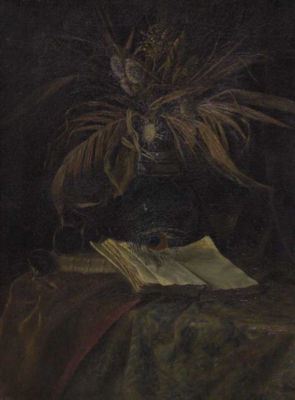
1847 Wytheville, Virginia - 1892 probably Austin, Texas. Known for: Portrait, historical, landscape.
The following biography is based on a draft of a manuscript titled WILLIAM HENRY HUDDLE, HIS FRIENDS AND CLASSMATES, by Skipper Steely of Paris, Texas:. Over 700 visitors per day walk into the Texas... Read full biography
The following biography is based on a draft of a manuscript titled WILLIAM HENRY HUDDLE, HIS FRIENDS AND CLASSMATES, by Skipper Steely of Paris, Texas:. Over 700 visitors per day walk into the Texas Capitols south entrance in Austin, look to the left, and are struck by the huge William Henry Huddle... Read full biography
The following biography is based on a draft of a manuscript titled WILLIAM HENRY HUDDLE, HIS FRIENDS AND CLASSMATES, by Skipper Steely of Paris, Texas:. Over 700 visitors per day walk into the Texas Capitols south entrance in Austin, look to the left, and are struck by the huge William Henry Huddle "Surrender of Santa Anna" painting. To the right is a large portrait of Alamo defender Davey Crockett, also by Huddle. In fact, as guests roam the Texas pink granite building, they see twenty-nine... Read full biography
The following biography is based on a draft of a manuscript titled WILLIAM HENRY HUDDLE, HIS FRIENDS AND CLASSMATES, by Skipper Steely of Paris, Texas:. Over 700 visitors per day walk into the Texas Capitols south entrance in Austin, look to the left, and are struck by the huge William Henry Huddle "Surrender of Santa Anna" painting. To the right is a large portrait of Alamo defender Davey Crockett, also by Huddle. In fact, as guests roam the Texas pink granite building, they see twenty-nine other works by Huddle hung on the walls. Up and then around the rotunda are a set of the Republic of Texas presidents, and the first 17 governors who served after the country was annexed into the Union in 1846. The House and Senate chambers also have... Read full biography
The following biography is based on a draft of a manuscript titled WILLIAM HENRY HUDDLE, HIS FRIENDS AND CLASSMATES, by Skipper Steely of Paris, Texas:. Over 700 visitors per day walk into the Texas Capitols south entrance in Austin, look to the left, and are struck by the huge William Henry Huddle "Surrender of Santa Anna" painting. To the right is a large portrait of Alamo defender Davey Crockett, also by Huddle. In fact, as guests roam the Texas pink granite building, they see twenty-nine other works by Huddle hung on the walls. Up and then around the rotunda are a set of the Republic of Texas presidents, and the first 17 governors who served after the country was annexed into the Union in 1846. The House and Senate chambers also have paintings by him as does the Secretary of States office and the law library. Who is this artist, and just why does he so dominate... Read full biography
Artist Biography
Biography page for William Huddle ((1847 - 1892)), known for Portrait, historical, landscape. Showing 1 biographical entries and 0 sample artworks.
William Huddle - Artist Info
About William Huddle
Name variants
William Henry Huddell
Biography from the Archives of askART
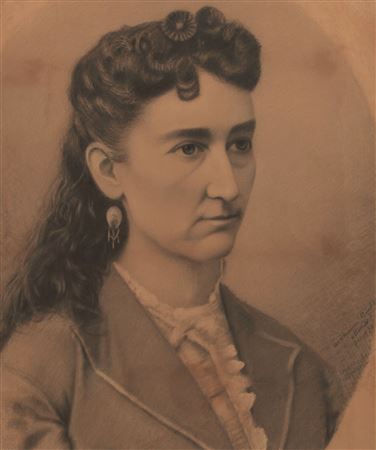 The following biography is based on a draft of a manuscript titled WILLIAM HENRY HUDDLE, HIS FRIENDS AND CLASSMATES, by Skipper Steely of Paris, Texas:
Over 700 visitors per day walk into the Texas Capitols south entrance in Austin, look to the left, and are struck by the huge William Henry Huddle "Surrender of Santa Anna" painting. To the right is a large portrait of Alamo defender Davey Crockett, also by Huddle. In fact, as guests roam the Texas pink granite building, they see twenty-nine other works by Huddle hung on the walls.
Up and then around the rotunda are a set of the Republic of Texas presidents, and the first 17 governors who served after the country was annexed into the Union in 1846. The House and Senate chambers also have paintings by him as does the Secretary of States office and the law library.
Who is this artist, and just why does he so dominate the inventory in the old building? In addition, four of his works hang across the street in the Governors Mansion. He has had works on the University of Texas campus located at the Harry Ransom Center.
His works are not acclaimed by teachers, instructors or art lovers in Austin or on the nearby University of Texas campus. In fact, in 1997, after reading over a rough manuscript on this late Virginian turned Texan, a reviewer said ". . . Huddle was not a very good artist . . ." The comments continued into a series of questions: What was his vision? What was he trying to do? Did he accomplish it? Did he glorify successfully the history of Texas?
The answers are elusive as no letters or memoirs relate his first hand thoughts on those questions. But, after years of study about his life, it appears to me his art quality does not seem the most exciting thing about his contribution. His style was fairly realistic, clear and simple to understand, and appealing to many other artist contemporaries who, although they enjoyed art, were basically attempting to earn a living through their talent.
In Huddles case, he was an enjoyable, rowdy member of Austins society, with a passion to paint. His most frequent subjects were people, but occasionally he went to the hills and did landscapes.
The reviewers comments concluded, "You can do nothing about the quality of Huddles work, but that does not diminish its importance to Texas history." As for his dominance over other fine artists who wanted their work purchased by some governmental entity, it was luck and whom he knew that caused the capitol projects to fall onto Huddles easel. Huddle won the contract more likely because he had made friends in Austin who had the right contacts, while fierce competitors Henry McArdle and Robert Onderdonk did not have those extensive contacts.
The first capitol building burned down in 1880 while Huddle was in the initial stages of his research of Republic of Texas presidents and governors. When the rebuilding committee decided to construct with Texas pink granite instead of sand stone, the decision was to hang more paintings and have fewer sculptures than originally planned.
In his personal life, Huddle enjoyed drinking, talking and partying and was more "manly" than many of his artist peers, being large, an expert shot, and not afraid to stand his ground in any discussion. Still, his work is not crude. It was trained both by study along side his cousin, Philadelphia-trained Flavius Josephus Fisher of Lynchburg and Richmond, Virginia, and by the better part of three years spent in New York City. After the Civil War he spent three years with Fisher in Lynchburg, Virginia, and then three with his parents and relatives in Paris, Texas, before heading east.
Gunsmithing and working with jewelry were professions of his family, and he worked at this when artistry did not get in the way! A Lynchburg fire destroyed all his past work left in Fishers studio, but he did bring to Texas with him a self portrait done with Fishers dog. He began to earn money by painting portraits of the many Texas history figures in Paris. For instance, three of the eight 1861 Secession Convention members who voted not to leave the Union lived in Paris. Other Civil War figures were in the city, and one man who dodged death at the massacre of Goliad was a subject.
Gathering up a substantial amount of financial support from Parisians, Huddle entered the world of "real" artistry by enrolling in the National Academy of Design in New York City. His first class began October 26, 1874. Around him were future artists whose names quickly bring up samples of their works on the internet. They comprise a nice role of "Whos Was Who" of American art of that time and include the President of the NAD in 1874, Thomas Worthington Whittredge, a veteran of three trips to the far west to sketch work possibilities.
Huddle enrolled into both the antique and life classes, but little did he realize that the NAD was in dire financial straits, a condition that would split the training artists and teachers in less than eight months. During his first year at the NAD Huddle studied with Walter Shirlaw and the instructor, Lemuel Wilmarth, the first paid teacher at the NAD.
When NAD classes closed in May of 1875, about 70 students met with Wilmarth at his Tenth Street Studio Building location. On May 24, the group decided to create a fee-oriented Arts Students League, but Wilmarth would not receive pay. The ASL would be run by students, unlike the NADs long tradition of being teacher dominated.
Huddle apparently remained with the NAD that fall, but signed on with the ASL December 2, 1875 and was in classes by that February. By the next fall 135 students were crowding the quickly expanding facilities. Most likely Huddle remained through the spring session of 1876-77, because the Austin "American Statesman" referred to him moving to central Texas by June 19, 1877.
Huddle died just as he was preparing an exhibit of several works for the Chicago Worlds Columbian Exposition in the spring of 1893. His chance to widen an appeal for his work vanished.
While Huddle today is not considered an artist of note, a writer for the "Austin Statesman" in September of 1877 was excited about the the "exceptional" artist in town. His article stated that Huddles portrait of Governor Hubbard, on display at a local bookstore, ". . . is no blackwood daub in charcoal or pretty whitewashed picture; but the very man himself." Indeed, Huddle had his fans!