Page loaded successfully. Showing biography for William Quiller Orchardson.
William Quiller Orchardson BIOGRAPHY
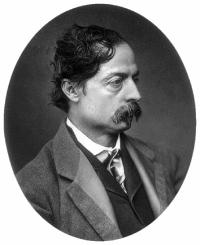
1832 Edinburgh, Scotland - 1910. Known for: Portrait, interiors, figures, genre and history painting.
Sir William Quiller Orchardson (b. 1832-1910) . Born in Edinburgh, he attended The Trustees' Academy from 1845 aged thirteen. By the age of sixteen, his first painting had been exhibited at The Royal... Read full biography
Sir William Quiller Orchardson (b. 1832-1910) . Born in Edinburgh, he attended The Trustees' Academy from 1845 aged thirteen. By the age of sixteen, his first painting had been exhibited at The Royal Scottish Academy (Edinburgh). By the end of his career, he had been knighted, become a prominent... Read full biography
Sir William Quiller Orchardson (b. 1832-1910) . Born in Edinburgh, he attended The Trustees' Academy from 1845 aged thirteen. By the age of sixteen, his first painting had been exhibited at The Royal Scottish Academy (Edinburgh). By the end of his career, he had been knighted, become a prominent Royal Academician, an Honorary member of the Royal Scottish Academy, a Chevalier of the Légion d`Honneur, and had been awarded an Honorary Doctorate of Law at Oxford University. By way of a memorial, a... Read full biography
Sir William Quiller Orchardson (b. 1832-1910) . Born in Edinburgh, he attended The Trustees' Academy from 1845 aged thirteen. By the age of sixteen, his first painting had been exhibited at The Royal Scottish Academy (Edinburgh). By the end of his career, he had been knighted, become a prominent Royal Academician, an Honorary member of the Royal Scottish Academy, a Chevalier of the Légion d`Honneur, and had been awarded an Honorary Doctorate of Law at Oxford University. By way of a memorial, a copy of the 1895 portrait bust by Edward Onslow Ford was acquired by public subscription for The Tate Gallery and a plaque was installed in the crypt of St Paul`s Cathedral. In 1862, Orchardson moved to London and quickly made a huge impact on the... Read full biography
Sir William Quiller Orchardson (b. 1832-1910) . Born in Edinburgh, he attended The Trustees' Academy from 1845 aged thirteen. By the age of sixteen, his first painting had been exhibited at The Royal Scottish Academy (Edinburgh). By the end of his career, he had been knighted, become a prominent Royal Academician, an Honorary member of the Royal Scottish Academy, a Chevalier of the Légion d`Honneur, and had been awarded an Honorary Doctorate of Law at Oxford University. By way of a memorial, a copy of the 1895 portrait bust by Edward Onslow Ford was acquired by public subscription for The Tate Gallery and a plaque was installed in the crypt of St Paul`s Cathedral. In 1862, Orchardson moved to London and quickly made a huge impact on the London art scene and the Royal Academy. Orchardson's subject matter changed from Scottish sce... Read full biography
Artist Biography
Biography page for William Quiller Orchardson ((1832 - 1910)), known for Portrait, interiors, figures, genre and history painting. Showing 1 biographical entries and 0 sample artworks.
William Quiller Orchardson - Artist Info
About William Quiller Orchardson
Name variants
Sir William Quiller Orchardson
Biography from McTear's
Sir William Quiller Orchardson (b. 1832-1910)
Born in Edinburgh, he attended The Trustees' Academy from 1845 aged thirteen. By the age of sixteen, his first painting had been exhibited at The Royal Scottish Academy (Edinburgh). By the end of his career, he had been knighted, become a prominent Royal Academician, an Honorary member of the Royal Scottish Academy, a Chevalier of the Légion d`Honneur, and had been awarded an Honorary Doctorate of Law at Oxford University. By way of a memorial, a copy of the 1895 portrait bust by Edward Onslow Ford was acquired by public subscription for The Tate Gallery and a plaque was installed in the crypt of St Paul`s Cathedral.
In 1862, Orchardson moved to London and quickly made a huge impact on the London art scene and the Royal Academy. Orchardson's subject matter changed from Scottish scenes of historical everyday life, to literary themes from writers such as Sir Walter Scott, Charles Dickens and Harriet Beecher Stowe. He became famous for his portraits and period or contemporary set-pieces and shied away from landscape painting in favor of working from his studio. He developed his own unique style with a very thin application of paint in warm earthy shades on to a dry white ground that gives an overall yellow tone. He worked very carefully but with a quick application of the paint. Orchardson's subjects were undemanding and their anecdotal elements were extraordinarily popular with Victorians who each year "flocked to the Royal Academy to see his paintings".
He became more successful than any of his Scottish predecessors both in Britain and in France. His work was publicly admired by the Impressionist Edgar Degas (1834 - 1917) and in the early days, the American artist James Abbott McNeill Whistler (1834 - 1903) took it upon himself to raise Orchardson's profile in England.
Orchardson`s most famous paintings include Napoleon on board the Bellerophon, (acquired for The National Collection by the Trustees of the Chantrey Bequest for Tate), Voltaire (National Galleries Scotland), Mariage de Convenance (Glasgow Museums & Galleries), The Salon of Madame Récamier; After" ( the sequel to the Mariage de Convenance), A Tender Chord, Her First Dance (Tate), Master Baby (National Galleries Scotland), A Social Eddy (Aberdeen) The First Cloud (Tate), Her Mother`s Voice (Tate), The Portrait of Lady Orchardson (The Barber Institute) and The Young Duke (Lady Lever Art Gallery) to which the Royal Academy hanging committee awarded the primary position in the entire 1889 RA Exhibition in preference to the principal offering of Frederic Lord Leighton, another great favorite of the day.
Collections:
More than one hundred of Orchardson's paintings are held in UK National Collections including The Royal Collection, The Palace of Westminster, The UK Government Collection, The Tate, The National Gallery, The National Gallery of Scotland, The National Portrait Gallery, The Hunterian and at Glasgow, Aberdeen, Dundee, Ulster, Kirkcaldy, Liverpool, Manchester, Sheffield, Bolton, Paisley, Middlesborough, Nottingham, Birmingham and Southampton. Beyond the UK, The Musée d`Orsay (Paris), The Uffizi Museum (Florence), The Beaverbrook Gallery (Canada), The NGV (Australia), The Royal Museums (Belgium) and notable others hold examples of his work.