Page loaded successfully. Showing biography for William T Wiley.
William T Wiley BIOGRAPHY
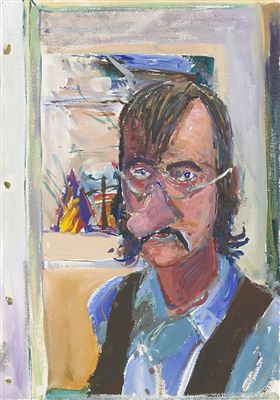
1937 Bedford, Indiana - 2021 Greenbrae, California. Known for: Abstraction, funk art,caligraphy, teaching.
A significant figure in the Bay Area Figurative movement of the San Francisco, Oakland, California area, William Wiley along with Robert Arneson is regarded as a pivotal artist in the transition... Read full biography
A significant figure in the Bay Area Figurative movement of the San Francisco, Oakland, California area, William Wiley along with Robert Arneson is regarded as a pivotal artist in the transition between the Funk Art of the 1950s rooted in Abstract Expressionism and the more self-conscious, overt... Read full biography
A significant figure in the Bay Area Figurative movement of the San Francisco, Oakland, California area, William Wiley along with Robert Arneson is regarded as a pivotal artist in the transition between the Funk Art of the 1950s rooted in Abstract Expressionism and the more self-conscious, overt Funk Art that followed. He was also a popular teacher at the University of California at Davis. Reviewer Hilton Kramer in 1971 referred to Wiley's work as "Dude Ranch Dada," and he became the leading... Read full biography
A significant figure in the Bay Area Figurative movement of the San Francisco, Oakland, California area, William Wiley along with Robert Arneson is regarded as a pivotal artist in the transition between the Funk Art of the 1950s rooted in Abstract Expressionism and the more self-conscious, overt Funk Art that followed. He was also a popular teacher at the University of California at Davis. Reviewer Hilton Kramer in 1971 referred to Wiley's work as "Dude Ranch Dada," and he became the leading inspiration for conceptualists who asserted that their life is art. He was anxious to escape what he perceived as the deadly serious, highly self-conscious symbolism of Abstract Expressionism and borrow ideas from many sources including Zen Buddhism.... Read full biography
A significant figure in the Bay Area Figurative movement of the San Francisco, Oakland, California area, William Wiley along with Robert Arneson is regarded as a pivotal artist in the transition between the Funk Art of the 1950s rooted in Abstract Expressionism and the more self-conscious, overt Funk Art that followed. He was also a popular teacher at the University of California at Davis. Reviewer Hilton Kramer in 1971 referred to Wiley's work as "Dude Ranch Dada," and he became the leading inspiration for conceptualists who asserted that their life is art. He was anxious to escape what he perceived as the deadly serious, highly self-conscious symbolism of Abstract Expressionism and borrow ideas from many sources including Zen Buddhism. From Richland, Washington, William Wiley credited his high school art teacher, Jim Mc Grath, with giving focus to his early interest in ar... Read full biography
Artist Biography
Biography page for William T Wiley ((1937 - 2021)), known for Abstraction, funk art,caligraphy, teaching. Showing 1 biographical entries and 0 sample artworks.
William T Wiley - Artist Info
About William T Wiley
Biography from the Archives of askART
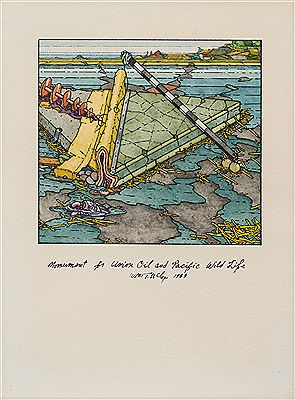 A significant figure in the Bay Area Figurative movement of the San Francisco, Oakland, California area, William Wiley along with Robert Arneson is regarded as a pivotal artist in the transition between the Funk Art of the 1950s rooted in Abstract Expressionism and the more self-conscious, overt Funk Art that followed. He was also a popular teacher at the University of California at Davis.
Reviewer Hilton Kramer in 1971 referred to Wiley's work as "Dude Ranch Dada," and he became the leading inspiration for conceptualists who asserted that their life is art. He was anxious to escape what he perceived as the deadly serious, highly self-conscious symbolism of Abstract Expressionism and borrow ideas from many sources including Zen Buddhism.
From Richland, Washington, William Wiley credited his high school art teacher, Jim Mc Grath, with giving focus to his early interest in art and to encouraging him in the freedoms of Abstract Expressionism and inserting written narrations into his pieces. In the 1960s, he attended the San Francisco Art Institute in the 1960s, and Frank Lobdell at the Art Institute was a major influence. Wiley's early work at the Institute was primarily Abstract Expressionism, but his interest in Indian culture and events from American history led him into symbols and the addition of found or recognizable objects.
As his career continued, Wiley experimented in numerous ways including surrealism and conceptualism and by the late 1960s into free-standing sculptures that combined painting and assemblage and verbal inscriptions and became increasingly complex. One of his pieces was a large ball of electricians tape that was supposed to continue expanding until the Vietnam War came to an end.
William Wiley died in Greenbrae, California in 2021.
Sources include:
Art in America
Thomas Albright, "Art in the San Francisco Bay Area"
The New York Times, Obituary, May 5, 2021