Page loaded successfully. Showing biography for Zhang Huan.
Zhang Huan BIOGRAPHY
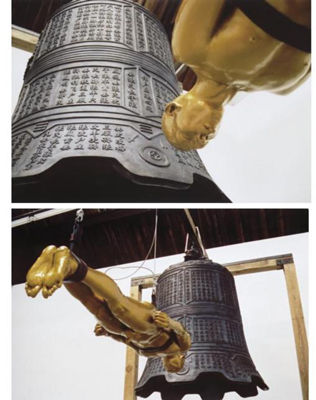
Born 1965 Anyang City, He Nan Province, China. Known for: Performance art, sculpture, painting.
Artist Statement:. About two years ago, I moved back to China from the United States. On my return, I visited the Longhua Temple in Shanghai to burn incense before Buddha. There I noticed many lay... Read full biography
Artist Statement:. About two years ago, I moved back to China from the United States. On my return, I visited the Longhua Temple in Shanghai to burn incense before Buddha. There I noticed many lay Buddhists who spent hours alone with the sculpture of Buddha, muttering prayers; they all seemed to... Read full biography
Artist Statement:. About two years ago, I moved back to China from the United States. On my return, I visited the Longhua Temple in Shanghai to burn incense before Buddha. There I noticed many lay Buddhists who spent hours alone with the sculpture of Buddha, muttering prayers; they all seemed to have entered another state of mind, as though they were hypnotized. I was deeply moved by the power of the sculpture and the allure of such power, attracting people to burn incense and to pray. The... Read full biography
Artist Statement:. About two years ago, I moved back to China from the United States. On my return, I visited the Longhua Temple in Shanghai to burn incense before Buddha. There I noticed many lay Buddhists who spent hours alone with the sculpture of Buddha, muttering prayers; they all seemed to have entered another state of mind, as though they were hypnotized. I was deeply moved by the power of the sculpture and the allure of such power, attracting people to burn incense and to pray. The temple floor was covered with ash which leaked from the giant incense burner. Seeing this image of ash conjured a feeling inside of me: it was a beautiful material and it moved me greatly. These ash remains speak to the fulfillment of millions of hopes,... Read full biography
Artist Statement:. About two years ago, I moved back to China from the United States. On my return, I visited the Longhua Temple in Shanghai to burn incense before Buddha. There I noticed many lay Buddhists who spent hours alone with the sculpture of Buddha, muttering prayers; they all seemed to have entered another state of mind, as though they were hypnotized. I was deeply moved by the power of the sculpture and the allure of such power, attracting people to burn incense and to pray. The temple floor was covered with ash which leaked from the giant incense burner. Seeing this image of ash conjured a feeling inside of me: it was a beautiful material and it moved me greatly. These ash remains speak to the fulfillment of millions of hopes, dreams and blessings. It was here that I finally discovered the ingredient I had been looking for to pave the way... Read full biography
Artist Biography
Biography page for Zhang Huan ((Born 1965)), known for Performance art, sculpture, painting. Showing 2 biographical entries and 0 sample artworks.
Zhang Huan - Artist Info
About Zhang Huan
Name variants
Huan Zhang
Biography from the Archives of askART
 Artist Statement:
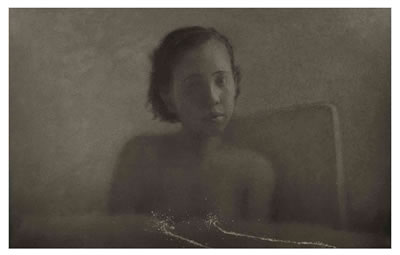
About two years ago, I moved back to China from the United States. On my return, I visited the Longhua Temple in Shanghai to burn incense before Buddha. There I noticed many lay Buddhists who spent hours alone with the sculpture of Buddha, muttering prayers; they all seemed to have entered another state of mind, as though they were hypnotized. I was deeply moved by the power of the sculpture and the allure of such power, attracting people to burn incense and to pray. The temple floor was covered with ash which leaked from the giant incense burner. Seeing this image of ash conjured a feeling inside of me: it was a beautiful material and it moved me greatly. These ash remains speak to the fulfillment of millions of hopes, dreams and blessings. It was here that I finally discovered the ingredient I had been looking for to pave the way for new work.
In most cases, the ash from Buddhist temples is scattered into the sea or lakes, dumped in the woods, or simply buried. When I discovered that in modern times it is processed as garbage, I felt a profound sense of regret and pity. I decided to visit Shanghai's popular Longhua Temple, Yufou Temple, and Jingan Temple, as well as those in my local neighbourhood, in order to collect the ashes and bring them to my studio. To some, ash seems useless and insubstantial; it is a short-lived witness to human spirituality and spiritual practice. To me, it carries unseen sedimentary residue, and tremendous human data about the collective and individual subconscious. As artists and as individuals, we select materials as message-carriers to reconnect with the spiritual world outside of our everyday life.
Incense burning touches and awakens the spiritual impulse embedded deeply in our subconscious. Therefore, the ashes produced already possess a great deal of potential for connecting the human with the spiritual. The task, for me, is to solidify these remains of the spiritual life, and allow this evidence somehow to haunt my pictorial depictions of historical events, people or earthly symbols. I select my imagery carefully and hope that, through this haunting process, it will invite a new examination of our collective awareness and experience. And finally, through this process, the subjects of my ash paintings shall receive blessings and solicitude from the human world. - Zhang Huan (Zhang Huan: Ash, Haunch of Venison, 2007, UK)
Incense ashes are of multi-purpose in China - for worship, wish endowing, or medication; For Zhang Huan, "they are not barely ashes or ingredients. They symbolize a collective spirit, memory, creation, and greeting", or, more precisely put, "solid soul". Zhang brought incense ashes from Jing'an Temple in Shanghai back to his workshop for the first time in 2007, using the different toned ashes to make paintings that resembled old photographs.Biography from the Archives of askART
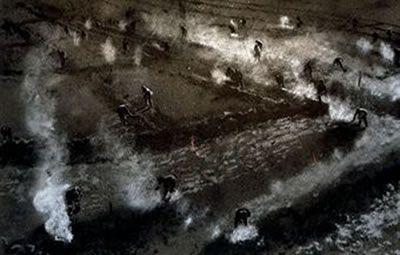 While known primarily for his performances in the early 1990s, which involved feats of physical and psychological endurance, Zhang Huan's recent work has featured sculptures and paintings that explore themes of memory and spirituality and how these relate to Buddhist practice.
The Bhavachakra cycle, or 'Wheel of Life' is observed not only in his spiritual life but in his performances, sculptures and paintings addressing political action and social responsibility. For his first exhibition at White Cube in 2009, Zhang Huan created an installation and series of paintings based on a renowned survivor of the recent earthquake in the Sichuan Province of China, a pig that lived, trapped, for 49 days after the quake, surviving on rainwater, rotten wood and a small amount of foraged feed. His survival was hailed as a miracle and he was given the name 'Zhu Gangqiang' ('Cast - Iron - Pig').
According to Buddhist scripture, 49 days is the amount of time that a soul remains on earth between death and transmigration. The pig's fortitude resonated with Zhang Huan, who drew broad parallels with his own narrative as both outsider and survivor, while the drive to persevere and retain hope, even under extreme pressure, recalls the spirit of Zhang in his early performance art. Using incense ash from Buddhist temples as his medium, he created a series of paintings on linen honouring Zhu Gangqiang. along with a number of vanitas paintings featuring skulls. Both groups of work celebrate the fleeting, sometimes heroic, nature of existence and the quiet, inevitability of the life cycle.
Zhang Huan was born in 1965 in Anyang City, Henan Province, and lives and works in Shanghai, China. From 1998 to 2005, he lived in New York, where he gained international recognition. He has had solo exhibitions at the Asia Society, New York, Vancouver Art Gallery, the Norton Museum of Art, Florida and Shanghai Art Museum, and has featured in numerous group exhibitions including the Whitney Biennial in 2002. In September 2009, he directed his first opera, Semele (by George Frideric Handel) in Brussels and Beijing, and the following year, participated in the Shanghai World Expo.
Source:
White Cube Gallery
http://www.whitecube.com/artists/zhang-huan/