Albert Decker PRICE CHARTS
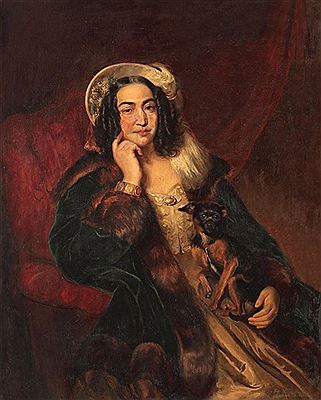
1817 - 1871. Known for: Biedermeier portrait painting.
Albert Decker was a portrait painter born in 1817, who worked with his father and brothers in Vienna during the mid-nineteenth century. He became known for his skill in Biedermeier portrait painting,... Read full biography
Albert Decker was a portrait painter born in 1817, who worked with his father and brothers in Vienna during the mid-nineteenth century. He became known for his skill in Biedermeier portrait painting, which was popular among the booming bourgeoisie of post-Napoleonic Europe. Decker's portrait of a... Read full biography
Albert Decker was a portrait painter born in 1817, who worked with his father and brothers in Vienna during the mid-nineteenth century. He became known for his skill in Biedermeier portrait painting, which was popular among the booming bourgeoisie of post-Napoleonic Europe. Decker's portrait of a lady, part of the Manu historical collection, is an example of the Biedermeier style and shows a member of the new social class that ordered portraits of themselves. The limited information about the... Read full biography
Albert Decker was a portrait painter born in 1817, who worked with his father and brothers in Vienna during the mid-nineteenth century. He became known for his skill in Biedermeier portrait painting, which was popular among the booming bourgeoisie of post-Napoleonic Europe. Decker's portrait of a lady, part of the Manu historical collection, is an example of the Biedermeier style and shows a member of the new social class that ordered portraits of themselves. The limited information about the portrait does not allow for an exact identification of the subject, but it is assumed to be a result of an exact order given to Decker. He also made a portrait of Mihail Sturdza, the ruler of Moldavia, in 1840
Albert Decker was a portrait painter born in 1817, who worked with his father and brothers in Vienna during the mid-nineteenth century. He became known for his skill in Biedermeier portrait painting, which was popular among the booming bourgeoisie of post-Napoleonic Europe. Decker's portrait of a lady, part of the Manu historical collection, is an example of the Biedermeier style and shows a member of the new social class that ordered portraits of themselves. The limited information about the portrait does not allow for an exact identification of the subject, but it is assumed to be a result of an exact order given to Decker. He also made a portrait of Mihail Sturdza, the ruler of Moldavia, in 1840