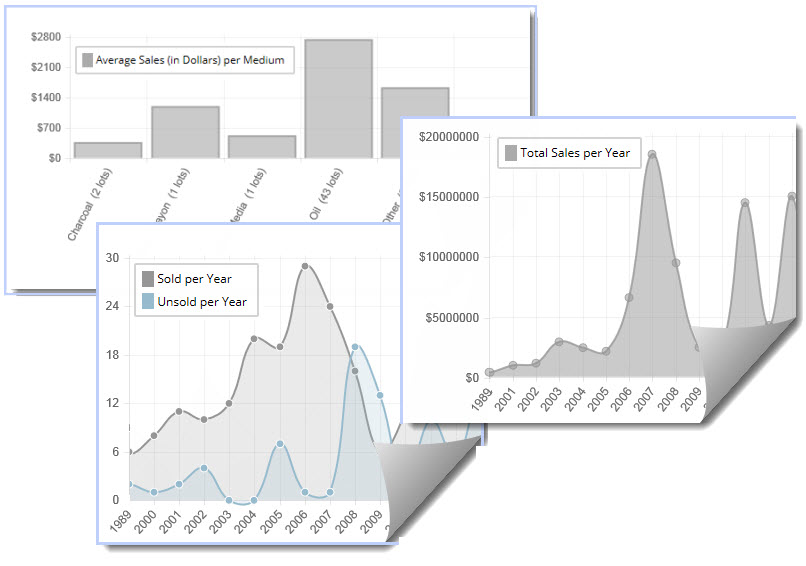
Alexandre Volkov PRICE CHARTS
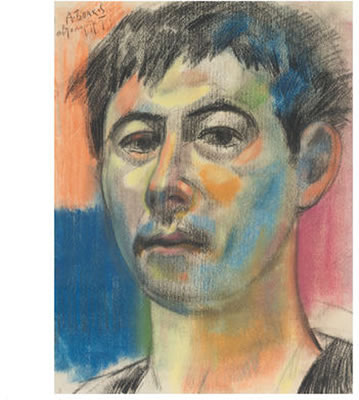
1886 - 1957. Known for: Painting.
In Volkov's artistic biography, 1944 was a period of intensive work and fruitful communication with important artists, in particular with Alexander Tyshler, who withdrew to Tashkent with the Jewish... Read full biography
In Volkov's artistic biography, 1944 was a period of intensive work and fruitful communication with important artists, in particular with Alexander Tyshler, who withdrew to Tashkent with the Jewish theatre of Solomon Mikhoels; Volkov was also in touch with Alexander Labas and Mikhail Chemyakin, a... Read full biography
In Volkov's artistic biography, 1944 was a period of intensive work and fruitful communication with important artists, in particular with Alexander Tyshler, who withdrew to Tashkent with the Jewish theatre of Solomon Mikhoels; Volkov was also in touch with Alexander Labas and Mikhail Chemyakin, a student of Serov and Korovin. Volkov wielded considerable authority during this period: he was elected Chairman of the Picture Department and board member of the Union of Artists of Uzbekistan; he... Read full biography
In Volkov's artistic biography, 1944 was a period of intensive work and fruitful communication with important artists, in particular with Alexander Tyshler, who withdrew to Tashkent with the Jewish theatre of Solomon Mikhoels; Volkov was also in touch with Alexander Labas and Mikhail Chemyakin, a student of Serov and Korovin. Volkov wielded considerable authority during this period: he was elected Chairman of the Picture Department and board member of the Union of Artists of Uzbekistan; he taught at the School of Arts and was also awarded the medal 'For Heroism in Work'. It was during this 'thaw' in the political atmosphere that Volkov gained more recognition for his achievements and yet, shortly after the war which heralded an end to the... Read full biography
In Volkov's artistic biography, 1944 was a period of intensive work and fruitful communication with important artists, in particular with Alexander Tyshler, who withdrew to Tashkent with the Jewish theatre of Solomon Mikhoels; Volkov was also in touch with Alexander Labas and Mikhail Chemyakin, a student of Serov and Korovin. Volkov wielded considerable authority during this period: he was elected Chairman of the Picture Department and board member of the Union of Artists of Uzbekistan; he taught at the School of Arts and was also awarded the medal 'For Heroism in Work'. It was during this 'thaw' in the political atmosphere that Volkov gained more recognition for his achievements and yet, shortly after the war which heralded an end to the thaw, Volkov was forced to step down from his high positions and his post at the school and was confined to isolation for... Read full biography