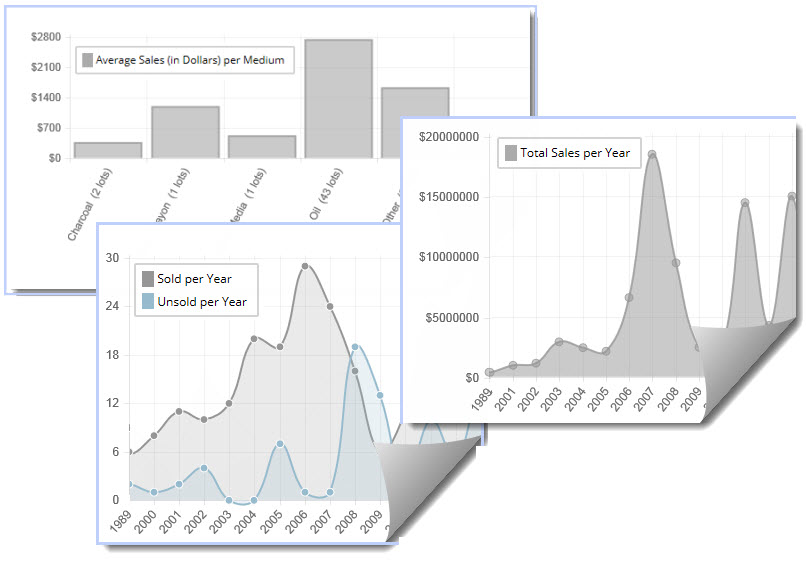
BaekRyun Huh PRICE CHARTS

1891 - 1977. Known for: Painting.
Uijae Heo Baek-ryeon was an Oriental painter who continued the lineage of the Yangcheon Heo clan, represented by Sochi Heo Ryeon. In 1913, he traveled to Japan and stayed in Tokyo for about six... Read full biography
Uijae Heo Baek-ryeon was an Oriental painter who continued the lineage of the Yangcheon Heo clan, represented by Sochi Heo Ryeon. In 1913, he traveled to Japan and stayed in Tokyo for about six years, where he studied under Komuro Suiun, a leading Nanji painter of the time. After returning to... Read full biography
Uijae Heo Baek-ryeon was an Oriental painter who continued the lineage of the Yangcheon Heo clan, represented by Sochi Heo Ryeon. In 1913, he traveled to Japan and stayed in Tokyo for about six years, where he studied under Komuro Suiun, a leading Nanji painter of the time. After returning to Korea, he moved to Seoul in 1922 and gained significant attention by winning an award for his traditional landscape painting at the 1st Joseon Art Exhibition. He consistently participated in the exhibition... Read full biography
Uijae Heo Baek-ryeon was an Oriental painter who continued the lineage of the Yangcheon Heo clan, represented by Sochi Heo Ryeon. In 1913, he traveled to Japan and stayed in Tokyo for about six years, where he studied under Komuro Suiun, a leading Nanji painter of the time. After returning to Korea, he moved to Seoul in 1922 and gained significant attention by winning an award for his traditional landscape painting at the 1st Joseon Art Exhibition. He consistently participated in the exhibition until 1927, after which he returned to his hometown and settled in Gwangju, South Jeolla Province, where he devoted himself to training the next generation of artists. He inherited the traditional landscape style of literati painting and Southern... Read full biography
Uijae Heo Baek-ryeon was an Oriental painter who continued the lineage of the Yangcheon Heo clan, represented by Sochi Heo Ryeon. In 1913, he traveled to Japan and stayed in Tokyo for about six years, where he studied under Komuro Suiun, a leading Nanji painter of the time. After returning to Korea, he moved to Seoul in 1922 and gained significant attention by winning an award for his traditional landscape painting at the 1st Joseon Art Exhibition. He consistently participated in the exhibition until 1927, after which he returned to his hometown and settled in Gwangju, South Jeolla Province, where he devoted himself to training the next generation of artists. He inherited the traditional landscape style of literati painting and Southern School painting, a tradition that was passed down to his various disciples, including Lee Beom-jae, Gu Cheol-u, and Kim Ok-jin. Immediately afte... Read full biography