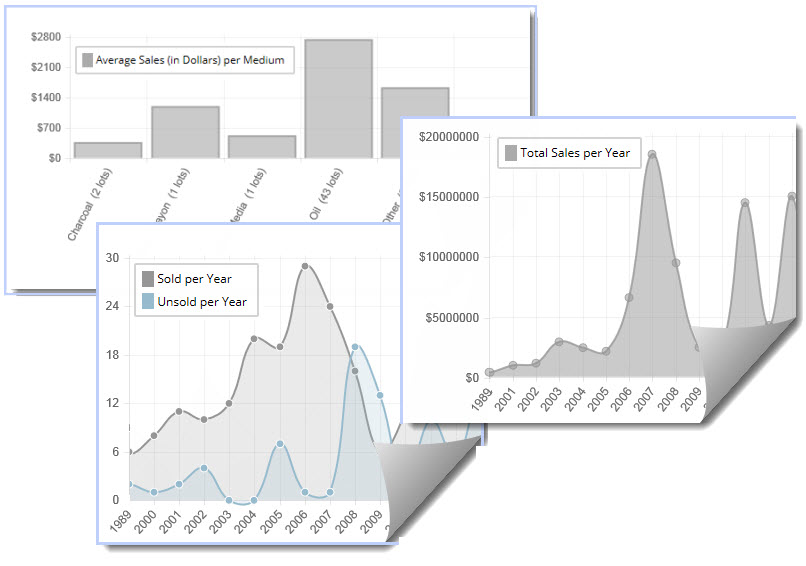
Carl Johan Geer PRICE CHARTS
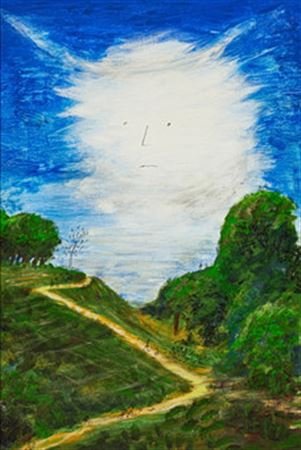
Born 1938 Fodd. Known for: Paintings.
Carl Johan De Geer is a Swedish artist known for his work in painting, design, photography, and writing. He was educated at Konstfack from 1959-1962 and emerged as one of the leading figures among... Read full biography
Carl Johan De Geer is a Swedish artist known for his work in painting, design, photography, and writing. He was educated at Konstfack from 1959-1962 and emerged as one of the leading figures among the transgressive artists of the 1960s. De Geer, along with others, used the magazine "Puss" as a... Read full biography
Carl Johan De Geer is a Swedish artist known for his work in painting, design, photography, and writing. He was educated at Konstfack from 1959-1962 and emerged as one of the leading figures among the transgressive artists of the 1960s. De Geer, along with others, used the magazine "Puss" as a platform for engaging with society in a satirical and outrageous style. His exhibitions often feature entire scenographies, incorporating various art forms such as textile patterns, kitsch paintings,... Read full biography
Carl Johan De Geer is a Swedish artist known for his work in painting, design, photography, and writing. He was educated at Konstfack from 1959-1962 and emerged as one of the leading figures among the transgressive artists of the 1960s. De Geer, along with others, used the magazine "Puss" as a platform for engaging with society in a satirical and outrageous style. His exhibitions often feature entire scenographies, incorporating various art forms such as textile patterns, kitsch paintings, memory images, films, and novels that blur the lines between modernism and pop culture.
Carl Johan De Geer is a Swedish artist known for his work in painting, design, photography, and writing. He was educated at Konstfack from 1959-1962 and emerged as one of the leading figures among the transgressive artists of the 1960s. De Geer, along with others, used the magazine "Puss" as a platform for engaging with society in a satirical and outrageous style. His exhibitions often feature entire scenographies, incorporating various art forms such as textile patterns, kitsch paintings, memory images, films, and novels that blur the lines between modernism and pop culture.