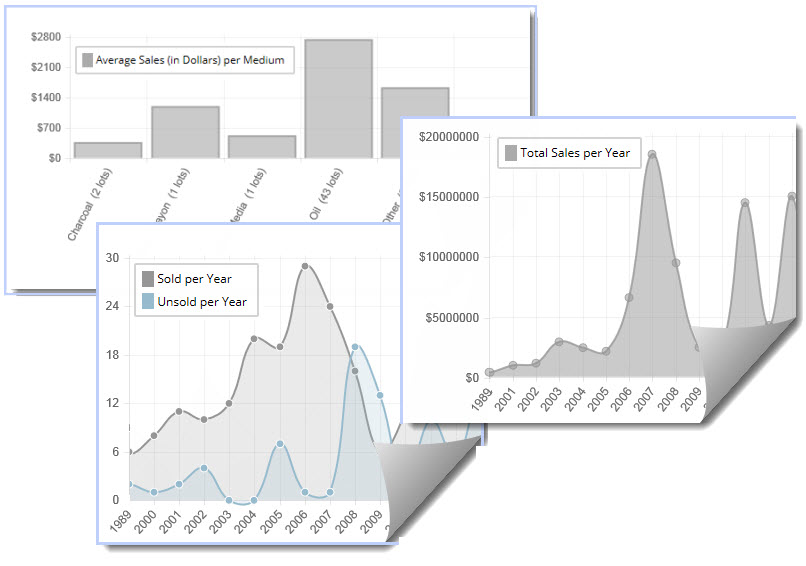
Carl Spitzweg PRICE CHARTS
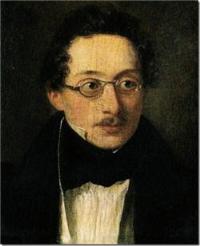
1808 Munich, Germany - 1885 Munich, Germany. Known for: Figure, provincial genre, landscape painting.
German painter Carl Spitzweg is considered one of the foremost artists of the Biedermeier era, a transitional period spanning the three decades between the Congress of Vienna (1815) and the... Read full biography
German painter Carl Spitzweg is considered one of the foremost artists of the Biedermeier era, a transitional period spanning the three decades between the Congress of Vienna (1815) and the Revolution of 1848. The Biedermeier era celebrated simple, middle-class sensibilities and the importance of... Read full biography
German painter Carl Spitzweg is considered one of the foremost artists of the Biedermeier era, a transitional period spanning the three decades between the Congress of Vienna (1815) and the Revolution of 1848. The Biedermeier era celebrated simple, middle-class sensibilities and the importance of family and community, not the emotionally-heightened individualistic experiences preached by the Romantics. Spitzweg, in particular, created numerous portraits of the average citizen going about his or... Read full biography
German painter Carl Spitzweg is considered one of the foremost artists of the Biedermeier era, a transitional period spanning the three decades between the Congress of Vienna (1815) and the Revolution of 1848. The Biedermeier era celebrated simple, middle-class sensibilities and the importance of family and community, not the emotionally-heightened individualistic experiences preached by the Romantics. Spitzweg, in particular, created numerous portraits of the average citizen going about his or her daily routine in a decidedly un-profound way. Like many of his contemporaries, he was greatly influenced by the Dutch seventeenth-century masters, such as Frans van Mieris, Jan Steen and Gerard Terborch. Petra ten-Doesschate Chu writes, "…the... Read full biography
German painter Carl Spitzweg is considered one of the foremost artists of the Biedermeier era, a transitional period spanning the three decades between the Congress of Vienna (1815) and the Revolution of 1848. The Biedermeier era celebrated simple, middle-class sensibilities and the importance of family and community, not the emotionally-heightened individualistic experiences preached by the Romantics. Spitzweg, in particular, created numerous portraits of the average citizen going about his or her daily routine in a decidedly un-profound way. Like many of his contemporaries, he was greatly influenced by the Dutch seventeenth-century masters, such as Frans van Mieris, Jan Steen and Gerard Terborch. Petra ten-Doesschate Chu writes, "…the similarities between Biedermeier and seventeenth-century Dutch painting were not merely due to the ubiquity of Dutch art; they also reflected com... Read full biography