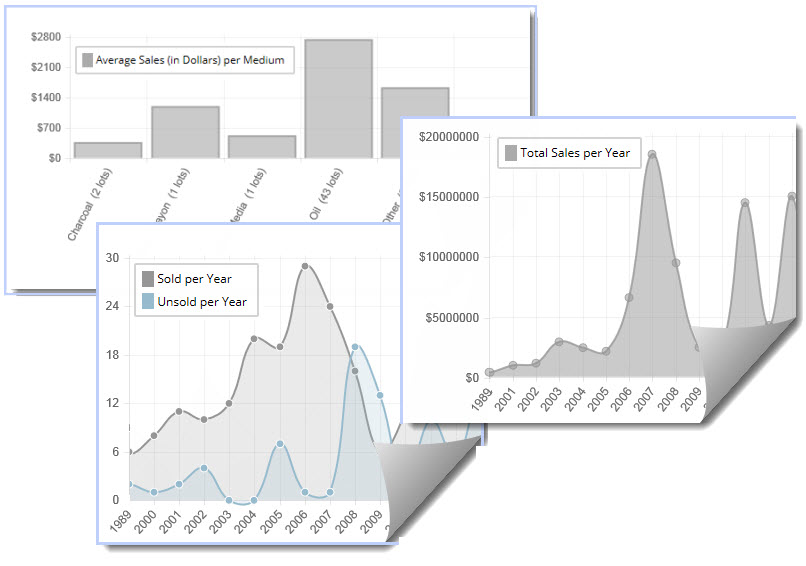
Carlo Ceresa PRICE CHARTS
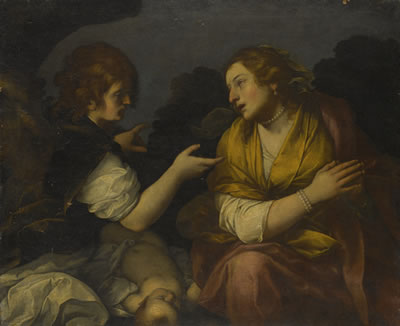
1609 - 1679. Known for: Portraits of aristocrats, children, figures and genre.
The piece is aesthetically reminiscent of works by Carlo Ceresa, a pupil and later assistant to the Milanese painter Daniele Crespi, whose style and vocabulary survived in his work after the master's... Read full biography
The piece is aesthetically reminiscent of works by Carlo Ceresa, a pupil and later assistant to the Milanese painter Daniele Crespi, whose style and vocabulary survived in his work after the master's death in 1630. He was active in the Bergamo area and produced a large number of religious works... Read full biography
The piece is aesthetically reminiscent of works by Carlo Ceresa, a pupil and later assistant to the Milanese painter Daniele Crespi, whose style and vocabulary survived in his work after the master's death in 1630. He was active in the Bergamo area and produced a large number of religious works characterised by great sobriety and a discreet approach combined with the vivid colour of the Veneto school. He was also a skilled portraitist whose services were sought after by the city's noble... Read full biography
The piece is aesthetically reminiscent of works by Carlo Ceresa, a pupil and later assistant to the Milanese painter Daniele Crespi, whose style and vocabulary survived in his work after the master's death in 1630. He was active in the Bergamo area and produced a large number of religious works characterised by great sobriety and a discreet approach combined with the vivid colour of the Veneto school. He was also a skilled portraitist whose services were sought after by the city's noble families. The naturalism that pervades the depiction of his subjects recalls the work of Moroni and awaits Fra Galgario and Ceruti (Pitochetto).
The piece is aesthetically reminiscent of works by Carlo Ceresa, a pupil and later assistant to the Milanese painter Daniele Crespi, whose style and vocabulary survived in his work after the master's death in 1630. He was active in the Bergamo area and produced a large number of religious works characterised by great sobriety and a discreet approach combined with the vivid colour of the Veneto school. He was also a skilled portraitist whose services were sought after by the city's noble families. The naturalism that pervades the depiction of his subjects recalls the work of Moroni and awaits Fra Galgario and Ceruti (Pitochetto).