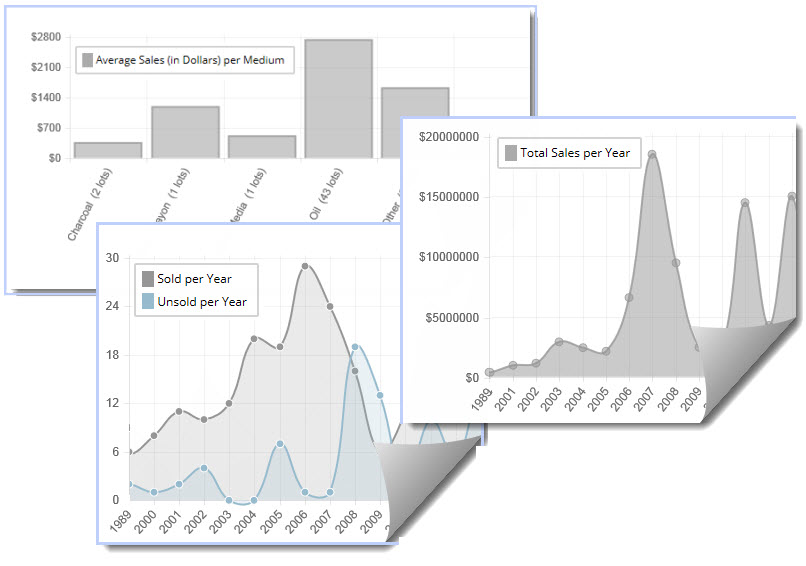
Ferdinand Balzer PRICE CHARTS
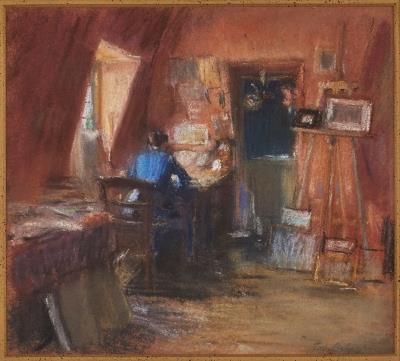
1872 - 1916. Known for: Landscape and every=day life painting.
Ferdinand Balzer (1872 Frankfurt - 19160) is known for his figurative scenes from everyday life and work as well as landscapes from the Taunus and his Hessian homeland. In 1892 he studied painting... Read full biography
Ferdinand Balzer (1872 Frankfurt - 19160) is known for his figurative scenes from everyday life and work as well as landscapes from the Taunus and his Hessian homeland. In 1892 he studied painting with Anton Burger in Kronberg, 1893-97 at the art school in Weimar and 1898/99 at the Städelschule... Read full biography
Ferdinand Balzer (1872 Frankfurt - 19160) is known for his figurative scenes from everyday life and work as well as landscapes from the Taunus and his Hessian homeland. In 1892 he studied painting with Anton Burger in Kronberg, 1893-97 at the art school in Weimar and 1898/99 at the Städelschule with Wilhelm Amadeus Beer. While he was initially associated with the Frankfurt School, he later opened up to new trends, such as the Impressionist style of Wilhelm Trübner. Around the turn of the... Read full biography
Ferdinand Balzer (1872 Frankfurt - 19160) is known for his figurative scenes from everyday life and work as well as landscapes from the Taunus and his Hessian homeland. In 1892 he studied painting with Anton Burger in Kronberg, 1893-97 at the art school in Weimar and 1898/99 at the Städelschule with Wilhelm Amadeus Beer. While he was initially associated with the Frankfurt School, he later opened up to new trends, such as the Impressionist style of Wilhelm Trübner. Around the turn of the century, he began to pick up formal elements from Symbolism and Art Nouveau.
Ferdinand Balzer (1872 Frankfurt - 19160) is known for his figurative scenes from everyday life and work as well as landscapes from the Taunus and his Hessian homeland. In 1892 he studied painting with Anton Burger in Kronberg, 1893-97 at the art school in Weimar and 1898/99 at the Städelschule with Wilhelm Amadeus Beer. While he was initially associated with the Frankfurt School, he later opened up to new trends, such as the Impressionist style of Wilhelm Trübner. Around the turn of the century, he began to pick up formal elements from Symbolism and Art Nouveau.