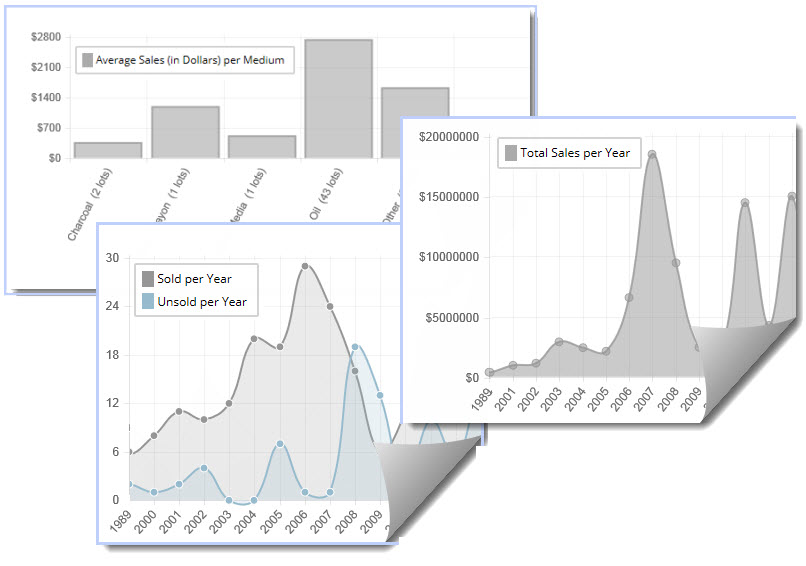
Giovanni Battista Corti PRICE CHARTS
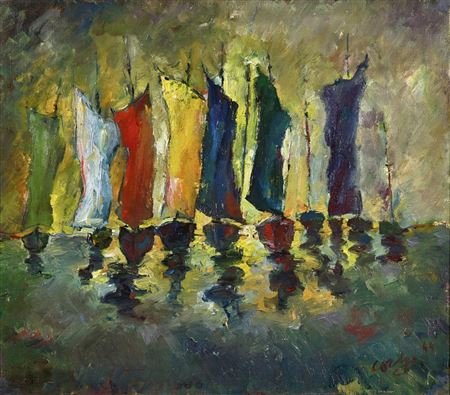
1870 - 1946. Known for: Expressionist landscapes, scenes of everyday life, religious subjects, small to medium format canvases.
Giovanni-Battista Corti apprenticed as a painter, plasterer, and stucco worker in Cernier in 1921-1924. He moved to Brussels in 1930 to study at the Académie Saint-Luc, influenced by Flemish... Read full biography
Giovanni-Battista Corti apprenticed as a painter, plasterer, and stucco worker in Cernier in 1921-1924. He moved to Brussels in 1930 to study at the Académie Saint-Luc, influenced by Flemish expressionism. Corti's work in the 1930s focused on expressionist landscapes, everyday scenes, and religious... Read full biography
Giovanni-Battista Corti apprenticed as a painter, plasterer, and stucco worker in Cernier in 1921-1924. He moved to Brussels in 1930 to study at the Académie Saint-Luc, influenced by Flemish expressionism. Corti's work in the 1930s focused on expressionist landscapes, everyday scenes, and religious subjects. He struggled with deteriorating economic and psychological states, leading to multiple clinic visits from 1933. In 1944, he held his only individual exhibition at the Bienne gallery Europa,... Read full biography
Giovanni-Battista Corti apprenticed as a painter, plasterer, and stucco worker in Cernier in 1921-1924. He moved to Brussels in 1930 to study at the Académie Saint-Luc, influenced by Flemish expressionism. Corti's work in the 1930s focused on expressionist landscapes, everyday scenes, and religious subjects. He struggled with deteriorating economic and psychological states, leading to multiple clinic visits from 1933. In 1944, he held his only individual exhibition at the Bienne gallery Europa, with his work in the 1940s characterized by an obsessive repetition of certain themes.
Giovanni-Battista Corti apprenticed as a painter, plasterer, and stucco worker in Cernier in 1921-1924. He moved to Brussels in 1930 to study at the Académie Saint-Luc, influenced by Flemish expressionism. Corti's work in the 1930s focused on expressionist landscapes, everyday scenes, and religious subjects. He struggled with deteriorating economic and psychological states, leading to multiple clinic visits from 1933. In 1944, he held his only individual exhibition at the Bienne gallery Europa, with his work in the 1940s characterized by an obsessive repetition of certain themes.