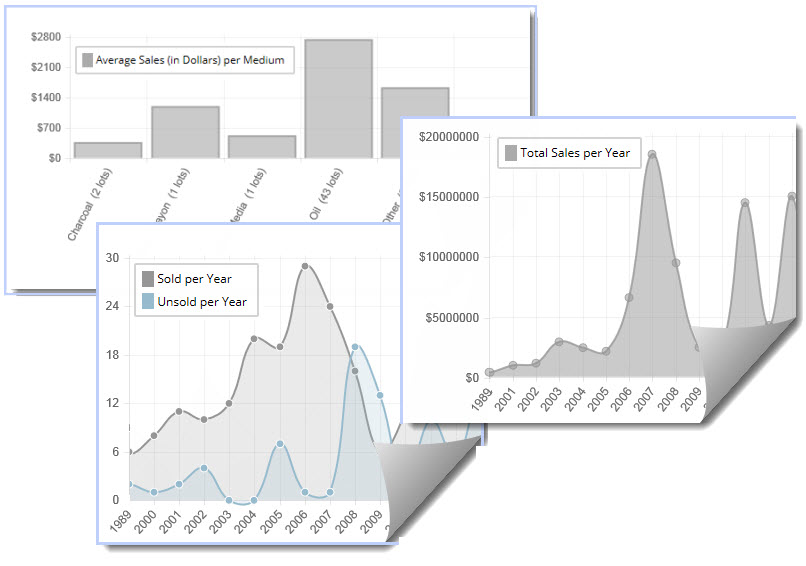
Lambert de Hondt PRICE CHARTS
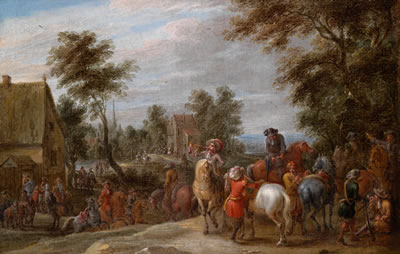
before 1620 - before 1665. Known for: Equestrian and battle scenes, genre and landscape paintings.
Lambert de Hondt the Elder was a Flemish painter known for his equestrian and battle scenes, as well as genre and landscape paintings. He worked in Mechelen and is sometimes confused with Lambert de... Read full biography
Lambert de Hondt the Elder was a Flemish painter known for his equestrian and battle scenes, as well as genre and landscape paintings. He worked in Mechelen and is sometimes confused with Lambert de Hondt the Younger, another artist specializing in similar themes. De Hondt enjoyed high-level... Read full biography
Lambert de Hondt the Elder was a Flemish painter known for his equestrian and battle scenes, as well as genre and landscape paintings. He worked in Mechelen and is sometimes confused with Lambert de Hondt the Younger, another artist specializing in similar themes. De Hondt enjoyed high-level patronage, with one of his paintings belonging to the collection of Elisabeth Farnese. His military scenes often depicted cavalry, military camps, and battles, reminiscent of David Teniers the Younger's... Read full biography
Lambert de Hondt the Elder was a Flemish painter known for his equestrian and battle scenes, as well as genre and landscape paintings. He worked in Mechelen and is sometimes confused with Lambert de Hondt the Younger, another artist specializing in similar themes. De Hondt enjoyed high-level patronage, with one of his paintings belonging to the collection of Elisabeth Farnese. His military scenes often depicted cavalry, military camps, and battles, reminiscent of David Teniers the Younger's style, using a sketchy technique.
Lambert de Hondt the Elder was a Flemish painter known for his equestrian and battle scenes, as well as genre and landscape paintings. He worked in Mechelen and is sometimes confused with Lambert de Hondt the Younger, another artist specializing in similar themes. De Hondt enjoyed high-level patronage, with one of his paintings belonging to the collection of Elisabeth Farnese. His military scenes often depicted cavalry, military camps, and battles, reminiscent of David Teniers the Younger's style, using a sketchy technique.