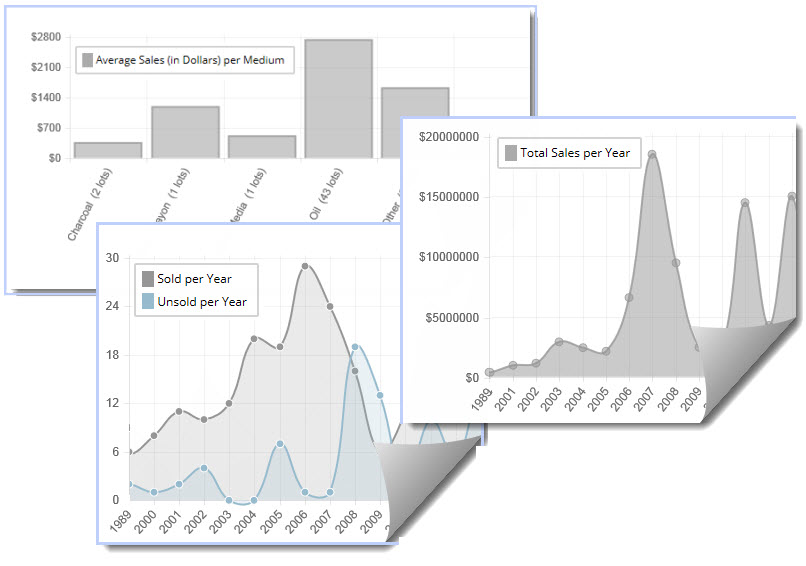
Rolf Nida-Rumelin PRICE CHARTS
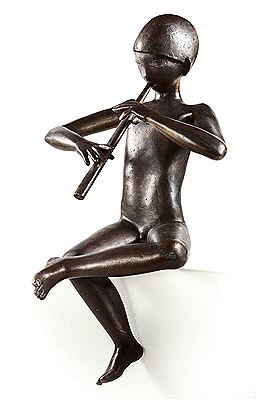
1910 - 1996. Known for: Realist style human figure, birds and animal sculptures.
Lots Sold: 55%, High Price: Subscribe.
A German sculptor, Rolf Nida-Rumelin (1910 Starnberg to 1996 Munich), first trained with his father (sculptor) Wilhelm Nida-Rümelin, in Munich. Then he attended the state school for applied arts in... Read full biography
A German sculptor, Rolf Nida-Rumelin (1910 Starnberg to 1996 Munich), first trained with his father (sculptor) Wilhelm Nida-Rümelin, in Munich. Then he attended the state school for applied arts in Nuremberg (now the Academy of Fine Arts), and learned numerous techniques with materials such as... Read full biography
A German sculptor, Rolf Nida-Rumelin (1910 Starnberg to 1996 Munich), first trained with his father (sculptor) Wilhelm Nida-Rümelin, in Munich. Then he attended the state school for applied arts in Nuremberg (now the Academy of Fine Arts), and learned numerous techniques with materials such as wood, stone, ceramics, bronze and plaster, inlay work, stucco and fresco technology, . From 1930-1931, he attended the Berlin Academy under Ludwig Gies, and then went back to Munich where he studied... Read full biography
A German sculptor, Rolf Nida-Rumelin (1910 Starnberg to 1996 Munich), first trained with his father (sculptor) Wilhelm Nida-Rümelin, in Munich. Then he attended the state school for applied arts in Nuremberg (now the Academy of Fine Arts), and learned numerous techniques with materials such as wood, stone, ceramics, bronze and plaster, inlay work, stucco and fresco technology, . From 1930-1931, he attended the Berlin Academy under Ludwig Gies, and then went back to Munich where he studied sculpture at the Academy of Fine Arts with Bernhard Bleeker. Further influences were Ernst Barlach and Aristide Maillol, and works in the field of tension between classical orientation and expressionism, 1933-1939. Rolf Nida-Rumelin was a freelance... Read full biography
A German sculptor, Rolf Nida-Rumelin (1910 Starnberg to 1996 Munich), first trained with his father (sculptor) Wilhelm Nida-Rümelin, in Munich. Then he attended the state school for applied arts in Nuremberg (now the Academy of Fine Arts), and learned numerous techniques with materials such as wood, stone, ceramics, bronze and plaster, inlay work, stucco and fresco technology, . From 1930-1931, he attended the Berlin Academy under Ludwig Gies, and then went back to Munich where he studied sculpture at the Academy of Fine Arts with Bernhard Bleeker. Further influences were Ernst Barlach and Aristide Maillol, and works in the field of tension between classical orientation and expressionism, 1933-1939. Rolf Nida-Rumelin was a freelance sculptor in Munich, and also had military service, war and imprisonment. Source: Internet.