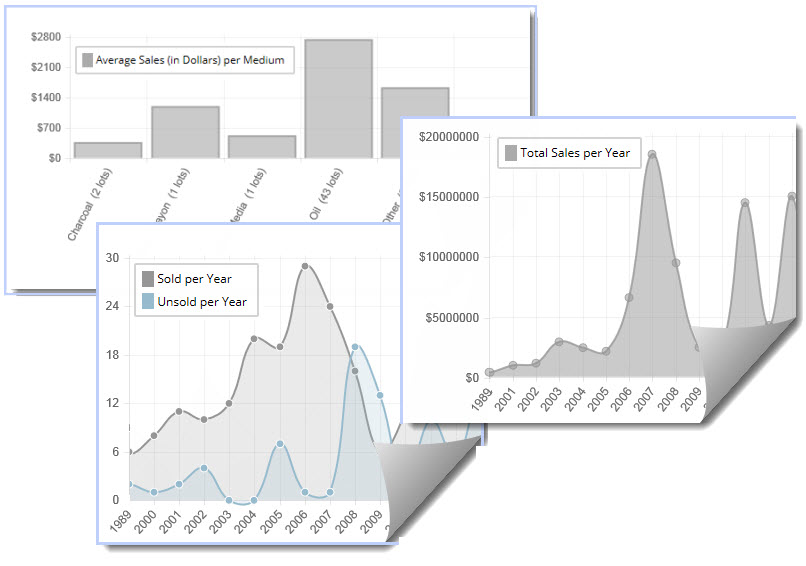
Umi Dahlan PRICE CHARTS
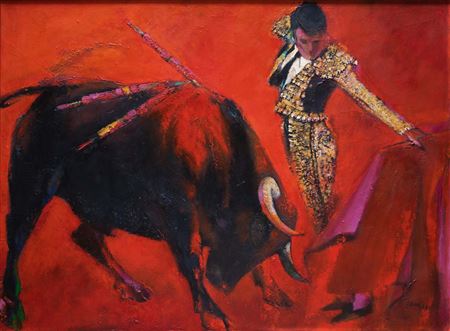
1942 Cirebon - 2009 Bandung. Known for: Painting.
The overture to the Indonesian art movement can be traced back to as early as the 19th century, spearheaded by Raden Saleh with a focus on romanticism and Western style classical painting after his... Read full biography
The overture to the Indonesian art movement can be traced back to as early as the 19th century, spearheaded by Raden Saleh with a focus on romanticism and Western style classical painting after his studies in Europe. During Indonesia's tumultuous war of Independence, artists from both major school... Read full biography
The overture to the Indonesian art movement can be traced back to as early as the 19th century, spearheaded by Raden Saleh with a focus on romanticism and Western style classical painting after his studies in Europe. During Indonesia's tumultuous war of Independence, artists from both major school of thought in Yogyakarta and Bandung, challenged the idea of romanticizing Indonesia and started to create a new vocabulary of art-making that was true to the spirit of the nation and its people.... Read full biography
The overture to the Indonesian art movement can be traced back to as early as the 19th century, spearheaded by Raden Saleh with a focus on romanticism and Western style classical painting after his studies in Europe. During Indonesia's tumultuous war of Independence, artists from both major school of thought in Yogyakarta and Bandung, challenged the idea of romanticizing Indonesia and started to create a new vocabulary of art-making that was true to the spirit of the nation and its people. Distinctive and differing from works produced by artists from Central Java, the underlying characteristics of the art movement in the 1950s in Bandung was heavily influenced with the western credo introduced by expatriate lecturers, with Ries Mulder as... Read full biography
The overture to the Indonesian art movement can be traced back to as early as the 19th century, spearheaded by Raden Saleh with a focus on romanticism and Western style classical painting after his studies in Europe. During Indonesia's tumultuous war of Independence, artists from both major school of thought in Yogyakarta and Bandung, challenged the idea of romanticizing Indonesia and started to create a new vocabulary of art-making that was true to the spirit of the nation and its people. Distinctive and differing from works produced by artists from Central Java, the underlying characteristics of the art movement in the 1950s in Bandung was heavily influenced with the western credo introduced by expatriate lecturers, with Ries Mulder as an important figure to the growth of the genre. This artistic approach was collectively known as "The Bandung School", and was dev... Read full biography