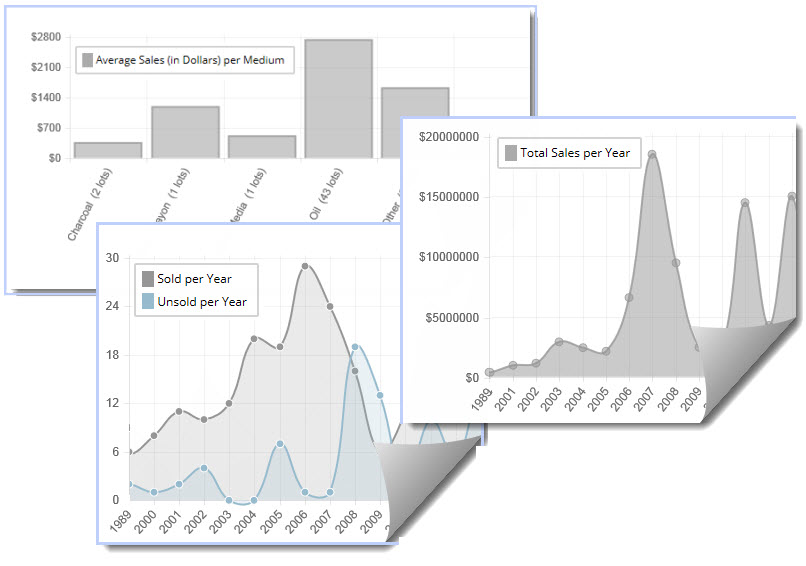
Walter Wellenstein PRICE CHARTS
1898 Dortmund - 1970/72 Berlin. Known for: Painting.
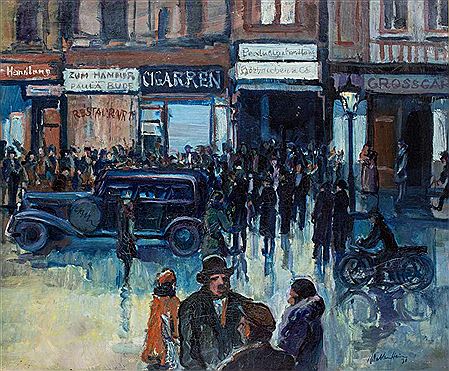
Walter Wellenstein (1898-1970/72). He studied under Emil Orlik at the art school in Berlin from 1918 to 1924. His early work is characterized by travel memories and city views. In the 1930s, he... Read full biography
Walter Wellenstein (1898-1970/72). He studied under Emil Orlik at the art school in Berlin from 1918 to 1924. His early work is characterized by travel memories and city views. In the 1930s, he developed a fondness for depictions of masks, as well as artistic and bizzare characters. Many of his... Read full biography
Walter Wellenstein (1898-1970/72). He studied under Emil Orlik at the art school in Berlin from 1918 to 1924. His early work is characterized by travel memories and city views. In the 1930s, he developed a fondness for depictions of masks, as well as artistic and bizzare characters. Many of his works show traits of the grotesque - Wellenstein's artistic means to overcome the instability of the time. In the 1950s, Wellenstein was inspired by theatre rehearsals and created stage-like sceneries in... Read full biography
Walter Wellenstein (1898-1970/72). He studied under Emil Orlik at the art school in Berlin from 1918 to 1924. His early work is characterized by travel memories and city views. In the 1930s, he developed a fondness for depictions of masks, as well as artistic and bizzare characters. Many of his works show traits of the grotesque - Wellenstein's artistic means to overcome the instability of the time. In the 1950s, Wellenstein was inspired by theatre rehearsals and created stage-like sceneries in paintings with emphasized contours. These paintings often show influences of works by Karl Hofer, Max Beckmann, James Ensor, and Alfred Kubin. Wellenstein also worked as a draftsman and illustrator. His illustrations show a penchant for satirical... Read full biography
Walter Wellenstein (1898-1970/72). He studied under Emil Orlik at the art school in Berlin from 1918 to 1924. His early work is characterized by travel memories and city views. In the 1930s, he developed a fondness for depictions of masks, as well as artistic and bizzare characters. Many of his works show traits of the grotesque - Wellenstein's artistic means to overcome the instability of the time. In the 1950s, Wellenstein was inspired by theatre rehearsals and created stage-like sceneries in paintings with emphasized contours. These paintings often show influences of works by Karl Hofer, Max Beckmann, James Ensor, and Alfred Kubin. Wellenstein also worked as a draftsman and illustrator. His illustrations show a penchant for satirical and caricaturist elements. Due to his publications in the Simplicissimus or the Insul... Read full biography