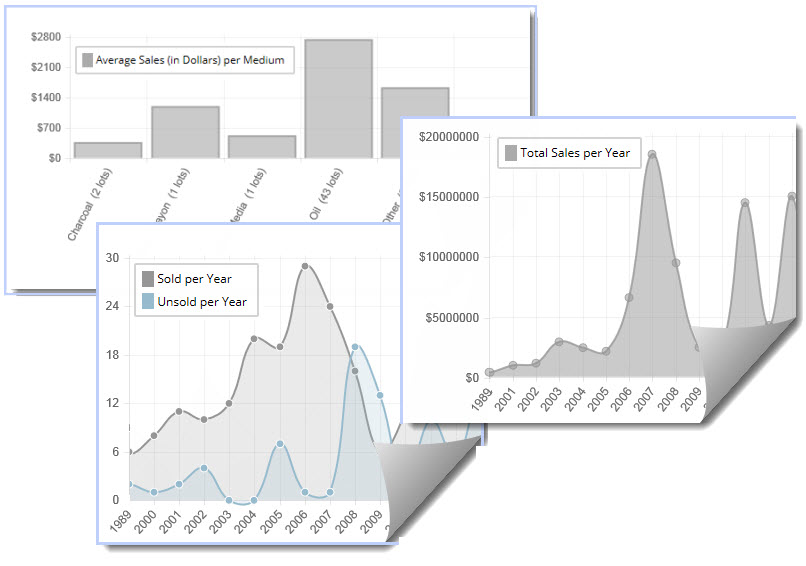
Wilhelm Eberhardt PRICE CHARTS
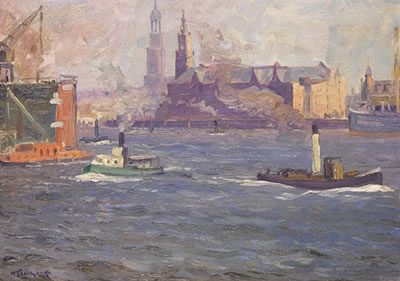
Born 1875 Hamburg, Germany. Known for: Painting.
Born in Hamburg, the artist initially trained as a decorative painter. He subsequently studied at the Hamburg Academy of Fine Arts as well as at the educational institution of the Museum of... Read full biography
Born in Hamburg, the artist initially trained as a decorative painter. He subsequently studied at the Hamburg Academy of Fine Arts as well as at the educational institution of the Museum of Decorative Arts in Berlin as a student of Max Seliger. From 1900 onwards, he worked on the facade paintings... Read full biography
Born in Hamburg, the artist initially trained as a decorative painter. He subsequently studied at the Hamburg Academy of Fine Arts as well as at the educational institution of the Museum of Decorative Arts in Berlin as a student of Max Seliger. From 1900 onwards, he worked on the facade paintings of the German pavilion for the World Exhibition in Paris under the leadership of Richard Boehland. Then Eberhardt worked in a studio for decorative painting in Berlin for two years, during this period... Read full biography
Born in Hamburg, the artist initially trained as a decorative painter. He subsequently studied at the Hamburg Academy of Fine Arts as well as at the educational institution of the Museum of Decorative Arts in Berlin as a student of Max Seliger. From 1900 onwards, he worked on the facade paintings of the German pavilion for the World Exhibition in Paris under the leadership of Richard Boehland. Then Eberhardt worked in a studio for decorative painting in Berlin for two years, during this period he predominately created religious art. In addition to this, he copied the old masters, which were exhibited in the Berlin museums. In 1904 he settled in Hamburg as a freelance painter and draughtsman for interior decorations. Until 1909 he was... Read full biography
Born in Hamburg, the artist initially trained as a decorative painter. He subsequently studied at the Hamburg Academy of Fine Arts as well as at the educational institution of the Museum of Decorative Arts in Berlin as a student of Max Seliger. From 1900 onwards, he worked on the facade paintings of the German pavilion for the World Exhibition in Paris under the leadership of Richard Boehland. Then Eberhardt worked in a studio for decorative painting in Berlin for two years, during this period he predominately created religious art. In addition to this, he copied the old masters, which were exhibited in the Berlin museums. In 1904 he settled in Hamburg as a freelance painter and draughtsman for interior decorations. Until 1909 he was involved in the mural paintings of the banqueting hall of Hamburg’s city hall, which were instructed by Hugo Vogel; fo... Read full biography