Adolf Erbslöh PRICE CHARTS
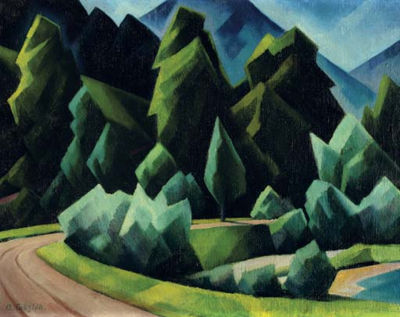
1881 New York - 1947 Irschenhausen, Germany. Known for: Painting, landscape.
Adolf Erbslöh was a member of the Neue Künstlervereinigung München (NKVM), the precursor of the Blaue Reiter, which he joined in 1909 together with Kandinsky, Jawlensky, Kanoldt and Wittenstein,... Read full biography
Adolf Erbslöh was a member of the Neue Künstlervereinigung München (NKVM), the precursor of the Blaue Reiter, which he joined in 1909 together with Kandinsky, Jawlensky, Kanoldt and Wittenstein, among others, but artistically broke away from the circle of Expressionists at an early stage. During... Read full biography
Adolf Erbslöh was a member of the Neue Künstlervereinigung München (NKVM), the precursor of the Blaue Reiter, which he joined in 1909 together with Kandinsky, Jawlensky, Kanoldt and Wittenstein, among others, but artistically broke away from the circle of Expressionists at an early stage. During World War I, Erbslöh was deployed as a war painter and draughtsman on the western front near Verdun from 1916. During this time, he mainly portrayed devastated landscapes and places. His landscapes... Read full biography
Adolf Erbslöh was a member of the Neue Künstlervereinigung München (NKVM), the precursor of the Blaue Reiter, which he joined in 1909 together with Kandinsky, Jawlensky, Kanoldt and Wittenstein, among others, but artistically broke away from the circle of Expressionists at an early stage. During World War I, Erbslöh was deployed as a war painter and draughtsman on the western front near Verdun from 1916. During this time, he mainly portrayed devastated landscapes and places. His landscapes however show his deep affinity with the Expressionist artists and his desire for a truthful, almost Cézannesque depiction of what he saw. The painting "Ruins of Béthincourt", created in the same year and with a similar palette, is now in the Düsseldorf... Read full biography
Adolf Erbslöh was a member of the Neue Künstlervereinigung München (NKVM), the precursor of the Blaue Reiter, which he joined in 1909 together with Kandinsky, Jawlensky, Kanoldt and Wittenstein, among others, but artistically broke away from the circle of Expressionists at an early stage. During World War I, Erbslöh was deployed as a war painter and draughtsman on the western front near Verdun from 1916. During this time, he mainly portrayed devastated landscapes and places. His landscapes however show his deep affinity with the Expressionist artists and his desire for a truthful, almost Cézannesque depiction of what he saw. The painting "Ruins of Béthincourt", created in the same year and with a similar palette, is now in the Düsseldorf Kunstpalast.
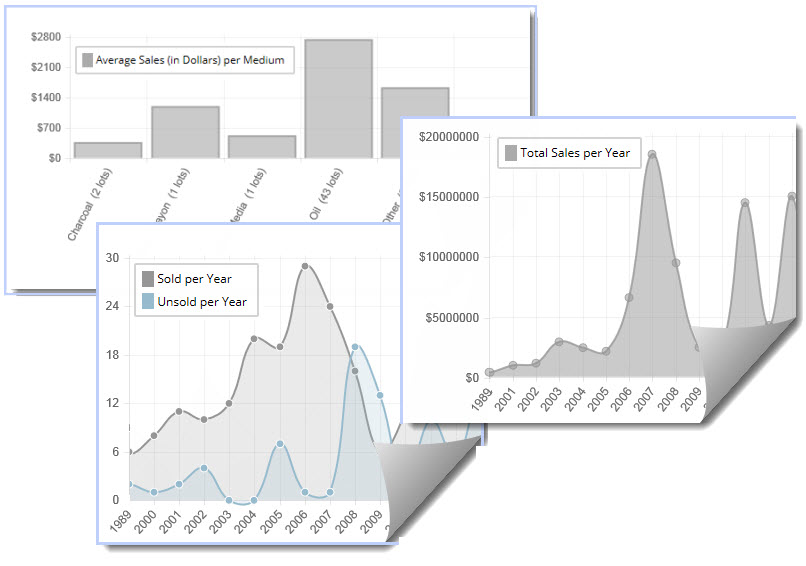
Adolf Erbslöh - Charts
Chart data loaded successfully