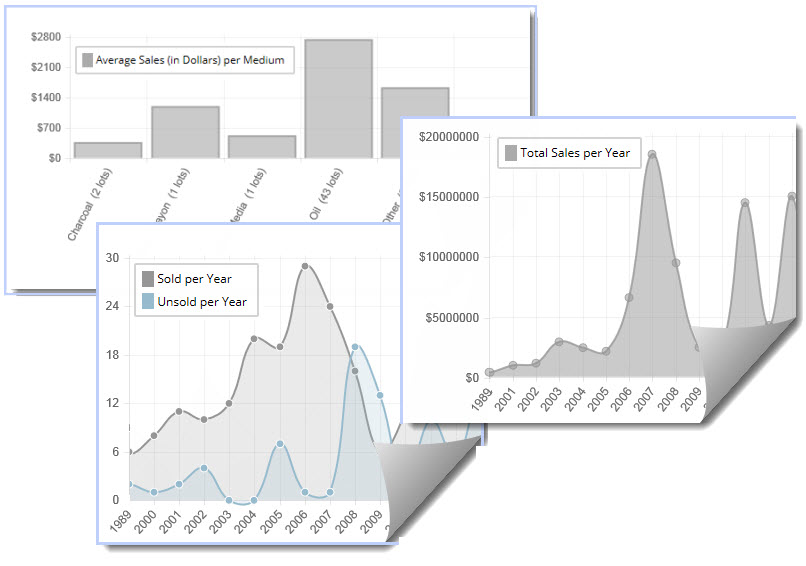
Émile Fabry PRICE CHARTS
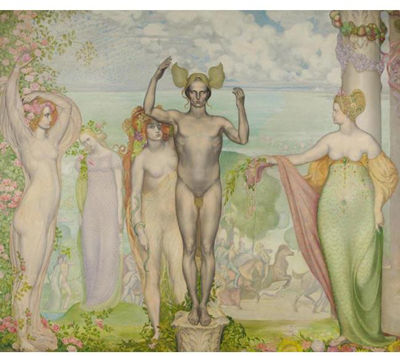
1865 Verviers, Eastern Belgium - 1966. Known for: Symbolist painting.
Known principally as a Symbolist painter, Emile Fabry was born in Verviers, in Eastern Belgium. He trained at the Royal Academy of Fine Arts Brussels, under the influential Orientalist painter... Read full biography
Known principally as a Symbolist painter, Emile Fabry was born in Verviers, in Eastern Belgium. He trained at the Royal Academy of Fine Arts Brussels, under the influential Orientalist painter Jean-François Portaels. He exhibited his work at the Salon de la Rose + Croix, alongside painters such as... Read full biography
Known principally as a Symbolist painter, Emile Fabry was born in Verviers, in Eastern Belgium. He trained at the Royal Academy of Fine Arts Brussels, under the influential Orientalist painter Jean-François Portaels. He exhibited his work at the Salon de la Rose + Croix, alongside painters such as Jean Delville and Fernand Khnopff. One of Fabry's most famous works are the decorative mosaics for the Cinquantenaire in Brussels. During the first World War, Fabry fled to St Ives, where he would... Read full biography
Known principally as a Symbolist painter, Emile Fabry was born in Verviers, in Eastern Belgium. He trained at the Royal Academy of Fine Arts Brussels, under the influential Orientalist painter Jean-François Portaels. He exhibited his work at the Salon de la Rose + Croix, alongside painters such as Jean Delville and Fernand Khnopff. One of Fabry's most famous works are the decorative mosaics for the Cinquantenaire in Brussels. During the first World War, Fabry fled to St Ives, where he would live and work until the end of the conflict. During this period, he was commissioned by Robert Windsor-Clive, Lord Plymouth, to produce work for the Entrance Hall of University College, Cardiff. One work, La Guerre et la Paix (War and Peace), a... Read full biography
Known principally as a Symbolist painter, Emile Fabry was born in Verviers, in Eastern Belgium. He trained at the Royal Academy of Fine Arts Brussels, under the influential Orientalist painter Jean-François Portaels. He exhibited his work at the Salon de la Rose + Croix, alongside painters such as Jean Delville and Fernand Khnopff. One of Fabry's most famous works are the decorative mosaics for the Cinquantenaire in Brussels. During the first World War, Fabry fled to St Ives, where he would live and work until the end of the conflict. During this period, he was commissioned by Robert Windsor-Clive, Lord Plymouth, to produce work for the Entrance Hall of University College, Cardiff. One work, La Guerre et la Paix (War and Peace), a monumental work designed to sit above an arched entrance, was ultimately rejected (see Sotheby's, Paris, 19 June 2024, lot 124).... Read full biography
Émile Fabry - Charts
Chart data loaded successfully