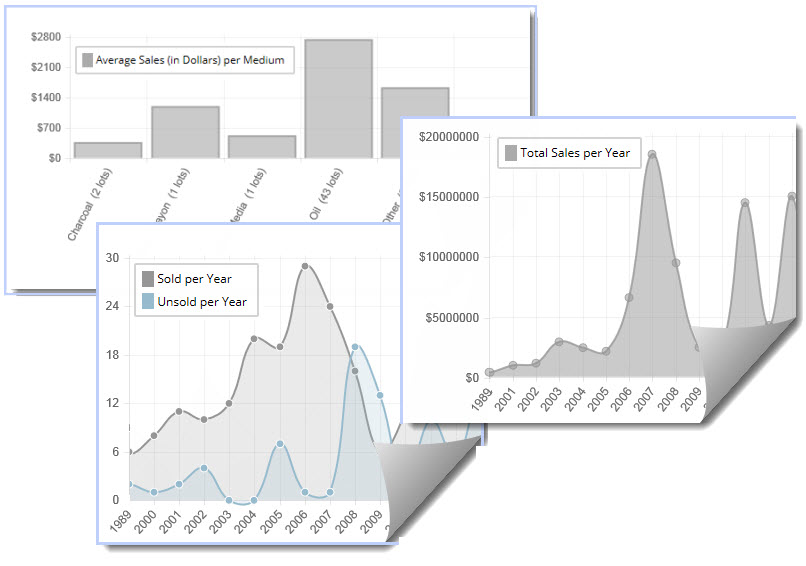
Adam Pynacker PRICE CHARTS
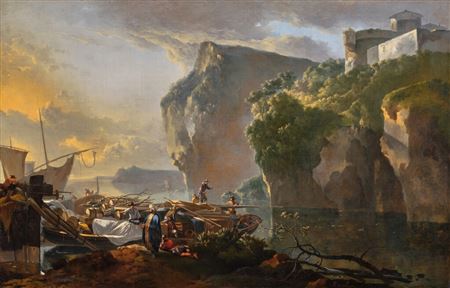
1621 Pijnacker near Delft - 1673 Amsterdam. Known for: Landscape painting.
In both style and subject matter, Adam Pynacker belongs to the group of artists known as the Dutch Italianates. Pynacker spent three years in Italy between 1645 and 1648. His earliest, mostly... Read full biography
In both style and subject matter, Adam Pynacker belongs to the group of artists known as the Dutch Italianates. Pynacker spent three years in Italy between 1645 and 1648. His earliest, mostly small-scale, paintings incorporate three elements: evocation of strong Italian light and atmosphere,... Read full biography
In both style and subject matter, Adam Pynacker belongs to the group of artists known as the Dutch Italianates. Pynacker spent three years in Italy between 1645 and 1648. His earliest, mostly small-scale, paintings incorporate three elements: evocation of strong Italian light and atmosphere, reproduction of nature in minute detail, and a cool, monochrome palette enlivened by touches of red or ultramarine. His solo travels to Italy were the main inspiration for his subject interest, and his... Read full biography
In both style and subject matter, Adam Pynacker belongs to the group of artists known as the Dutch Italianates. Pynacker spent three years in Italy between 1645 and 1648. His earliest, mostly small-scale, paintings incorporate three elements: evocation of strong Italian light and atmosphere, reproduction of nature in minute detail, and a cool, monochrome palette enlivened by touches of red or ultramarine. His solo travels to Italy were the main inspiration for his subject interest, and his style and composition evolved in a distinct Dutch Italianate tradition. His landscapes depict primarily views of rivers, harbors, and the Roman countryside, often incorporating peasants performing everyday tasks. In the 1650s, Pynacker introduced the... Read full biography
In both style and subject matter, Adam Pynacker belongs to the group of artists known as the Dutch Italianates. Pynacker spent three years in Italy between 1645 and 1648. His earliest, mostly small-scale, paintings incorporate three elements: evocation of strong Italian light and atmosphere, reproduction of nature in minute detail, and a cool, monochrome palette enlivened by touches of red or ultramarine. His solo travels to Italy were the main inspiration for his subject interest, and his style and composition evolved in a distinct Dutch Italianate tradition. His landscapes depict primarily views of rivers, harbors, and the Roman countryside, often incorporating peasants performing everyday tasks. In the 1650s, Pynacker introduced the theme of hunting in his paintings, which was encouraged by the work of Ludolf de Jongh and Jan Baptist Weenix. In his... Read full biography