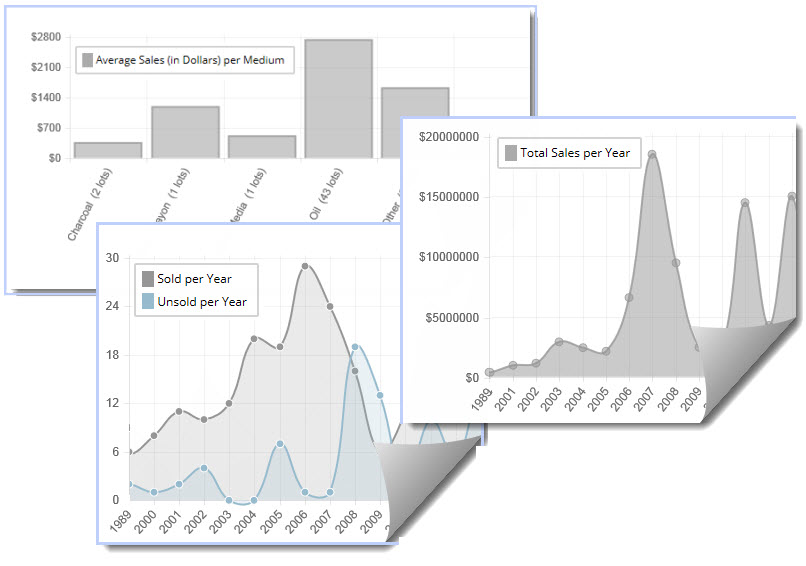
Anna Mamica PRICE CHARTS
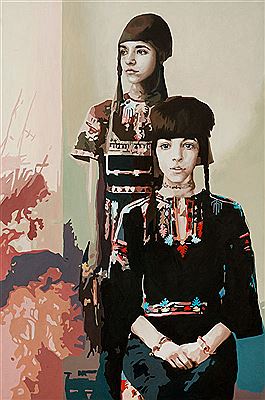
Born 1994. Known for: Female motif representations, reinterpretation of Pre-Raphaelite style.
Anna Mamica, a contemporary artist from Poland, graduated from the Faculty of Painting of the Academy of Fine Arts in Warsaw. Her work focuses on exploring the place of women in culture and art,... Read full biography
Anna Mamica, a contemporary artist from Poland, graduated from the Faculty of Painting of the Academy of Fine Arts in Warsaw. Her work focuses on exploring the place of women in culture and art, drawing inspiration from historical painting and contemporary popular culture. Mamica's art combines... Read full biography
Anna Mamica, a contemporary artist from Poland, graduated from the Faculty of Painting of the Academy of Fine Arts in Warsaw. Her work focuses on exploring the place of women in culture and art, drawing inspiration from historical painting and contemporary popular culture. Mamica's art combines faithful realism with fantastical elements, creating a unique style that blends figuration and geometrization. Her work can be described as a reinterpretation of the Pre-Raphaelite style, emphasizing... Read full biography
Anna Mamica, a contemporary artist from Poland, graduated from the Faculty of Painting of the Academy of Fine Arts in Warsaw. Her work focuses on exploring the place of women in culture and art, drawing inspiration from historical painting and contemporary popular culture. Mamica's art combines faithful realism with fantastical elements, creating a unique style that blends figuration and geometrization. Her work can be described as a reinterpretation of the Pre-Raphaelite style, emphasizing naturalism and archaism in her representations of the female motif.
Anna Mamica, a contemporary artist from Poland, graduated from the Faculty of Painting of the Academy of Fine Arts in Warsaw. Her work focuses on exploring the place of women in culture and art, drawing inspiration from historical painting and contemporary popular culture. Mamica's art combines faithful realism with fantastical elements, creating a unique style that blends figuration and geometrization. Her work can be described as a reinterpretation of the Pre-Raphaelite style, emphasizing naturalism and archaism in her representations of the female motif.