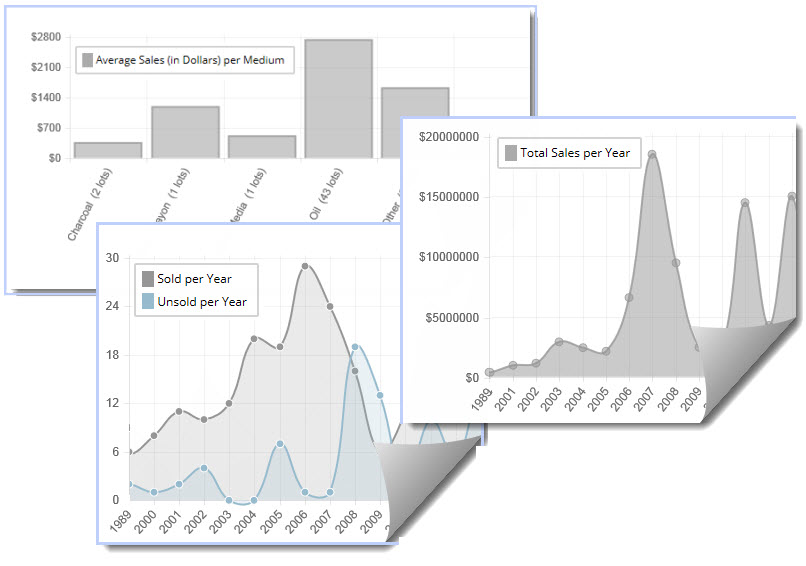
Chittoprasad Bhattacharya PRICE CHARTS
1915 Naihati, India - 1978. Known for: Painting.
The Bengal Famine 1943–44 wrecked over three million lives across undivided India during the Second World War while its colonized subjects supported the Western war effort leading to a diversion of... Read full biography
The Bengal Famine 1943–44 wrecked over three million lives across undivided India during the Second World War while its colonized subjects supported the Western war effort leading to a diversion of food resources and a drain on the economy due to wartime industrial production and thousands of... Read full biography
The Bengal Famine 1943–44 wrecked over three million lives across undivided India during the Second World War while its colonized subjects supported the Western war effort leading to a diversion of food resources and a drain on the economy due to wartime industrial production and thousands of native troops joining allied forces. With the threat of a Japanese invasion of Burma, the British Raj carried out the scorched-earth and boat-denial policy that resulted in mass starvation, displacement,... Read full biography
The Bengal Famine 1943–44 wrecked over three million lives across undivided India during the Second World War while its colonized subjects supported the Western war effort leading to a diversion of food resources and a drain on the economy due to wartime industrial production and thousands of native troops joining allied forces. With the threat of a Japanese invasion of Burma, the British Raj carried out the scorched-earth and boat-denial policy that resulted in mass starvation, displacement, chronic disease, as well as private hoarding and profiteering by the landowning elite of the Bengal province. Despite the catastrophic conditions arising from imperial policies, the hostile Churchill government continued to prevent the import of food... Read full biography
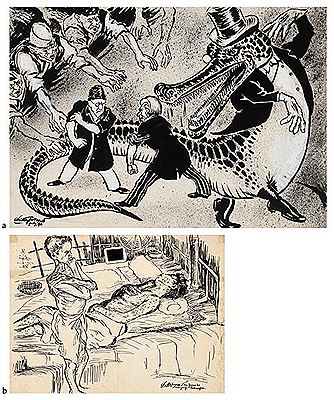
The Bengal Famine 1943–44 wrecked over three million lives across undivided India during the Second World War while its colonized subjects supported the Western war effort leading to a diversion of food resources and a drain on the economy due to wartime industrial production and thousands of native troops joining allied forces. With the threat of a Japanese invasion of Burma, the British Raj carried out the scorched-earth and boat-denial policy that resulted in mass starvation, displacement, chronic disease, as well as private hoarding and profiteering by the landowning elite of the Bengal province. Despite the catastrophic conditions arising from imperial policies, the hostile Churchill government continued to prevent the import of food grain and other foreign aid. Chittaprosad’s graphic art expresses the struggle against colonial oppression and a revolutionary consciousn... Read full biography