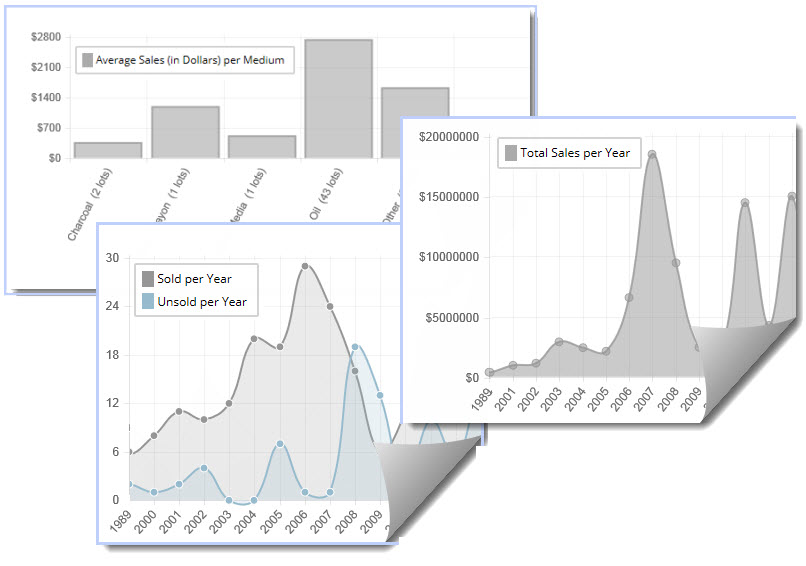
David Piqtoukun PRICE CHARTS
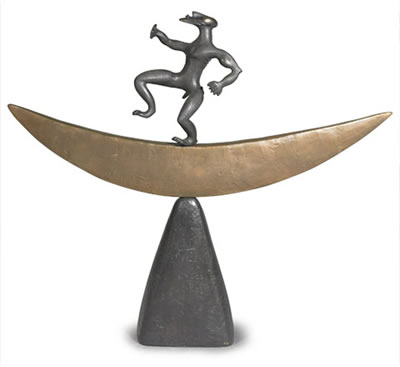
Born 1950 Northwest Territories. Known for: Inuit Art.
David Ruben Piqtokun (b. 1950). Piqtokun was in Paultatun, Northwest Territories on May 10, 1950. Sent to boarding schools from age five to seventeen, Piqtokun lost Native Eskimo way and their... Read full biography
David Ruben Piqtokun (b. 1950). Piqtokun was in Paultatun, Northwest Territories on May 10, 1950. Sent to boarding schools from age five to seventeen, Piqtokun lost Native Eskimo way and their language. At twenty two, he began stone carving in 1972, under his brother Abraham Apalark Anghik Ruben.... Read full biography
David Ruben Piqtokun (b. 1950). Piqtokun was in Paultatun, Northwest Territories on May 10, 1950. Sent to boarding schools from age five to seventeen, Piqtokun lost Native Eskimo way and their language. At twenty two, he began stone carving in 1972, under his brother Abraham Apalark Anghik Ruben. Piqtokun spent time selling his carvings; however in 1975, he realized his craft was more that money. He began to collect stories from home and explored his native roots. His works included sculpture... Read full biography
David Ruben Piqtokun (b. 1950). Piqtokun was in Paultatun, Northwest Territories on May 10, 1950. Sent to boarding schools from age five to seventeen, Piqtokun lost Native Eskimo way and their language. At twenty two, he began stone carving in 1972, under his brother Abraham Apalark Anghik Ruben. Piqtokun spent time selling his carvings; however in 1975, he realized his craft was more that money. He began to collect stories from home and explored his native roots. His works included sculpture and prints. Piqtokun's sculptural work uses varieties of mixed media. His materials bring together modern and traditional Inuit styles. As an apprentice of Piqtokun, Inuit artist Floyd Kuprana learned sculpting techniques. Sources Include:. www.... Read full biography
David Ruben Piqtokun (b. 1950). Piqtokun was in Paultatun, Northwest Territories on May 10, 1950. Sent to boarding schools from age five to seventeen, Piqtokun lost Native Eskimo way and their language. At twenty two, he began stone carving in 1972, under his brother Abraham Apalark Anghik Ruben. Piqtokun spent time selling his carvings; however in 1975, he realized his craft was more that money. He began to collect stories from home and explored his native roots. His works included sculpture and prints. Piqtokun's sculptural work uses varieties of mixed media. His materials bring together modern and traditional Inuit styles. As an apprentice of Piqtokun, Inuit artist Floyd Kuprana learned sculpting techniques. Sources Include:. www. wikipedia.org. www.northhouse.org