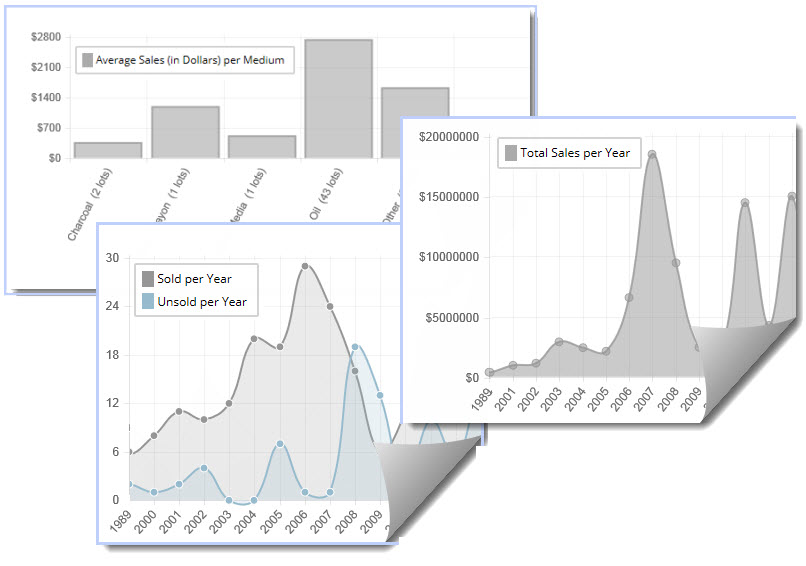
Franz Radziwill PRICE CHARTS
1895 Strohhausen, Germany - 1983 Wilhelmshaven, Germany. Known for: Post-expressionist, realist painting, teaching.
Book Review of Franz Radziwill and the Contradictions of German Art History, 1919-45, by James A. van Dyke. An exploration of the career of Franz Radziwill, investigating the question of art in a... Read full biography
Book Review of Franz Radziwill and the Contradictions of German Art History, 1919-45, by James A. van Dyke. An exploration of the career of Franz Radziwill, investigating the question of art in a Nazi context: Social History, Popular Culture, and Politics in Germany . What was Nazi art? For the... Read full biography
Book Review of Franz Radziwill and the Contradictions of German Art History, 1919-45, by James A. van Dyke. An exploration of the career of Franz Radziwill, investigating the question of art in a Nazi context: Social History, Popular Culture, and Politics in Germany . What was Nazi art? For the most part, we think of traditionally painted scenes of peasants plowing; blonde German girls with or without clothes; and heroically posed, square-jawed soldiers. When we think of modern art in Nazi... Read full biography
Book Review of Franz Radziwill and the Contradictions of German Art History, 1919-45, by James A. van Dyke. An exploration of the career of Franz Radziwill, investigating the question of art in a Nazi context: Social History, Popular Culture, and Politics in Germany . What was Nazi art? For the most part, we think of traditionally painted scenes of peasants plowing; blonde German girls with or without clothes; and heroically posed, square-jawed soldiers. When we think of modern art in Nazi Germany, we typically think above all of the infamous exhibition "Degenerate Art," which opened in Munich in July 1937. While these associations are not entirely wrong, the relationship between modern German art and National Socialism is considerably... Read full biography
Book Review of Franz Radziwill and the Contradictions of German Art History, 1919-45, by James A. van Dyke. An exploration of the career of Franz Radziwill, investigating the question of art in a Nazi context: Social History, Popular Culture, and Politics in Germany . What was Nazi art? For the most part, we think of traditionally painted scenes of peasants plowing; blonde German girls with or without clothes; and heroically posed, square-jawed soldiers. When we think of modern art in Nazi Germany, we typically think above all of the infamous exhibition "Degenerate Art," which opened in Munich in July 1937. While these associations are not entirely wrong, the relationship between modern German art and National Socialism is considerably more complex than has generally been understood. In Franz Radziwill and the Contradictions of German Art History, 1919–45... Read full biography