Gianni Lorenzo Bertolotto PRICE CHARTS
1640 - 1721. Known for: Baroque painting style, wall decoration.
The artist's name is Giovanni Lorenzo Bertolotto. The painting discussed in the text was previously attributed to Paolo de Matteis but can be traced back to Bertolotto through the catalog of Giovanni... Read full biography
The artist's name is Giovanni Lorenzo Bertolotto. The painting discussed in the text was previously attributed to Paolo de Matteis but can be traced back to Bertolotto through the catalog of Giovanni Lorenzo Bertolotto. The painting shows a fully Baroque vision of composing, with evident... Read full biography
The artist's name is Giovanni Lorenzo Bertolotto. The painting discussed in the text was previously attributed to Paolo de Matteis but can be traced back to Bertolotto through the catalog of Giovanni Lorenzo Bertolotto. The painting shows a fully Baroque vision of composing, with evident suggestions of Domenico Piola, curious neo-mannerist and capitoline inflections, probably taken from Giovanni Andrea Carlone. The intention of achieving wall decorative results is clearly perceived, in harmony... Read full biography
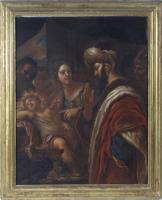
The artist's name is Giovanni Lorenzo Bertolotto. The painting discussed in the text was previously attributed to Paolo de Matteis but can be traced back to Bertolotto through the catalog of Giovanni Lorenzo Bertolotto. The painting shows a fully Baroque vision of composing, with evident suggestions of Domenico Piola, curious neo-mannerist and capitoline inflections, probably taken from Giovanni Andrea Carlone. The intention of achieving wall decorative results is clearly perceived, in harmony with the contemporary fresco painting
The artist's name is Giovanni Lorenzo Bertolotto. The painting discussed in the text was previously attributed to Paolo de Matteis but can be traced back to Bertolotto through the catalog of Giovanni Lorenzo Bertolotto. The painting shows a fully Baroque vision of composing, with evident suggestions of Domenico Piola, curious neo-mannerist and capitoline inflections, probably taken from Giovanni Andrea Carlone. The intention of achieving wall decorative results is clearly perceived, in harmony with the contemporary fresco painting