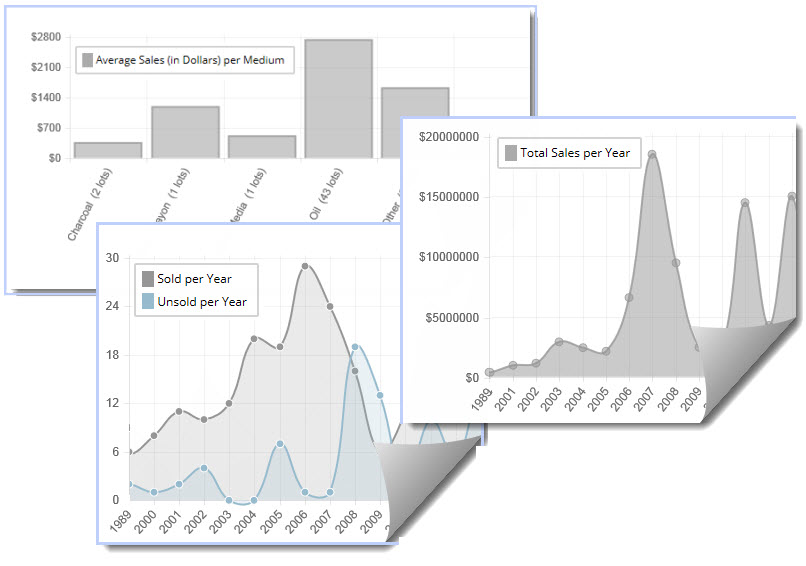
Giorgio Soldaticz PRICE CHARTS
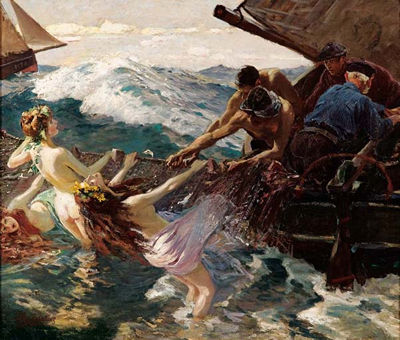
1873 - 1955. Known for: Painting.
Son of the Hungarian painter specialized in sacred art Ferenc Szoldatics (Balatonalmádi 1820 – Rome 1916), «the last of the Nazarenes», Giorgio Szoldatics learned the trade from his father,... Read full biography
Son of the Hungarian painter specialized in sacred art Ferenc Szoldatics (Balatonalmádi 1820 – Rome 1916), «the last of the Nazarenes», Giorgio Szoldatics learned the trade from his father, reinterpreting religious painting through the filter of the lesson of Domenico Morelli, from which the... Read full biography
Son of the Hungarian painter specialized in sacred art Ferenc Szoldatics (Balatonalmádi 1820 – Rome 1916), «the last of the Nazarenes», Giorgio Szoldatics learned the trade from his father, reinterpreting religious painting through the filter of the lesson of Domenico Morelli, from which the symbolist approach to the subjects also derives. In the first decade of the twentieth century his technique was profoundly renewed, thanks above all to his active participation in the artistic debate of the... Read full biography
Son of the Hungarian painter specialized in sacred art Ferenc Szoldatics (Balatonalmádi 1820 – Rome 1916), «the last of the Nazarenes», Giorgio Szoldatics learned the trade from his father, reinterpreting religious painting through the filter of the lesson of Domenico Morelli, from which the symbolist approach to the subjects also derives. In the first decade of the twentieth century his technique was profoundly renewed, thanks above all to his active participation in the artistic debate of the Capital, where in a short time he established himself as one of the most appreciated portraitists of high society, sharing the primacy with influential interpreters of worldliness such as Camillo Innocenti and Arturo Noci. In addition to exhibiting... Read full biography
Son of the Hungarian painter specialized in sacred art Ferenc Szoldatics (Balatonalmádi 1820 – Rome 1916), «the last of the Nazarenes», Giorgio Szoldatics learned the trade from his father, reinterpreting religious painting through the filter of the lesson of Domenico Morelli, from which the symbolist approach to the subjects also derives. In the first decade of the twentieth century his technique was profoundly renewed, thanks above all to his active participation in the artistic debate of the Capital, where in a short time he established himself as one of the most appreciated portraitists of high society, sharing the primacy with influential interpreters of worldliness such as Camillo Innocenti and Arturo Noci. In addition to exhibiting assiduously at important Italian and international exhibitions, from the annual events of the “Società degli Amatori e Cultori di Belle Arti in Roma” t... Read full biography