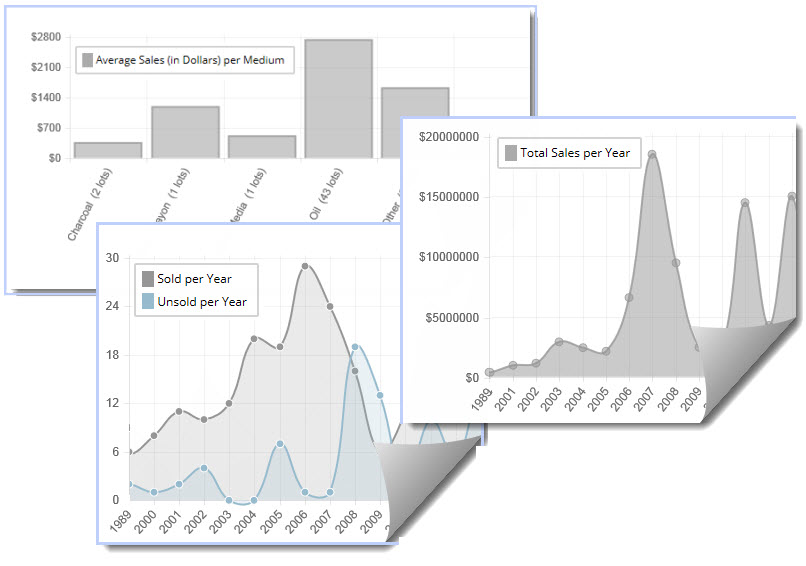
Giuseppe de Nittis PRICE CHARTS
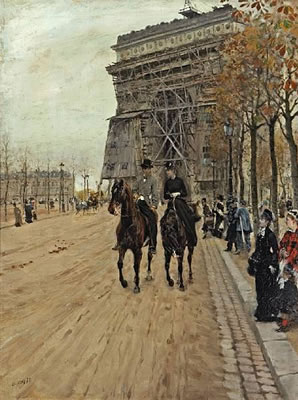
1846 Barletta, Italy - 1884 Saint-Germain-en-Laye, France. Known for: Painting.
GIUSEPPE DE NITTIS. De Nittis, who represents a concrete link between the Italian and French plein-air movements, was born in Barletta, Italy, on 22 February 1846; he began his studies in 1861 at the... Read full biography
GIUSEPPE DE NITTIS. De Nittis, who represents a concrete link between the Italian and French plein-air movements, was born in Barletta, Italy, on 22 February 1846; he began his studies in 1861 at the Institute of Fine Arts in Naples, before coming under the influence of the Macchiaioli, through... Read full biography
GIUSEPPE DE NITTIS. De Nittis, who represents a concrete link between the Italian and French plein-air movements, was born in Barletta, Italy, on 22 February 1846; he began his studies in 1861 at the Institute of Fine Arts in Naples, before coming under the influence of the Macchiaioli, through Adriano Cecioni (1836-1886). His early style, represented by The Appenine Pass (Palazzo Reale di Capodimonte, Naples) features a tendency toward gray tonalities, atmospheric effects with cloudy skies,... Read full biography
GIUSEPPE DE NITTIS. De Nittis, who represents a concrete link between the Italian and French plein-air movements, was born in Barletta, Italy, on 22 February 1846; he began his studies in 1861 at the Institute of Fine Arts in Naples, before coming under the influence of the Macchiaioli, through Adriano Cecioni (1836-1886). His early style, represented by The Appenine Pass (Palazzo Reale di Capodimonte, Naples) features a tendency toward gray tonalities, atmospheric effects with cloudy skies, "views with finesse of details. with a sense of innate elegance . unpretentious but rarely sparkling subjects. " (Brizio, 1939, p. 254). In Paris under Gérôme (1867), he turned to themes of modern French society, but ended up showing his works with the... Read full biography
GIUSEPPE DE NITTIS. De Nittis, who represents a concrete link between the Italian and French plein-air movements, was born in Barletta, Italy, on 22 February 1846; he began his studies in 1861 at the Institute of Fine Arts in Naples, before coming under the influence of the Macchiaioli, through Adriano Cecioni (1836-1886). His early style, represented by The Appenine Pass (Palazzo Reale di Capodimonte, Naples) features a tendency toward gray tonalities, atmospheric effects with cloudy skies, "views with finesse of details. with a sense of innate elegance . unpretentious but rarely sparkling subjects. " (Brizio, 1939, p. 254). In Paris under Gérôme (1867), he turned to themes of modern French society, but ended up showing his works with the so-called group of impressionists in 1874: five works that appear to be lost. Diego Martelli (1839-1896),... Read full biography