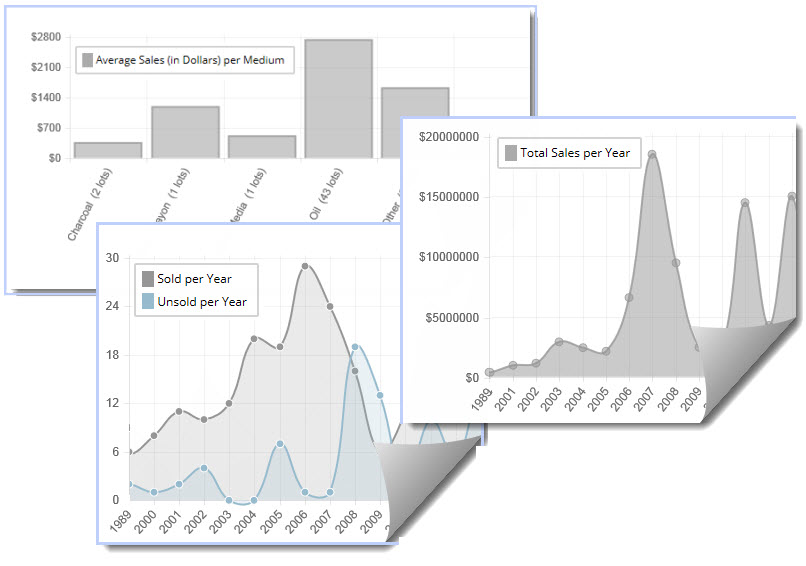
Guanpeng Ding PRICE CHARTS
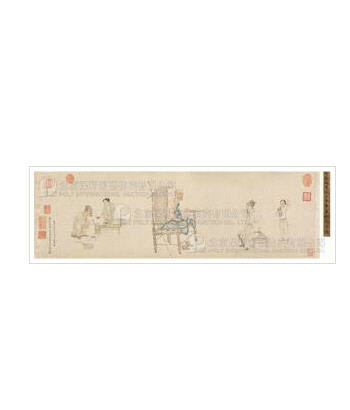
1736 Ding Guanpeng was a native of Beijing, China. - 1795. Known for: Ding Guanpeng was known for his neat and meticulous painting style, which included figures, Taoist interpretations, landscapes, and portraits. He was also influenced by European paintings..
Ding Guanpeng was an ancient treasure of the emperor of Wufu and Five Dynasties who was active in the 18th century AD. He entered the court in the fourth year of Yongzheng and became a worship... Read full biography
Ding Guanpeng was an ancient treasure of the emperor of Wufu and Five Dynasties who was active in the 18th century AD. He entered the court in the fourth year of Yongzheng and became a worship artist. Ding Guanpeng was a native of Beijing, China, and was known for his neat and meticulous painting... Read full biography
Ding Guanpeng was an ancient treasure of the emperor of Wufu and Five Dynasties who was active in the 18th century AD. He entered the court in the fourth year of Yongzheng and became a worship artist. Ding Guanpeng was a native of Beijing, China, and was known for his neat and meticulous painting style, which included figures, Taoist interpretations, landscapes, and portraits. He was also influenced by European paintings. His younger brother Ding Guanhe also worshipped the inner court.
Ding Guanpeng was an ancient treasure of the emperor of Wufu and Five Dynasties who was active in the 18th century AD. He entered the court in the fourth year of Yongzheng and became a worship artist. Ding Guanpeng was a native of Beijing, China, and was known for his neat and meticulous painting style, which included figures, Taoist interpretations, landscapes, and portraits. He was also influenced by European paintings. His younger brother Ding Guanhe also worshipped the inner court.
Ding Guanpeng was an ancient treasure of the emperor of Wufu and Five Dynasties who was active in the 18th century AD. He entered the court in the fourth year of Yongzheng and became a worship artist. Ding Guanpeng was a native of Beijing, China, and was known for his neat and meticulous painting style, which included figures, Taoist interpretations, landscapes, and portraits. He was also influenced by European paintings. His younger brother Ding Guanhe also worshipped the inner court.