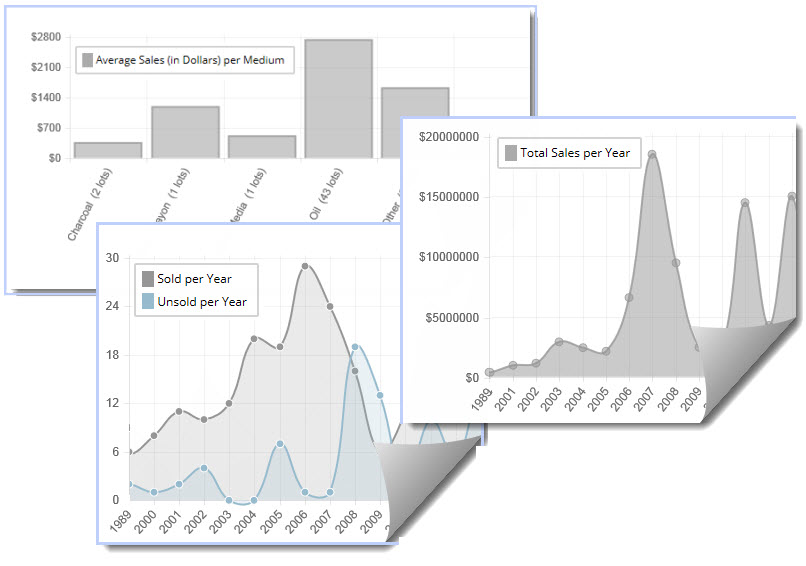
Herbert Zangs PRICE CHARTS
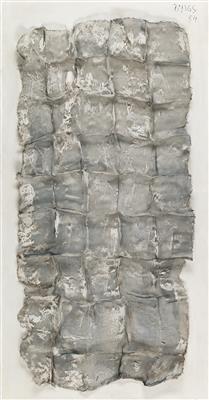
1924 Krefeld, Germany - 2003 Krefeld, Germany. Known for: Experimental abstract painting, including his signature “white-paintings” and object assemblages.
Herbert Zangs was born in 1924 in Krefeld, Germany, and became one of the most distinctive experimental painters of the postwar period. Zangs studied at the Kunstakademie Düsseldorf, where he... Read full biography
Herbert Zangs was born in 1924 in Krefeld, Germany, and became one of the most distinctive experimental painters of the postwar period. Zangs studied at the Kunstakademie Düsseldorf, where he developed an early interest in material transformation, surface manipulation, and the expressive potential... Read full biography
Herbert Zangs was born in 1924 in Krefeld, Germany, and became one of the most distinctive experimental painters of the postwar period. Zangs studied at the Kunstakademie Düsseldorf, where he developed an early interest in material transformation, surface manipulation, and the expressive potential of reduction. His artistic language emerged in the aftermath of World War II, shaped by a desire to rebuild visual order from the debris of destruction. Zangs is best known for his Weiße Bilder... Read full biography
Herbert Zangs was born in 1924 in Krefeld, Germany, and became one of the most distinctive experimental painters of the postwar period. Zangs studied at the Kunstakademie Düsseldorf, where he developed an early interest in material transformation, surface manipulation, and the expressive potential of reduction. His artistic language emerged in the aftermath of World War II, shaped by a desire to rebuild visual order from the debris of destruction. Zangs is best known for his Weiße Bilder (“white-paintings”), a series in which he applied white paint over found materials, objects, and relief-like surfaces. These works exemplify his ability to create tension between concealment and revelation, using whiteness as both a unifying skin and a... Read full biography
Herbert Zangs was born in 1924 in Krefeld, Germany, and became one of the most distinctive experimental painters of the postwar period. Zangs studied at the Kunstakademie Düsseldorf, where he developed an early interest in material transformation, surface manipulation, and the expressive potential of reduction. His artistic language emerged in the aftermath of World War II, shaped by a desire to rebuild visual order from the debris of destruction. Zangs is best known for his Weiße Bilder (“white-paintings”), a series in which he applied white paint over found materials, objects, and relief-like surfaces. These works exemplify his ability to create tension between concealment and revelation, using whiteness as both a unifying skin and a disruptive force. Alongside these, Zangs produced object assemblages, folded papers, and structured compositions that reflect his ongoing fasci... Read full biography