Imre Amos PRICE CHARTS
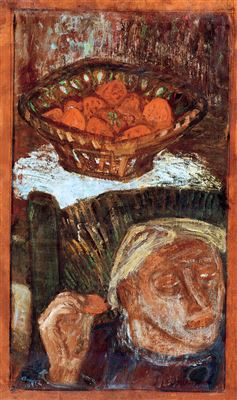
1907 Nagykálló, Hungary - 1944. Known for: Visionary, symbol-driven painting.
Imre Ámos was born in 1907 in Nagykálló, Hungary, and died in 1944 in a forced-labour camp during the Second World War. He came to the Hungarian Academy of Fine Arts in 1929 after completing earlier... Read full biography
Imre Ámos was born in 1907 in Nagykálló, Hungary, and died in 1944 in a forced-labour camp during the Second World War. He came to the Hungarian Academy of Fine Arts in 1929 after completing earlier studies at the Technical University. Ámos was a versatile and introspective talent whose interests... Read full biography
Imre Ámos was born in 1907 in Nagykálló, Hungary, and died in 1944 in a forced-labour camp during the Second World War. He came to the Hungarian Academy of Fine Arts in 1929 after completing earlier studies at the Technical University. Ámos was a versatile and introspective talent whose interests extended beyond painting to include music and poetry. In the early 1930s, he changed his surname from Ungár to Ámos, a reference to the biblical prophet, reflecting his growing awareness of identity... Read full biography
Imre Ámos was born in 1907 in Nagykálló, Hungary, and died in 1944 in a forced-labour camp during the Second World War. He came to the Hungarian Academy of Fine Arts in 1929 after completing earlier studies at the Technical University. Ámos was a versatile and introspective talent whose interests extended beyond painting to include music and poetry. In the early 1930s, he changed his surname from Ungár to Ámos, a reference to the biblical prophet, reflecting his growing awareness of identity and the symbolic themes that would become central to his work. In 1935, Ámos married the painter Margit Anna, and their close artistic and personal partnership is memorialised in many of his poems and paintings. At the invitation of Lajos Vajda, the... Read full biography
Imre Ámos was born in 1907 in Nagykálló, Hungary, and died in 1944 in a forced-labour camp during the Second World War. He came to the Hungarian Academy of Fine Arts in 1929 after completing earlier studies at the Technical University. Ámos was a versatile and introspective talent whose interests extended beyond painting to include music and poetry. In the early 1930s, he changed his surname from Ungár to Ámos, a reference to the biblical prophet, reflecting his growing awareness of identity and the symbolic themes that would become central to his work. In 1935, Ámos married the painter Margit Anna, and their close artistic and personal partnership is memorialised in many of his poems and paintings. At the invitation of Lajos Vajda, the couple first visited Szentendre in the summer of 1937 and returned regularly to paint there, finding in the town a setting that resonated with... Read full biography